




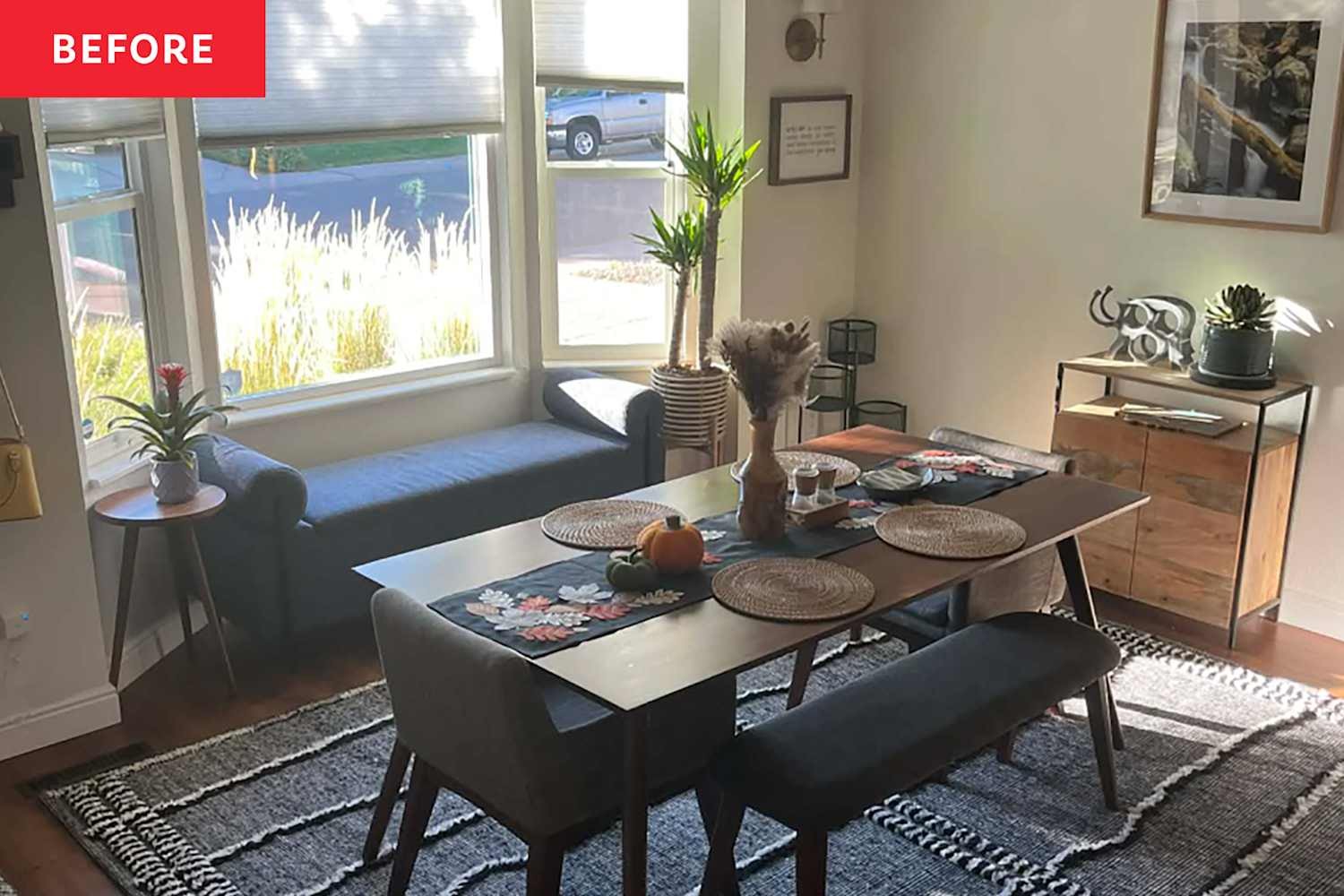
Many homeowners struggle with cramped, dark dining rooms, often resorting to expensive renovations. However, simple adjustments can drastically improve a space’s feel – and two interior designers proved it. After submitting photos of a cluttered dining room, they provided actionable advice for brighter, calmer interiors without major overhauls.
The core lesson? Less is often more. The experts consistently emphasized editing clutter, scaling up key elements, and prioritizing intentionality over sheer volume of décor. Here’s a breakdown of their recommendations:
The Problem with Too Much Stuff
Both designers immediately pointed to visual clutter as the primary issue. Small accessories, undersized artwork, and unnecessary furniture compete for attention, making the room feel busy and smaller than it is.
According to Cathy Hobbs, a home staging expert, “Too many small elements can be just as detrimental as oversized furniture.” The solution? A ruthless edit: remove anything that doesn’t add significant value.
Key Changes for Maximum Impact
The designers’ advice can be broken down into eight main areas:
- Larger Furniture: Replace small sideboards with a substantial credenza to anchor the room.
- Scaled-Up Art: Swap tiny artwork for one large piece or a cohesive gallery wall, covering roughly 70% of the credenza’s width.
- Declutter Visual Space: Eliminate competing décor. Let focal points like sconces stand alone rather than fighting for attention.
- Streamlined Tablescapes: Ditch the clutter and opt for one large, sculptural centerpiece.
- Simplified Bench Area: Remove unnecessary tables and plants; add a few cohesive pillows instead.
- Vertical Greenery: Introduce a tall, dramatic plant (around 10 feet) to draw the eye upward and balance the room’s height.
- Statement Lighting: Install an eye-catching pendant light over the dining table to ground the space.
- Rethinking Rugs: Replace the current rug with a slightly smaller, lighter-colored option to brighten the room.
Why This Matters: Beyond Aesthetics
The advice isn’t just about making a room look better; it’s about understanding how spatial psychology works. Clutter creates visual stress, while intentional design promotes calm. By focusing on fewer, larger elements, the room feels more balanced and inviting.
This also highlights a broader trend: the rise of minimalist interior design and the growing recognition that quality over quantity matters. Many homeowners are realizing that a curated space is far more appealing than a crowded one.
The experts’ suggestions were then rendered by ChatGPT, proving how impactful these small changes can be. The result is a brighter, more open dining room that feels both elevated and inviting without the need for expensive renovations.
Ultimately, the key takeaway is clear: transforming a space isn’t always about adding more – it’s about editing strategically and letting the right elements shine.