





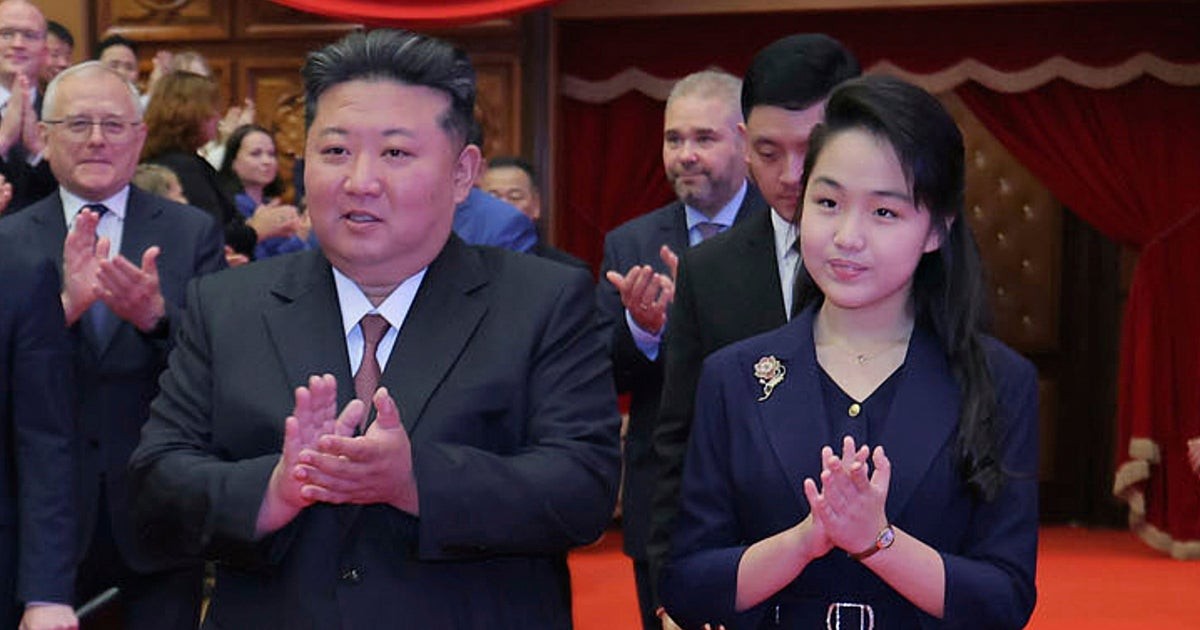
South Korea’s intelligence agency assesses that Kim Jong Un is actively positioning his teenage daughter, believed to be Kim Ju Ae, as his successor, marking a potential shift in North Korea’s dynastic rule. The move comes ahead of a major ruling party congress later this month, where Kim is expected to outline future policies and solidify his authoritarian control.
Зміст
Rising Prominence of Kim Ju Ae
Since her first public appearance at a missile test in November 2022, Kim Ju Ae has become increasingly visible in state media alongside her father. She has attended weapons demonstrations, military parades, and factory openings, culminating in a highly symbolic visit to the Kumsusan Palace of the Sun—the mausoleum housing the remains of North Korea’s founding leaders. This visit, along with her presence at a summit with Xi Jinping in Beijing, is viewed as a clear signal of her intended future role.
Intelligence Assessment and Shift in Language
South Korean intelligence officials now describe Kim Ju Ae as being at the “successor-designate stage,” a significant shift from previous assessments that labeled her as merely undergoing “successor training.” This change reflects her growing involvement in high-profile military events and, reportedly, Kim Jong Un seeking her input on policy matters.
The Kim Dynasty: A Tradition of Male Leadership
North Korea has been ruled by male members of the Kim family since its founding in 1948. Kim Il Sung, followed by his son Kim Jong Il, established a hereditary system that Kim Jong Un is now preparing to continue. His own succession was expedited following his father’s stroke in 2010, and he assumed power abruptly after Kim Jong Il’s death in 2011.
Uncertainty and Potential Pathways
While her name, reportedly Kim Ju Ae, has not been officially confirmed by North Korean state media, her increased visibility suggests a deliberate effort to build a narrative around her legitimacy. Some analysts speculate that Kim Jong Un may use the upcoming party congress to formalize her position—possibly by granting her the No. 2 party role of first secretary. However, given her age, any immediate announcement may be subtle, such as praising North Korea’s longevity through “successful inheritance of the revolution.”
The Future of North Korea’s Leadership
Kim Jong Un’s move to promote his daughter early may stem from his own experience of being thrust into power with limited preparation. The party congress will be closely monitored for signs of official succession planning, but the actual transition may be gradual and less overt.
The shift towards designating Kim Ju Ae as successor suggests a continued commitment to dynastic rule in North Korea, despite historical norms and the country’s conservative culture. Her growing prominence underscores Kim Jong Un’s intent to ensure a smooth transfer of power, though the exact method remains uncertain.