






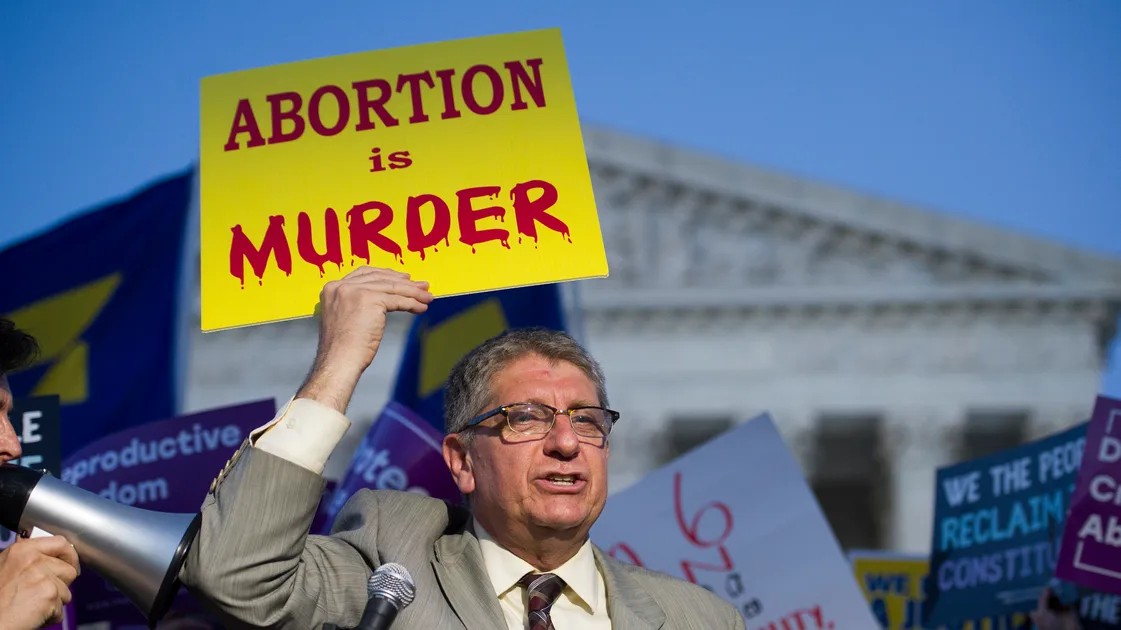
Abortion clinics nationwide are preparing for a surge in harassment and potential violence, spurred by emboldened extremist groups and perceived weakening of federal protections. A security alert issued by the national network of abortion providers warns facilities in the Washington, D.C. area of planned unrest linked to Rescue Resurrection, an anti-abortion organization intending to protest outside the Health and Human Services building this week.
The group’s protest aims to pressure the Trump administration to further restrict access to medication abortion, particularly the drug mifepristone, which has become a focal point of Republican opposition since the overturning of Roe v. Wade. Access to the medication has increased dramatically since the Supreme Court decision.
Rescue Resurrection’s founder, Randall Terry, previously known for his involvement in violent anti-abortion tactics in the 1980s and 90s, is openly encouraging followers to engage in civil disobedience and arrests. The group briefly planned coordinated attacks on clinics nationwide before scaling back to the D.C. protest, but the intent remains clear: to escalate direct action against abortion providers.
A Shift in Federal Protection: The current climate is more dangerous because of recent policy changes. The Trump administration has limited enforcement of the FACE Act, a federal law designed to protect abortion clinics and patients from violence, and pardoned individuals convicted under it. This move has emboldened extremists who now feel less restrained by federal oversight.
According to the National Abortion Federation (NAF), incidents of clinic obstruction have risen by over 500% since 2022, stalking of staff by 900%, and bomb threats by 133%. The group has issued regional alerts to clinics in D.C., Virginia, and Maryland, preparing for potential blockades and increased harassment.
Some providers are considering temporarily suspending in-clinic services on the anniversary of Roe v. Wade to protect patients and staff. The situation is compounded by the growing disconnect between law enforcement and clinics, with providers reporting difficulty even getting basic contact from the FBI for security concerns.
Growing Dissatisfaction Within the Anti-Abortion Movement: Rescue Resurrection’s actions also signal dissatisfaction within the anti-abortion movement itself. The group’s protest outside HHS is a direct message to the Trump administration, criticizing perceived slow action on restricting abortion pill access. Some hardline groups are even calling for the removal of Food and Drug Commissioner Marty Makary and HHS Secretary Robert F. Kennedy Jr. over delays in a safety assessment of mifepristone.
The convergence of these factors—weakened federal protections, emboldened extremists, and internal divisions within the anti-abortion movement—creates what NAF CEO Brittany Fonteno calls a “perfect storm” for those working in abortion care. The increased violence is not just a threat but a clear indication that the conflict over abortion access is escalating beyond legal and political battles into direct, physical confrontation.
This environment is not merely a continuation of past patterns; it represents a deliberate shift toward more aggressive tactics, fueled by political signals and a perceived lack of consequences for those who target abortion providers.