






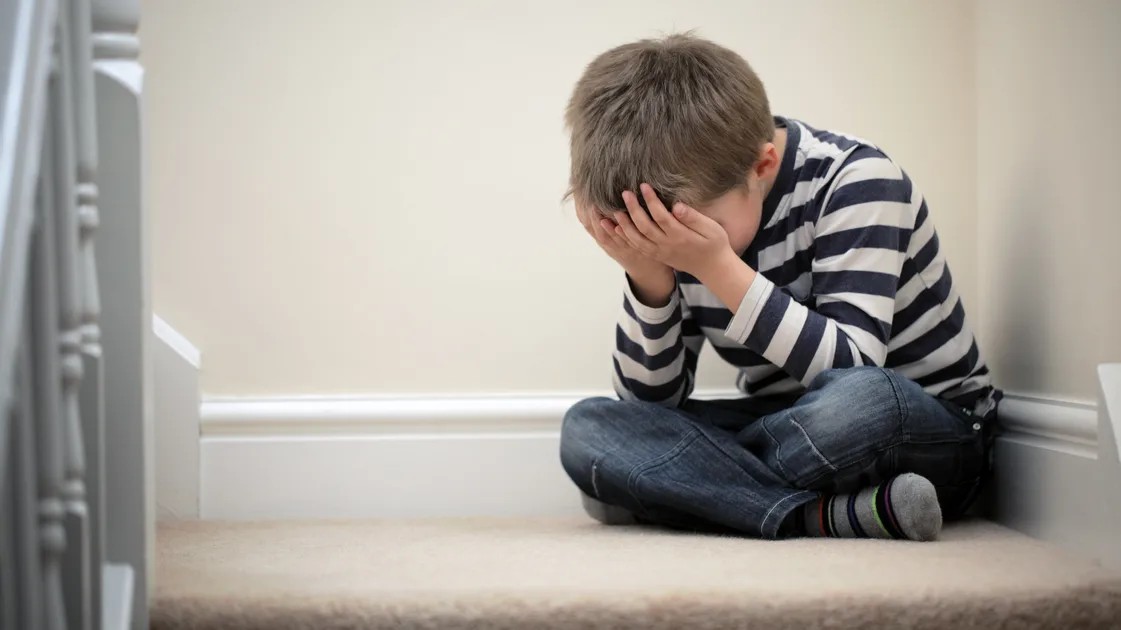
For many parents of boys, the topic of anger carries a heavy weight. Driven by headlines regarding societal violence and the complex pressures placed on masculinity, there is often an underlying fear: Am I raising an angry young man?
While it is a misconception that boys are inherently more prone to rage, research and psychological observations suggest that gender can influence how emotions are expressed. Understanding these nuances is the first step in helping children navigate their emotions without becoming overwhelmed by them.
Understanding the Gender Nuance: External vs. Internal
It is important to note that emotions are not strictly gendered, and men do not necessarily experience more anger than women. However, psychologists often observe a distinction in how distress is channeled:
- Externalization: Boys are statistically more likely to direct anger outward, which can manifest as verbal or physical aggression.
- Internalization: Girls are more likely to direct frustration inward, which can lead to self-blame or depression.
Recognizing this “externalizing” tendency doesn’t mean accepting aggression; rather, it means preparing to teach boys how to process the energy they release when they lash out.
Practical Strategies for Parents
Helping a child manage anger is a developmental process, much like teaching them to read or solve math problems. It requires consistent tools and modeling.
1. Help Them Label the Emotion
You cannot solve a problem you cannot identify. Many children—and even many adults—struggle to pinpoint exactly what they are feeling.
- For younger children: Use descriptive, empathetic language. Instead of judging the behavior, describe the physical sensation: “It looks like your body is feeling very frustrated because I said no.”
- For older children and teens: Avoid being patronizing. Instead, use yourself as a bridge: “If I were in your shoes, I’d probably feel pretty mad. Can you walk me through what’s happening for you?”
The goal is to move the emotion from a vague, overwhelming sensation to a defined concept that can be discussed.
2. The Power of Soothing
When a child is in the middle of an outburst, they are often in a “fight-or-flight” state, fueled by adrenaline and a racing heart. At this moment, they often lack the neurological ability to calm themselves down.
Rather than simply walking away or ignoring the outburst, experts suggest active soothing. By remaining calm and compassionate, you model how to handle high-stress situations. This teaches them that anger is a valid feeling, even if the behavior resulting from it is not.
3. Distinguish Between Feelings and Actions
A critical distinction must be made to prevent “soothing” from turning into “permissiveness.” A vital rule for parenting boys through anger is:
“You can feel whatever you want to feel, but you can’t always do whatever you want to do.”
While the feeling of anger is valid and should be accepted, aggressive behavior must have clear, consistent consequences. Whether it is a brief time-out or the loss of a privilege, consequences teach children that while their emotions are legitimate, their actions are their responsibility.
When to Seek Professional Help
While occasional outbursts are a normal part of development, parents should monitor the frequency, duration, and intensity of the anger.
You should consider consulting a pediatrician or a mental health professional if:
* The anger occurs on a near-daily basis.
* The aggression is intense or poses a safety risk.
* The behavior is consistent across different environments (e.g., happening both at home and at school).
Summary: The goal of managing a child’s anger is not to suppress the emotion, but to provide the emotional literacy and self-regulation tools necessary to express those feelings safely and constructively.