




The escalating frequency of extreme environmental events, such as wildfires, combined with chronic exposure to everyday toxins, poses a growing threat to women’s reproductive health. While wildfires dominate headlines, a wider range of pollutants and stressors silently impact fertility and pregnancy outcomes. Research now shows that women face heightened risks at every stage—from preconception through pregnancy—and marginalized communities are disproportionately vulnerable. This article synthesizes recent findings on how environmental exposures affect reproductive health, offering practical steps for mitigation and highlighting gaps in current research.
Зміст
Wildfire Smoke: A Direct Threat to Pregnancy
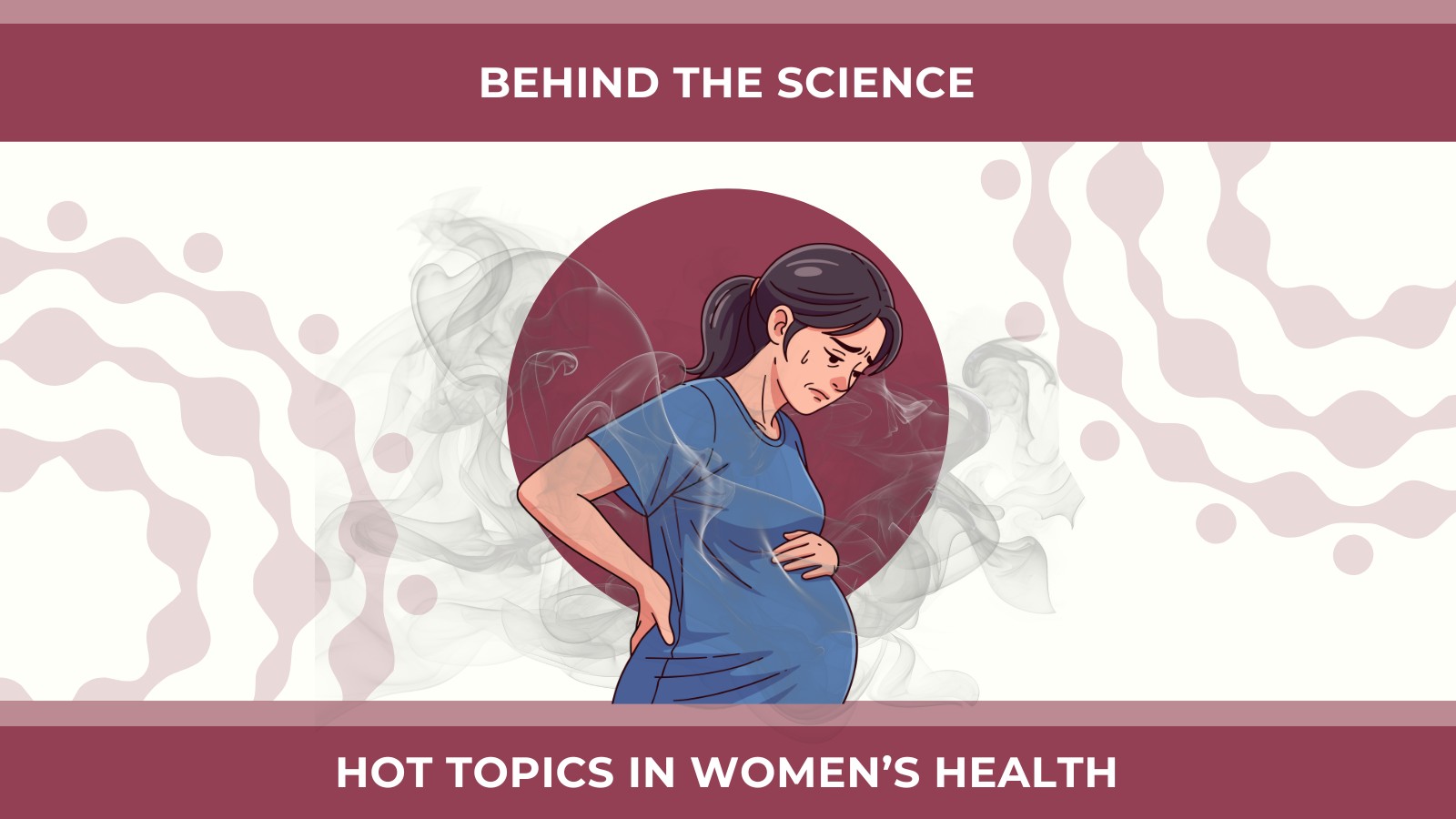
Wildfires are no longer isolated incidents but a recurring “new normal.” Scientific evidence confirms that wildfire smoke exposure during pregnancy significantly increases the risk of adverse outcomes. Smoke contains fine particulate matter (PM2.5) that penetrates deep into the lungs and bloodstream, causing systemic inflammation. This inflammation directly impacts the placenta, disrupting oxygen and nutrient delivery to the developing fetus.
Studies indicate that exposure during the second trimester carries the highest risk of preterm birth, with even small increases in smoke linked to a roughly 13% higher chance of premature delivery. Pregnant women are particularly vulnerable because their bodies are already under physiological strain, making them more susceptible to the harmful effects of pollutants.
Beyond Wildfires: Everyday Toxins and Reproductive Health
While wildfires receive attention, many insidious environmental toxins operate silently in daily life. Endocrine-disrupting chemicals (EDCs) are a major concern. These substances mimic or block hormones, interfering with normal reproductive processes. Common sources include:
- Bisphenol A (BPA): Found in canned food linings, plastics, and packaging.
- Phthalates: Present in cosmetics, soaps, and personal care products.
- Dioxins: Released from burning waste.
- Triclosan: In antibacterial ingredients.
Research links these exposures to infertility, endometriosis, miscarriage, and premature puberty. The cumulative effect of these low-level exposures is often underestimated but can have profound consequences.
Stress as an Overlooked Risk Factor
Beyond chemical toxins, chronic stress—especially following natural disasters—disrupts hormonal balance and negatively affects fertility. Elevated stress during pregnancy is associated with preterm birth, high blood pressure, fetal growth restriction, and gestational diabetes. This demonstrates how reproductive vulnerability is influenced by the combined effects of environmental and psychosocial stressors.
What Women Can Do to Protect Themselves
While eliminating exposure entirely is often impossible, practical steps can reduce risk:
- Stay Indoors: During high smoke or pollution events, prioritize indoor air quality.
- HEPA Filtration: Use high-efficiency particulate air (HEPA) filters to remove fine particles.
- Seal Environments: Keep windows and doors closed, and limit indoor pollutants (candles, gas stoves).
- N95 Respirators: Wear properly fitted N95 masks when outdoor exposure is unavoidable.
- Air Quality Monitoring: Utilize tools like the Air Quality Health Index and WeatherCAN to make informed decisions.
Science Gaps and Disparities
Despite progress, significant gaps remain in reproductive and environmental health research. Studies frequently fail to capture cumulative exposures or address the unique vulnerabilities of marginalized communities: low-income, racialized, rural, and migrant populations. Structural barriers—poor housing, job insecurity, limited healthcare access—exacerbate these disparities.
Women can advocate for their reproductive health by requesting screenings during antenatal appointments and demanding workplace accommodations (hydration, rest breaks) if exposed to toxins. However, systemic changes are needed to address the underlying inequities that amplify these risks.
Environmental and reproductive health are inextricably linked. Ignoring the cumulative impact of pollution, stress, and social vulnerability will only perpetuate disparities and undermine women’s well-being.
Addressing these issues requires a holistic approach: prioritizing clean air, reducing toxic exposures, and ensuring equitable access to healthcare. Only then can we safeguard reproductive health in a rapidly changing climate.