

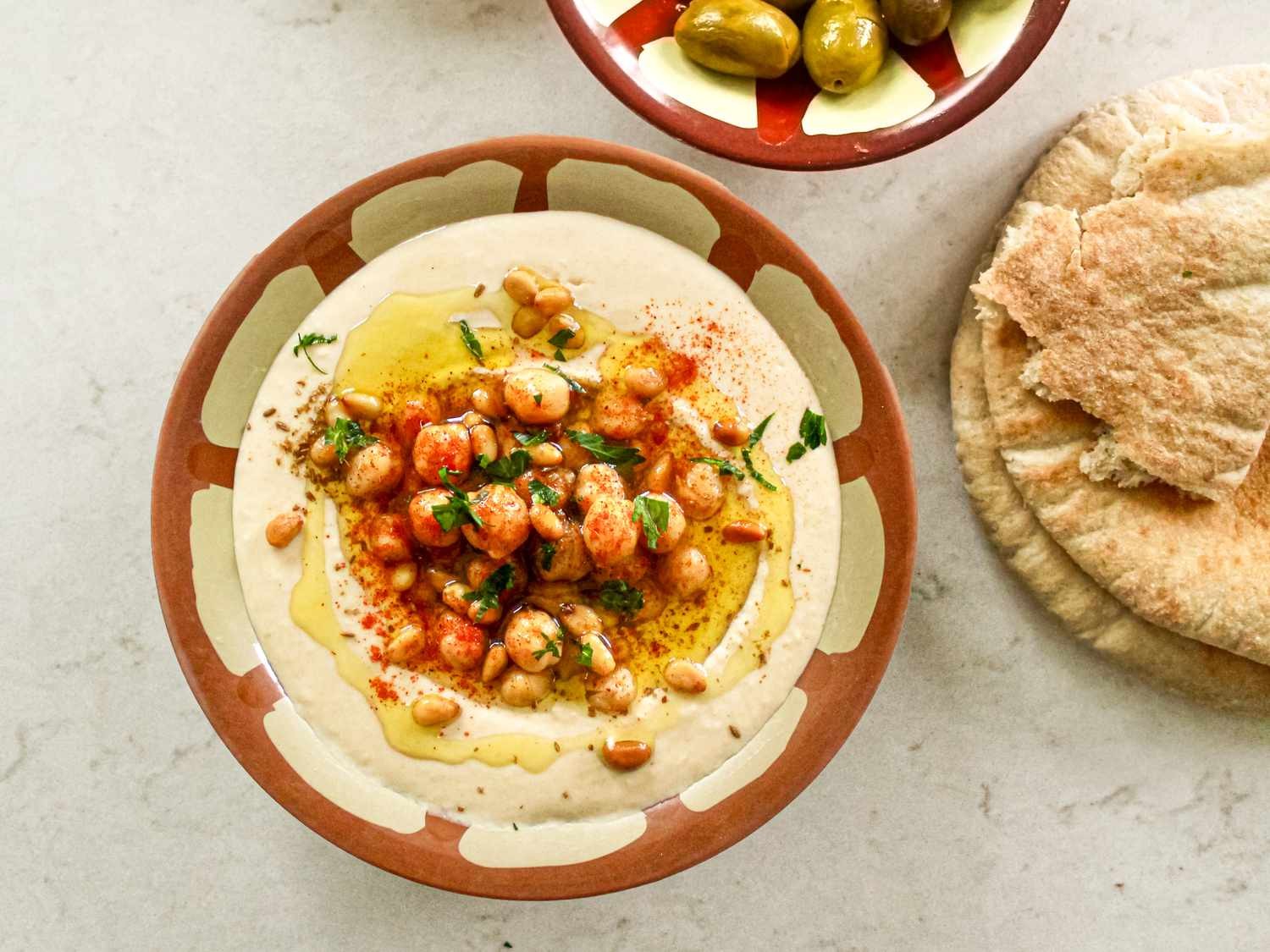
Hummus, the beloved chickpea-based spread, has become a subject of passionate debate. While countless recipes claim to hold the “best” method, the core principle remains simple: transform humble ingredients into a delicious and satisfying dish. This guide cuts through the noise, exploring the origins, essential components, and practical techniques for making exceptional hummus at home.
Зміст
The Origins of Hummus B’Tahini
The word “hummus” simply means “chickpea” in Arabic. The full designation for the spread we know today is hummus b’tahini – tahini hummus. This highlights the two key ingredients: chickpeas and tahini. The earliest written reference to tahini dates back to the 10th century in the Kitab al Tabikh, an Arabic cookbook from modern-day Baghdad. The text described “tahin al simsim,” or sesame paste, often spread on bread with dried meats. The term “tahini” itself comes from the Arabic root meaning “to grind,” reflecting its traditional preparation method.
Historically, tahini was also paired with honey or date syrup to aid digestion, and featured in baked goods. Today, tahini’s popularity is surging globally, fueled by its central role in Arab cuisine, particularly in the Levant region where it elevates dishes like hummus and halva.
The Importance of Tahini Quality
Tahini, made from ground sesame seeds, varies greatly depending on the seed type and processing. Hulled, roasted seeds yield a nuttier flavor, while unhulled seeds add a pleasant bitterness. Though some insist on Ethiopian sesame seeds due to their terroir, the milling process and freshness are more critical.
Prioritize quality: Avoid tahini with added oils, salts, emulsifiers, or flavorings, as these diminish the pure sesame taste. Lebanese or Palestinian tahini is often a reliable choice, offering a smooth texture. The best way to find your preference? Taste different brands – it should be enjoyable on its own, with no bitter or acidic aftertaste.
The Humble Chickpea
Chickpeas have been cultivated since at least 10,000 BCE in the Fertile Crescent. Their spread across the Middle East, South Asia, and beyond remains partly a mystery. Sometime in history, someone first combined tahini and chickpeas, with an early recipe appearing in a 13th-century Syrian cookbook. This recipe involved mashed chickpeas topped with a tahini-vinegar mixture, crushed walnuts, lemon juice, and spices.
Making Hummus at Home: Practical Tips
Many hesitate to make hummus at home due to perceived complexity. However, it’s entirely achievable with the right approach. The author suggests making hummus three times a week while sending kids to school, taking about ten minutes. The key? Using jarred chickpeas and skipping the food processor.
Key takeaways:
- Canned vs. Jarred: Jarred chickpeas are generally superior in texture and avoid the tinny aftertaste of some canned varieties.
- Cooking From Scratch: If using dried chickpeas, add baking soda to the cooking water to speed softening. Cook until falling apart for maximum silkiness.
- Skip the Food Processor: Blenders can struggle with thick mixtures, leading to soup-like consistency. Immersion blenders in smaller batches are more effective.
- Flavor Experimentation: Some prefer garlic, but it oxidizes quickly, leading to an unpleasant aroma. Simplicity can be key; lemon juice, salt, and generous tahini are often enough.
Freshness Matters
Hummus is best enjoyed fresh. In Jerusalem, vendors sometimes top hummus with a tart tahini-lemon sauce, but purists argue that the best hummus needs no distraction. The core of great hummus lies in its balance – not in elaborate additions, but in the quality of the ingredients and the skill to bring them together.
Ultimately, the best hummus is the one you enjoy most. The author’s advice is straightforward: prioritize fresh ingredients, simple techniques, and a willingness to experiment.
Hummus is more than just a recipe; it’s a cultural staple, a testament to how humble ingredients can create something extraordinary.