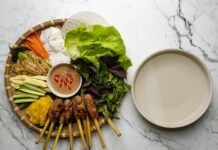



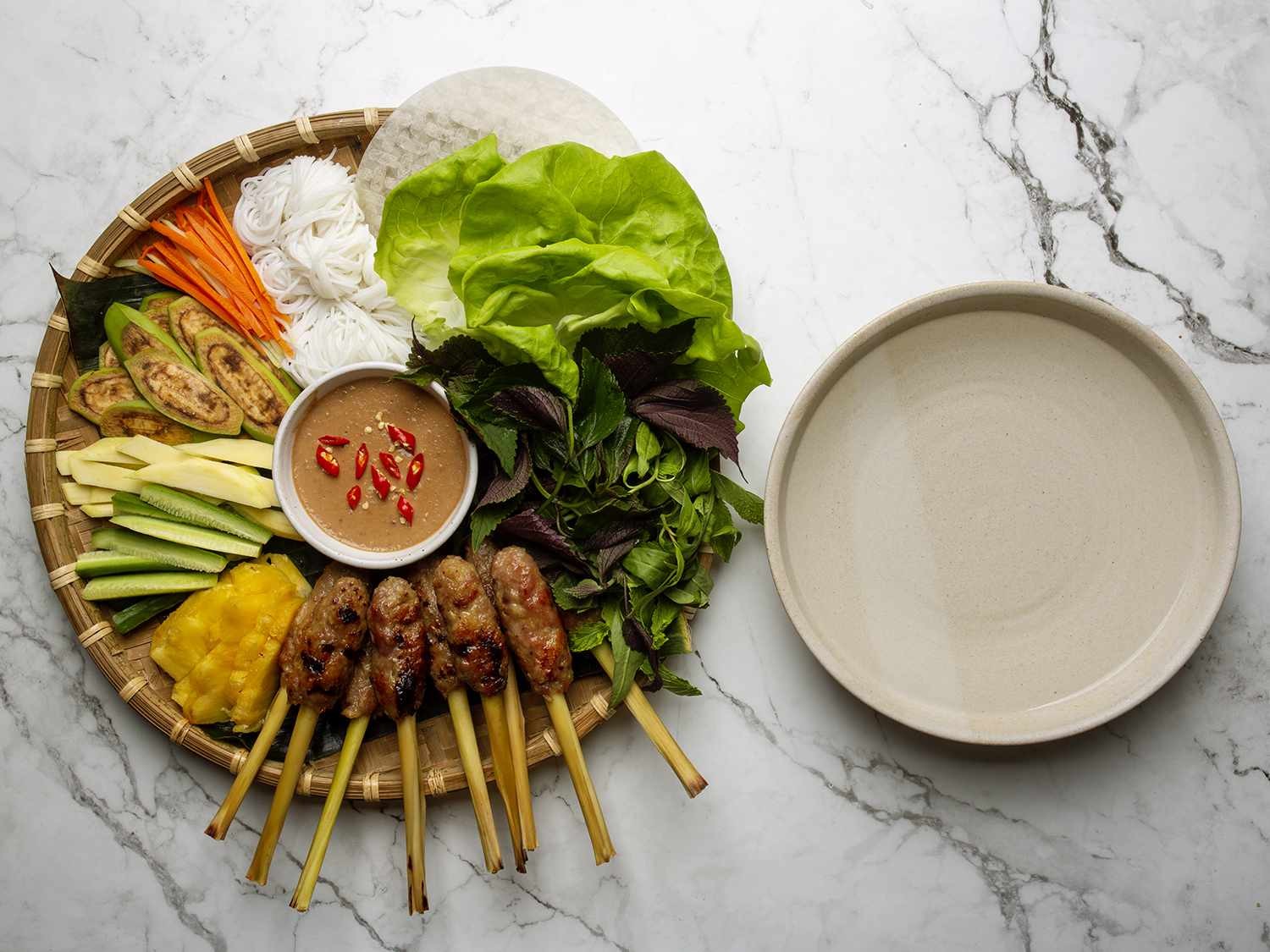
Vietnamese rice paper rolls, or gỏi cuốn, are more than just a meal—they’re a culinary representation of Vietnam’s diverse regional flavors and communal eating style. While phở and bánh mì often steal the spotlight, the rice roll platter embodies the country’s nuanced cuisine, blending fresh ingredients, contrasting textures, and bold dipping sauces into a customizable eating experience.
Why Rice Paper Rolls Matter
These rolls aren’t simply about assembling ingredients; they showcase Vietnam’s agricultural bounty and its emphasis on balance. The dish reflects a national love for rice, herbs, and vegetables, while also highlighting regional specialties like the Mekong Delta’s grilled snakehead fish rolls or Da Nang’s poached pork variations. Understanding this context elevates the meal beyond a simple recipe to a cultural expression.
Mastering the Components
Creating a perfect rice roll platter requires attention to detail. Experts agree that quality ingredients and proper preparation are key. Helen Le, a Vietnamese recipe creator, emphasizes the importance of balance: “Carbs from the rice paper and vermicelli, protein from fish, meat, or tofu, fresh herbs and vegetables… and a bold dipping sauce to tie it all together.”
The Rice Paper: Choosing Wisely
Rice paper production is labor-intensive, involving grinding rice into batter, steaming, drying, and imprinting with bamboo patterns. Avoid purely tapioca flour wrappers, which can tear easily. Instead, opt for rice flour or rice-tapioca blends. Look for brands like Three Ladies (Ba Cô Gái) or those with the red rose label. Dampen the paper gently—avoid soaking, as this makes it sticky and unusable. Rub the surface with a damp hand for 15–20 seconds until pliable.
Herbs and Vegetables: The Foundation of Flavor
Raw herbs and vegetables dominate the platter, offering freshness and crunch. Bibb lettuce, mustard greens, carrots, daikon, cucumber, banana blossoms, and lotus stems are common choices. Don’t overlook fruits like pineapple, green banana, and star fruit, or aromatic herbs like mint, cilantro, basil, perilla, and the uniquely flavored fish mint. The goal is a combination of floral, earthy, bitter, sour, and herbaceous notes to complement the protein and dipping sauce.
The Starch: Rice Vermicelli Done Right
In Vietnam, bún (rice vermicelli) is readily available and doesn’t need pre-cooking. However, dried versions in the US often require a 5-minute boil followed by a cold rinse to prevent clumping. Look for “bún tươi” (fresh noodle) on packaging, as this label ensures quality.
The Protein: Regional Variations
From poached pork (Da Nang) to grilled lemongrass pork (Huế) and snakehead fish (Mekong Delta), protein options are diverse. The meat is typically cooked with minimal seasoning to allow other flavors to shine. Street food vendors in Ho Chi Minh City often grill ground beef wrapped in betel leaves, while central coastal provinces serve steamed mackerel scad.
The Dipping Sauce: The Soul of the Roll
The sauce can make or break the experience. Mắm nêm (fermented fish sauce), used in Da Nang, is potent and briny, tempered with sugar, pineapple, garlic, and lemongrass. For a milder option, nước chấm (fish sauce-based sauce) is common, varying from sweet and bold in the South to lighter and vinegar-based in the North. Some prefer hoisin peanut sauce for lighter rolls, or elaborate meat sauces thickened with glutinous rice flour.
Assembling the Perfect Roll
Arrange ingredients on the table: herbs, protein, vermicelli, and dampened rice paper. Spraying water onto the rice paper is less messy than dunking. Place ingredients in the bottom third of the paper, leaving space on the sides. Fold the sides in, then roll tightly from the bottom up. Enjoy immediately.
In essence, Vietnamese rice paper rolls are a celebration of freshness, balance, and regional diversity. Mastering the art of assembly means understanding not just the ingredients but also the cultural context they represent.