





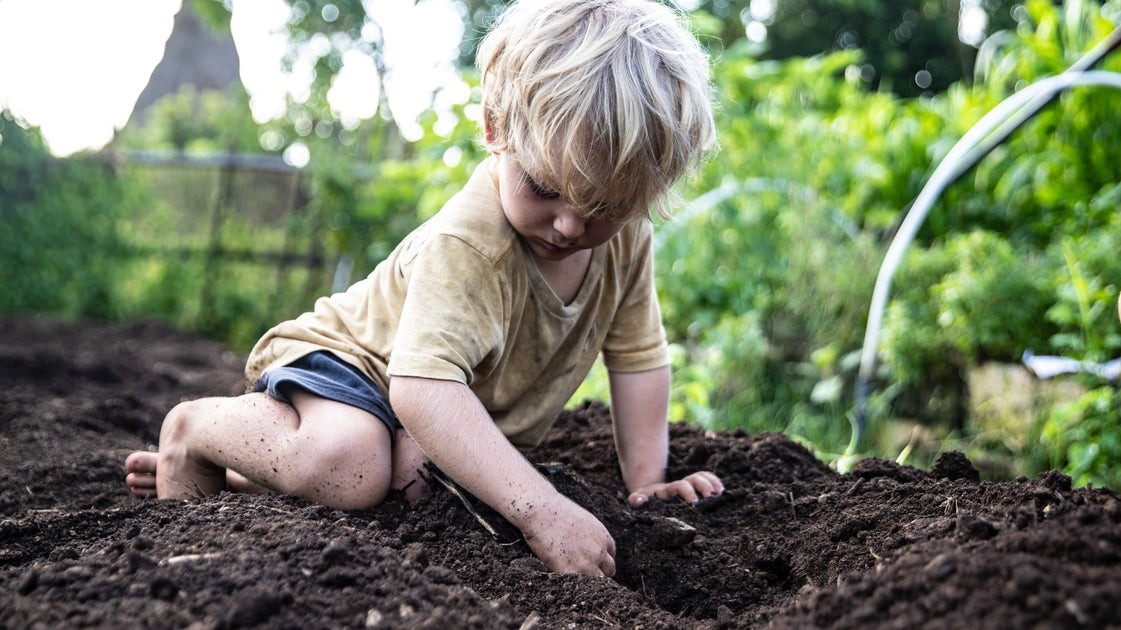
The internet is full of idyllic images: children learning through nature, cooking instead of science class, and living their way to knowledge. This is the core idea behind unschooling, a homeschooling method that throws out the curriculum and lets kids learn based on their own curiosity. But what does it really look like, and what happens when those kids grow up?
The debate around unschooling is fierce. Some see it as the purest form of child-led education, while others worry it’s simply neglect disguised as freedom. The truth, as with most things, lies in the nuance.
Зміст
From Isolation to Resilience: The Dark Side of Unschooling
For some, unschooling isn’t a choice, but a consequence of extreme isolation. Calvin Bagley, author of Hiding from the School Bus, grew up in a strict religious household where education was minimal at best. “We hid from the school bus every morning because we were told school was evil,” he recalls. His childhood wasn’t about freedom; it was about control and deprivation.
The result? Deep scars, but also unexpected resilience. Bagley found he developed a raw survival instinct. “When you have to figure everything out on your own, you either break or you fight.” College was brutal: “Every class felt like a new language I had to learn from scratch.” Still, the lack of formal schooling taught him resourcefulness. “It didn’t prepare me academically, but it made me resourceful. When you grow up having to make things work with nothing, you develop survival intelligence.”
Bagley wouldn’t repeat his experience. “My version wasn’t freedom, it was captivity.”
Freedom with a Foundation: A More Balanced Approach
Amanda Schenkenberger’s story is different. Her unschooling involved chores, ranch work, but also plenty of space for curiosity. She believes it fostered self-awareness. “Unschooling taught me how I learn best.”
The transition to high school wasn’t easy, though. “No one taught me how to write an essay or organize my thoughts clearly. That was a skill gap I had to overcome.” Despite this, she thrived in the workplace, where her work ethic stood out.
Now a homeschool coach, Schenkenberger advocates for a more structured approach: “We focus on math, language arts, science, and social studies. We give plenty of time for play… but we also prioritize writing and communication. It’s that balance – freedom with a foundation – that helps our homeschool thrive.”
Experts Weigh In: Curiosity, Structure, and Connection
Unschooling isn’t new. It has roots in the educational reforms of the 1960s and 70s, popularized by educator John Holt, who argued that children naturally learn if adults don’t interfere. Kirsten Horton, an educator with experience across different school models, explains: “Unschooling removes formal curriculum, allowing a child’s interest to guide learning.”
While it can spark motivation and independence, Horton warns that not every child thrives without structure. “Some may struggle with sustained effort or self-regulation.” The key is balance. “Children learn best when curiosity, structure, and connection coexist.”
What Research Shows (and Doesn’t)
Education researcher Curby Alexander notes that research on unschooling’s long-term effects is limited, but early findings are mixed. Studies suggest that 83% of unschooled respondents attend post-secondary school, often with advantages from self-direction and a hunger for learning.
Yet, Alexander isn’t convinced unschooling scales. “Perhaps it works because it involves a small number of people… It will always be an option for some families, but not for everyone.” He cites an example of a child who learned to read through Minecraft, proving that motivation drives learning when imposed restrictions are absent.
The Cultural Shift: Meaning and Flexibility in Education
Cindy Chanin, founder of Rainbow Education Consulting, believes the rise of unschooling reflects a broader cultural shift toward meaning and flexibility in education. “Unschooling is rooted in the belief that a child’s curiosity can be a compass.”
When supported thoughtfully, she argues, it can nurture intrinsic motivation. The key is intentionality. “The adults need to create an environment that supports autonomy without letting kids feel adrift.” Chanin sees unschooled students thriving in creative or entrepreneurial fields, comfortable forging unconventional paths.
Ultimately, she doesn’t advocate for or against unschooling outright. “It really depends on the child, the family, and the support system in place.”
As Bagley puts it, the difference between healthy freedom and harmful neglect comes down to one thing: care. “When they call for help from the top of a playground slide, someone comes running. That’s the difference between control and care.”