




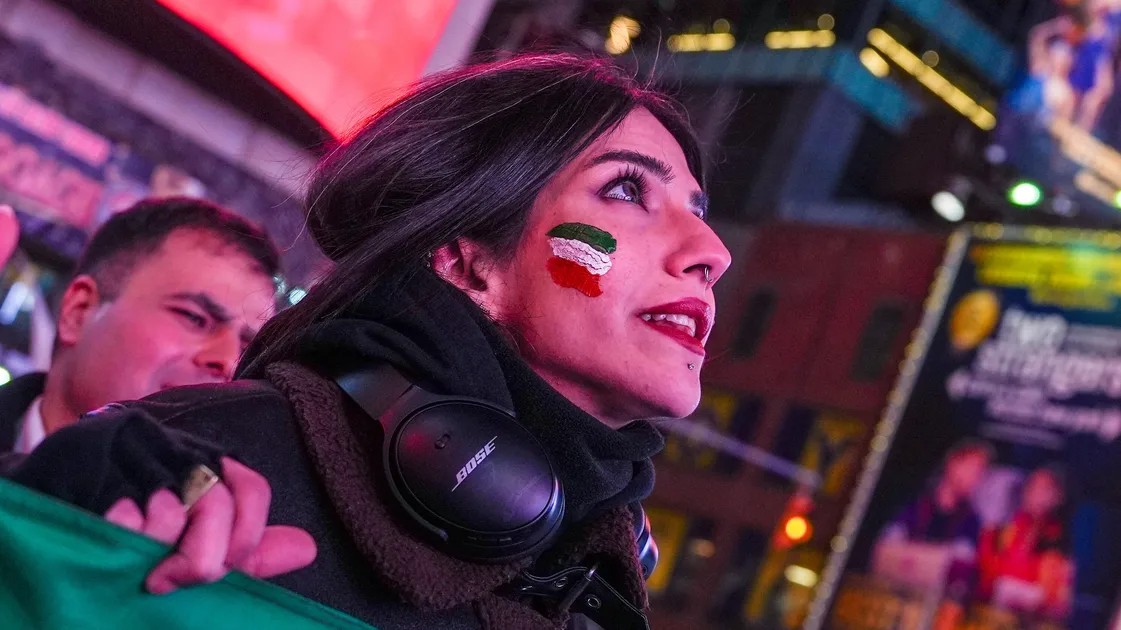
While global news cycles focus on the strategic implications of Middle Eastern conflicts, for the Iranian American diaspora, the news is not an abstract political debate—it is a source of profound personal anxiety. As tensions escalate and rhetoric from U.S. political leaders grows increasingly volatile, many in the community are feeling a sense of isolation and fear for their families back home.
Зміст
The Weight of Dehumanizing Rhetoric
Recent social media posts from former President Donald Trump have intensified the distress within the Iranian American community. His threats to “wipe out” Iran’s civilization or return the country to the “Stone Age” have been described by community members as deeply dehumanizing.
For those with roots in the region, this language does more than just signal potential military action; it attacks their heritage.
– Cultural Erasure: Rhetoric that suggests a nation “belongs” in a primitive state ignores Iran’s history as one of the world’s oldest continuous civilizations.
– Personal Impact: For many, these are not just political talking points but threats against the safety of parents, siblings, and extended families.
– The Human Element: As singer Maia Moham noted, such language reduces a complex, influential culture—defined by poetry, music, and hospitality—to a disposable political tool.
A Disconnect in Perception
There is a visible gap between how the American public views the conflict and how Iranian Americans experience it.
According to recent polling, many Americans view Middle Eastern instability through a lens of domestic impact: rising gas prices, threats to U.S. service members, or shifts in the energy market. While these are valid economic concerns, they often overshadow the human cost of war.
“To many Americans, it feels far away or complicated. But for Iranian Americans, it doesn’t feel abstract—it feels personal, cultural, and emotional.”
This disconnect creates a sense of “emotional seesawing.” While the news reports on ceasefires and potential oil disruptions, Iranian Americans are often more concerned with the basic survival of loved ones—such as the ability to send life-saving medication to family members in conflict zones.
The Plea for Solidarity
Despite the complexity of the political landscape, there is a simple request from those living in the diaspora. Many Iranian Americans report feeling abandoned by friends and peers who seem “checked out” of the news.
The community is not asking for political expertise, but for basic human connection. They suggest that even if you don’t know what to say, the following actions matter:
1. Reach out: Simply asking how a friend is faring can alleviate the feeling of isolation.
2. Show solidarity: Acknowledging the tragedy and the human suffering behind the headlines.
3. Acknowledge the distinction: Recognizing that the Iranian people, their culture, and their government are distinct entities.
The Complexity Within the Community
It is important to note that the Iranian American community is not a monolith. There are internal divisions regarding how to respond to the current regime and how much foreign intervention is appropriate. Some see hope in U.S. pressure to force political change, while others fear that military escalation will only devastate the civilian population they care about.
Conclusion
For Iranian Americans, the current geopolitical crisis is a deeply personal struggle that transcends politics. While the world watches the headlines for economic or strategic shifts, this community is simply asking for the empathy and solidarity of their neighbors.