


The buzz around the 2026 Winter Olympics is inspiring many to try ice skating, but starting out can be daunting. Rental skates are notoriously bad, and investing in your own pair early is the best way to avoid frustration and make progress. This guide breaks down what beginners need to know about choosing the right skates, from understanding blade types to boot stiffness.
Зміст
Hockey vs. Figure Skates: Which is Right for You?
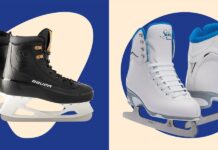
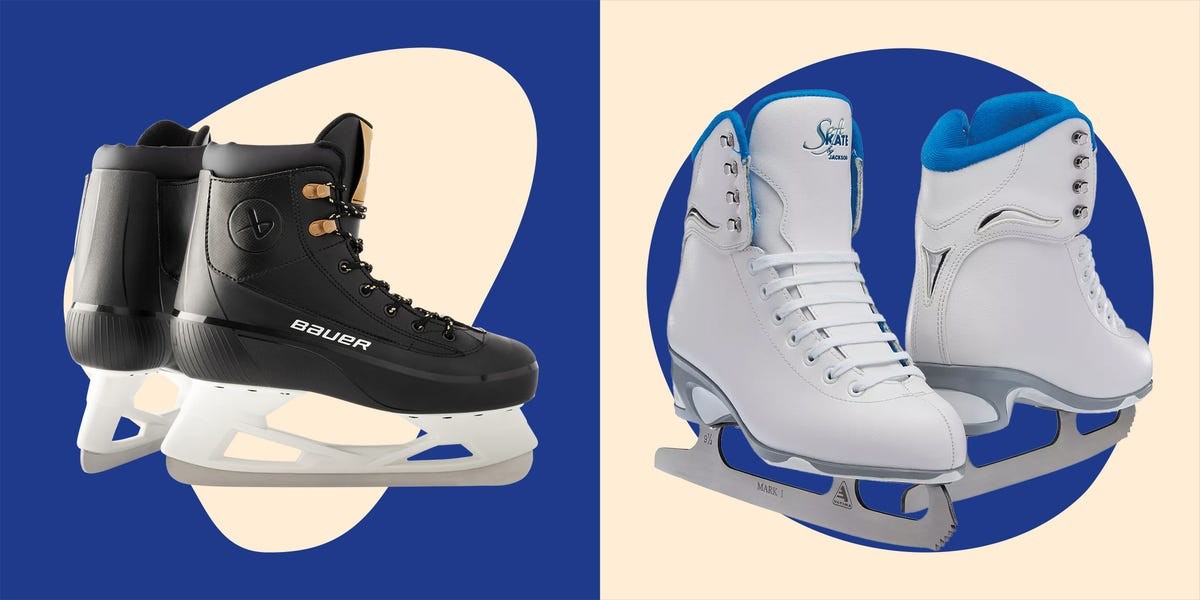
The first major decision is whether to go with hockey or figure skates. The key difference lies in the blades. Figure skates have longer blades with toe picks, essential for jumps and spins. Hockey skates have shorter, curved blades designed for quick turns and acceleration.
- Figure Skates: Taller, stiffer boots provide ankle support for jumps. Traditionally worn by female skaters in white and male skaters in black (though this is outdated).
- Hockey Skates: More flexible, padded for impact, allowing agility and speed.
The choice depends on your goals. If you’re intimidated by toe picks or prefer speed and stops, hockey skates might be better. But if you want elegant movements and turns, figure skates are the way to go. There is no right or wrong answer here : comfort and intention matter most.
Boot Stiffness: Finding the Balance
Beginners need to avoid extremes in boot stiffness. Overly stiff boots restrict movement, making it harder to learn balance and proper technique. Too-soft boots lack support, leading to wobbling and ankle strain.
- Ideal beginner boots: Offer enough stiffness for stability without sacrificing flexibility. This allows natural movement while preventing excessive ankle roll.
Recreational vs. Beginner Skates: What’s the Difference?
Most skate brands categorize models by skill level.
- Recreational/Lifestyle Skates: Designed for casual skaters (a few times a year). They are often stylish but offer little additional support.
- Beginner Skates: Provide more support and durability for regular practice, making them ideal for those who want to improve.
If you plan to learn crossovers, turns, or skating backward, invest in a beginner-level skate rather than a recreational model. It will last longer and provide the necessary support for progression.
Expert-Backed Recommendations
Years of experience—both skating and coaching—show that the right skates make all the difference. The most important thing is to try on skates whenever possible, and don’t be afraid to ask a skate fitter for help. If you plan on skating seriously (jumps, spins, competitive hockey), a pro shop fitting is essential. But for beginners, understanding the basics is a great first step.
Ultimately, the best skates are the ones you feel most comfortable in. Whether you’re gliding gracefully or speeding across the ice, the right equipment can make all the difference between wobbling and soaring.