
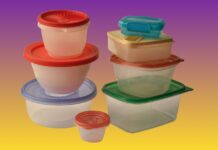



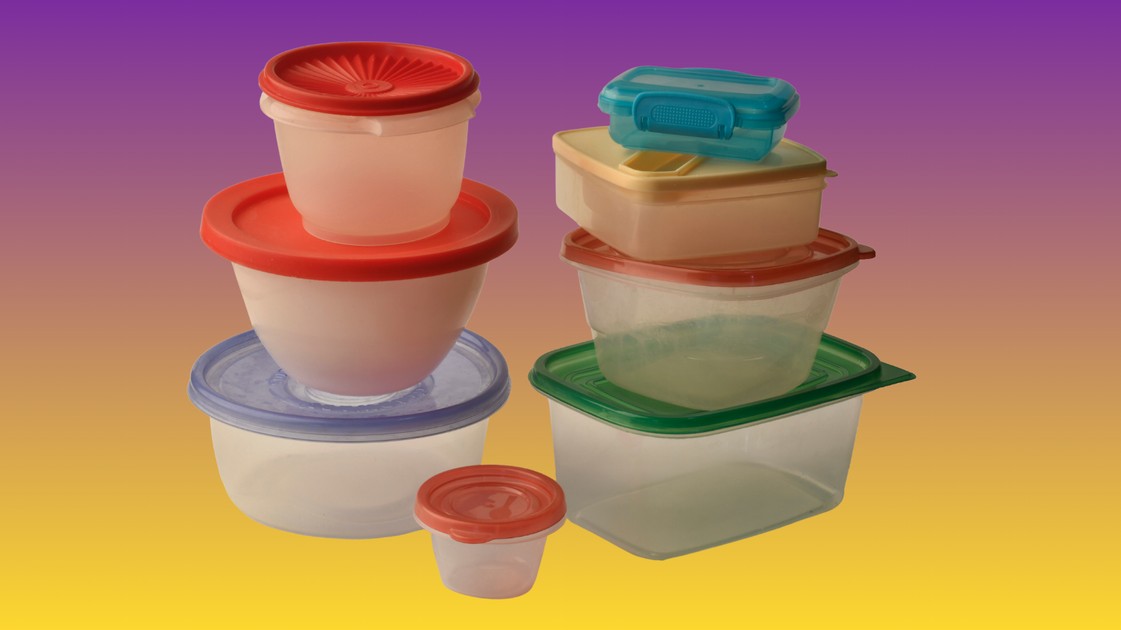
Most kitchens have a dedicated corner for “forever plastic”—a collection of mismatched lids and stained takeout tubs that have survived years of use. While it is tempting to keep reusing these containers to reduce waste, aging plastic presents significant food safety and chemical risks that are often invisible to the naked eye.
Зміст
The Science of Degradation: Why Old Plastic Becomes Unsafe
Plastic is not a permanent material; it is subject to continuous physical and chemical breakdown. According to Chamali Kodikara of the Institute of Food Technologists, factors such as heat, sunlight, mechanical wear, and repeated dishwasher cycles cause plastic to undergo “degradation.”
This degradation manifests in two primary ways:
- Microscopic Cracks: Over time, plastic develops tiny fissures. These cracks act as hiding spots for food particles and bacteria.
- Chemical Leaching: As the structure of the plastic breaks down, it can “shed” microplastics and hazardous additives—such as plasticizers or flame retardants—directly into your food.
The Invisible Threat: Biofilms and Pathogens
Beyond chemical concerns, there is a biological risk. Keith Warriner, a professor of food science at the University of Guelph, warns that scratches and worn seals can facilitate the growth of biofilms.
Biofilms are colonies of microorganisms that cling to surfaces. Because these colonies can nestle deep within microscopic cracks, they often survive standard washing and sanitizing cycles. This creates a persistent source of contamination, potentially harboring dangerous pathogens like Listeria monocytogenes, which is a leading cause of foodborne illness.
Common Habits That Accelerate Damage
How we interact with our containers can significantly shorten their safe lifespan. To minimize risk, experts suggest avoiding the following:
- Microwaving Single-Use Plastics: Takeout containers are often designed for one-time use. When heated in a microwave, these “disposable” plastics degrade much faster, increasing the release of microplastics and chemicals.
- Dishwasher Cycles: The high heat and intense water pressure of a dishwasher accelerate the physical breakdown of the plastic.
- Storing Hot Foods: Pouring steaming hot food directly into plastic can trigger immediate chemical migration. It is safer to let food cool before transferring it to a container.
- Storing Acidic or Fatty Foods: Certain foods are more “aggressive” toward plastic. Acidic items (like tomato sauce) and fatty substances (like mayonnaise) can dissolve or leach chemicals from the plastic more easily than other foods.
How to Audit Your Plasticware
If you are unsure whether to keep or discard a container, you can use the Resin Identification Codes (RIC) found on the bottom of most packaging. These numbers (1 through 7) indicate the type of resin used:
| Safety Level | Resin Codes | Common Types |
|---|---|---|
| Avoid | 3, 6, 7 | PVC, Polystyrene, and “Other” plastics |
| Safer Options | 1, 2, 4, 5 | PET, HDPE, LDPE, and Polypropylene |
Note: These codes indicate the material type, not necessarily how recyclable the item is.
Conclusion
While reusing plastic can be convenient, worn, scratched, or single-use containers pose real risks of chemical leaching and bacterial growth. To ensure food safety, consider transitioning to more durable, non-reactive materials like glass, ceramic, or stainless steel.