






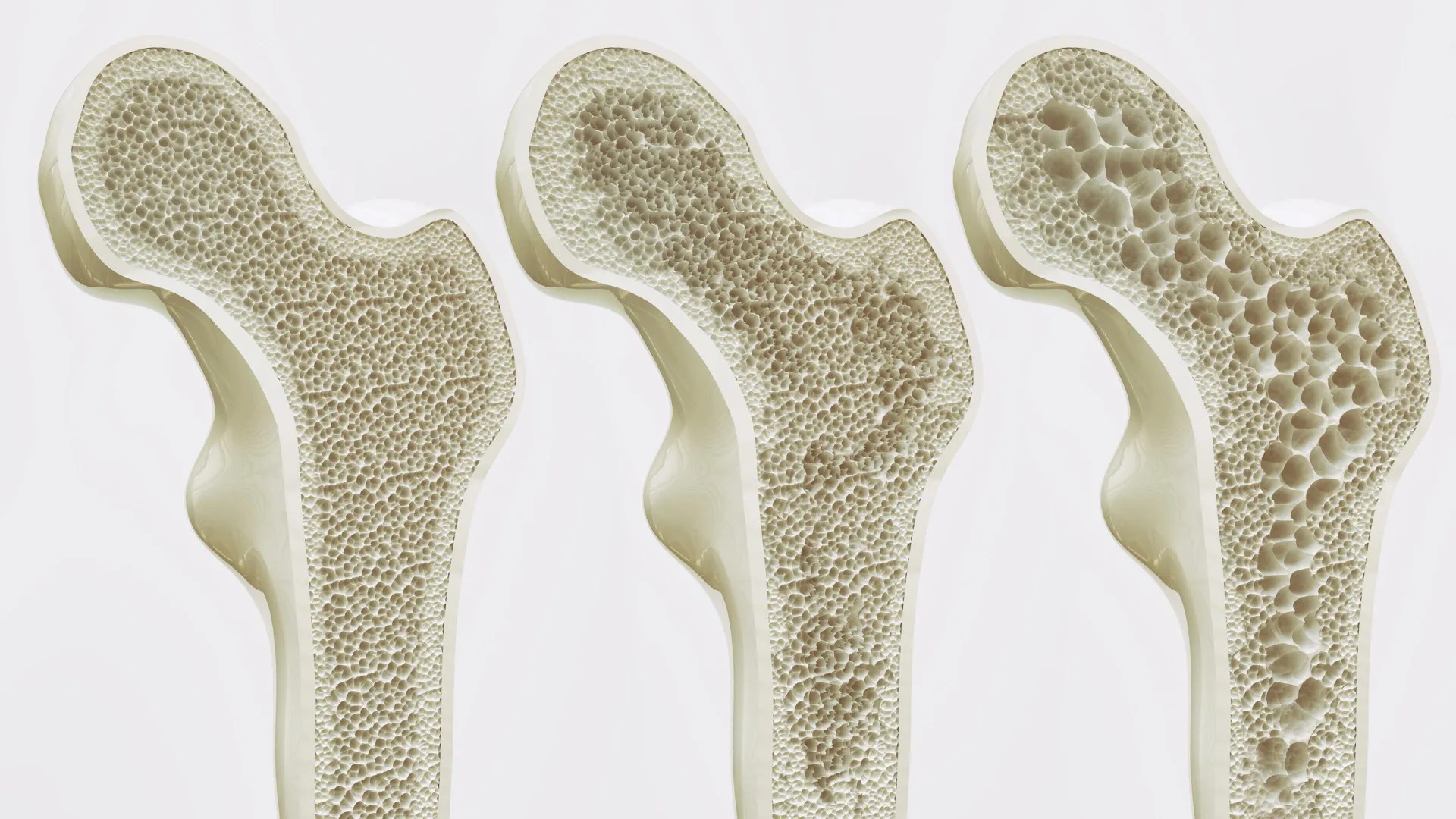
Researchers at Leipzig University have discovered a compound, AP503, that significantly increases bone strength in mice, offering a potential future treatment for osteoporosis and age-related bone loss. The study, published by the Rudolf Schönheimer Institute of Biochemistry, focuses on the GPR133 receptor, a previously understudied pathway critical to bone health.
How GPR133 Works and Why It Matters
GPR133 is activated by both mechanical stress (like exercise) and communication between bone cells. This activation promotes bone formation while suppressing bone breakdown, resulting in stronger, more resilient bones. The newly identified substance, AP503, effectively mimics this natural process.
This discovery is significant because osteoporosis affects millions worldwide, especially aging women, leading to increased fracture risk and reduced quality of life. The current treatments, while effective, often come with side effects or require invasive procedures.
Key Findings from the Study
The research team, led by Professor Ines Liebscher, found that mice with impaired GPR133 function showed early signs of bone density loss. Introducing AP503 reversed this effect in both healthy and osteoporotic mice.
“Using the substance AP503… we were able to significantly increase bone strength in both healthy and osteoporotic mice,” says Professor Liebscher.
This dual benefit—strengthening existing bone and rebuilding weakened bone—makes AP503 a promising candidate for future human trials.
Broader Implications for Aging Populations
This discovery builds upon earlier work showing AP503 also strengthens skeletal muscle. This suggests the GPR133 receptor may be a central regulator of tissue health, particularly in aging bodies. The Leipzig team is already investigating further medical applications, including treatment for age-related muscle decline.
Leipzig University is a global leader in G protein-coupled receptor research, having dedicated over a decade to studying these crucial signaling pathways.
In conclusion, the identification of AP503 as a GPR133 activator represents a major step toward developing new, effective treatments for bone loss and age-related frailty, offering hope for a future where stronger, healthier bones are within reach.