



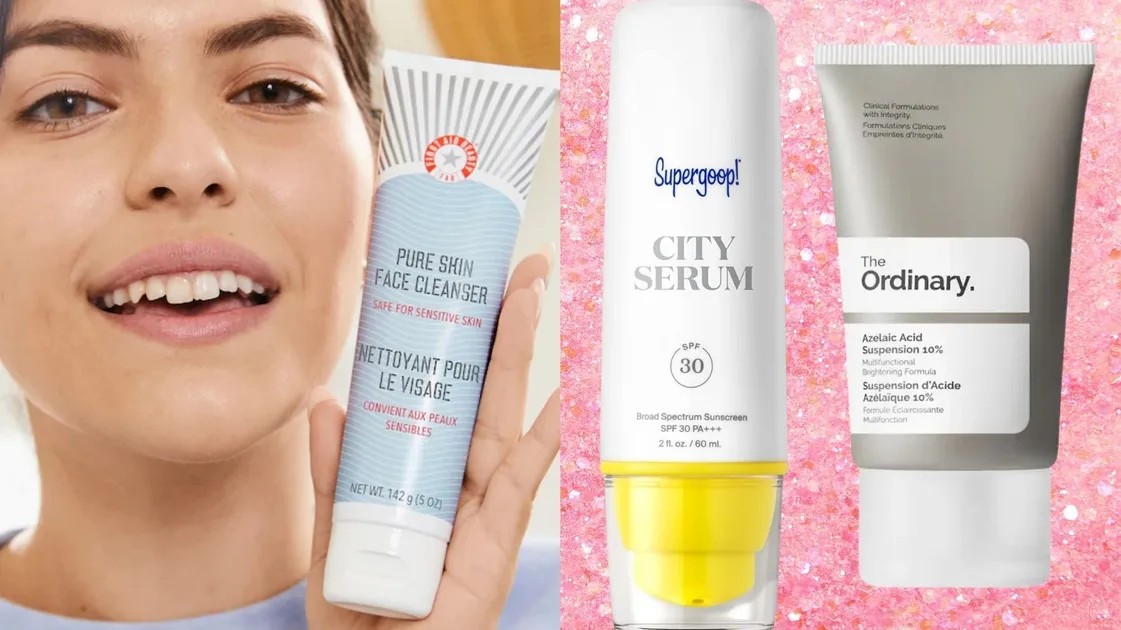
For years, millions struggle with rosacea, a chronic skin condition marked by redness, bumps, and unpredictable flare-ups. Unlike simple acne, there’s no one-size-fits-all solution. The challenge is compounded by conflicting advice, varying triggers, and the fact that even “rosacea-friendly” products can worsen symptoms for some. This isn’t just about vanity; untreated rosacea can significantly impact quality of life and mental health.
Зміст
The Frustration of Individualized Triggers
Rosacea isn’t a single disease. The causes are debated – from gut health to immune dysfunction to microscopic mites on the skin. What works for one person can be disastrous for another. Even widely recommended ingredients like niacinamide or salicylic acid can cause breakouts in sensitive individuals. Dermatologists emphasize keeping detailed logs of triggers, yet many sufferers find this process overwhelming. Why? Because the list of potential triggers is extensive: physical stress, topical irritants, emotional factors, weather changes, and even laundry detergents.
Lightweight Formulas: A Counterintuitive Approach
One surprising insight: many rosacea sufferers, including the author, find that lightweight, water-based products work better than heavy, occlusive creams often recommended for “compromised” skin barriers. Dr. Julie Harper, a leading dermatologist, explains this isn’t necessarily about the product itself, but when people use it. Occlusives are often applied during harsh conditions (sun exposure, cold weather), which are themselves triggers. Aggressive cleansing to remove thick sunscreens can further disrupt the skin barrier, exacerbating flare-ups.
The Role of Minimalism
The author’s success comes from stripping down their routine to minimal ingredients. The fewer components in a formula, the lower the chance of including a hidden irritant. Aloe and green tea-based products seem to fare better than complex formulations. This highlights a critical point: many skincare routines are needlessly complicated, especially for sensitive conditions like rosacea.
Key Takeaways
Rosacea management is highly individualized. There is no universal cure, and even established advice may not apply. The most effective strategy is meticulous self-tracking, identifying personal triggers, and prioritizing simplicity in skincare. The focus should be on avoiding irritants rather than aggressively treating symptoms.