



For generations, cooks have relied on “rules” for preparing meat – resting it to reabsorb juices, searing to lock them in, cooking chicken to 165°F, and more. But what if many of these long-held beliefs are wrong? Recent scientific testing reveals that many kitchen “truths” are either myths or oversimplifications. Understanding why these myths persist – often due to tradition rather than actual science – is crucial for anyone seeking to improve their cooking.
Зміст
The Truth About Resting Meat
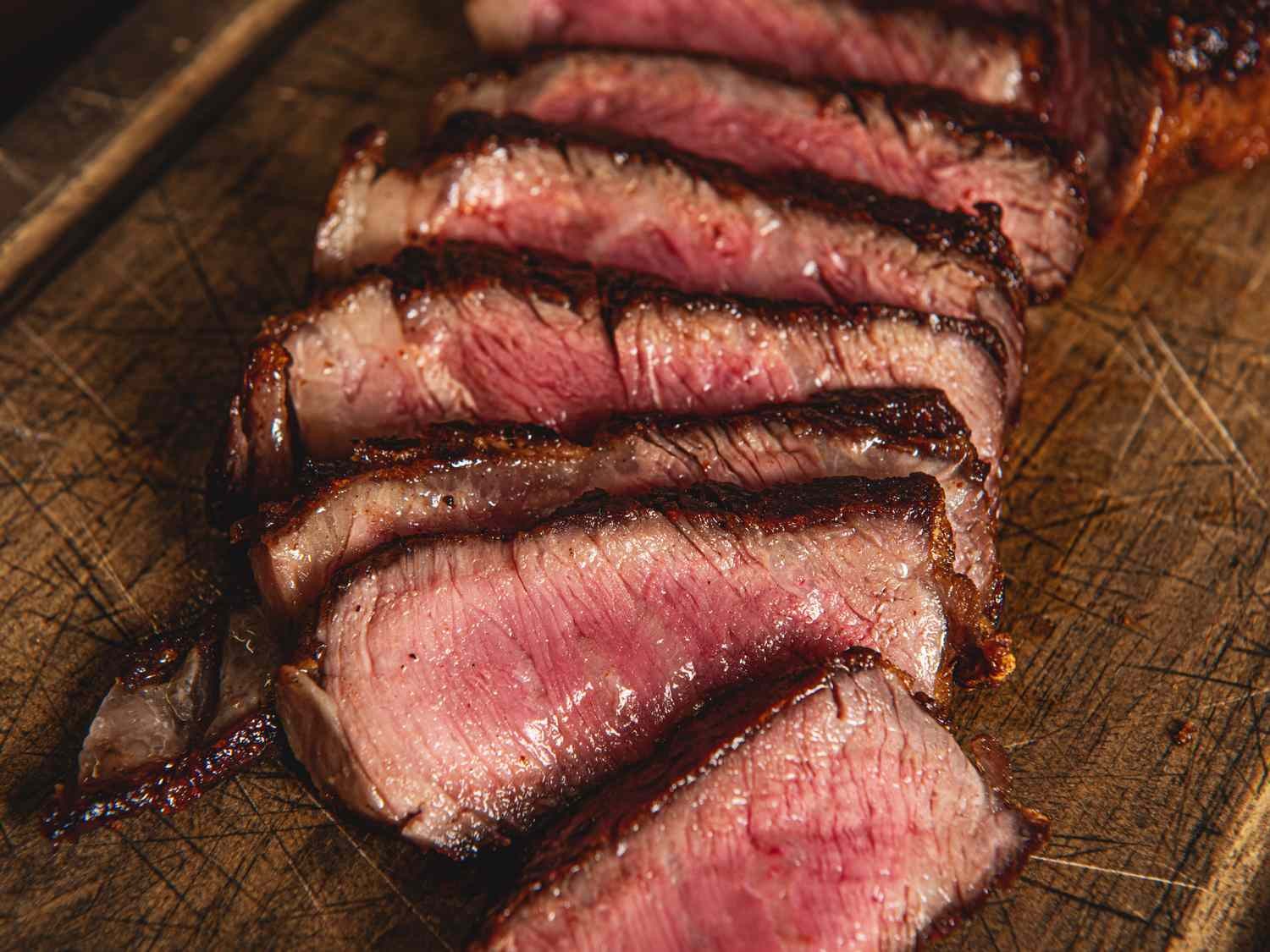
The widely accepted practice of letting meat rest after cooking is often justified by the idea that it allows juices to redistribute. However, studies show resting doesn’t reabsorb juices; it simply gives the meat time to reach its final internal temperature without slicing into it while still overheating. Slicing hot meat forces liquid out due to internal pressure, regardless of resting time.
The benefit of resting isn’t drawing liquid back in—it’s giving the meat time to coast to its target temp via carryover cooking.
Why Poking Meat Doesn’t Ruin It
Another common belief is that piercing meat during cooking causes it to dry out. In reality, a thermometer or fork doesn’t damage muscle fibers enough to release significant moisture. The real threat to juiciness isn’t a single poke, but overcooking. Avoiding a temperature check out of fear is far more likely to result in dry meat.
Searing: Flavor, Not Juice-Locking
The myth that searing “locks in” juices has been repeatedly debunked. Searing doesn’t create a waterproof barrier. In fact, seared steaks can lose more moisture than unseared ones due to increased evaporation. The purpose of searing is flavor—the Maillard reaction creates a savory crust, but doesn’t improve juiciness.
Chicken Doneness: Beyond 165°F
The standard recommendation to cook chicken to 165°F is a safety guarantee, but not a necessity. Holding chicken at lower temperatures for longer achieves the same bacterial reduction while yielding more tender results. Precise temperature control is key, and cooking to a fixed number isn’t always optimal, especially for lean cuts.
Cold-Pan Searing: A Counterintuitive Approach
Contrary to popular belief, starting meat in a cold pan can lead to juicier, more evenly cooked results. Dropping meat into a scorching pan tightens muscle fibers, forcing out moisture. A gradual heat build allows fat to render slowly and fibers to relax, creating better browning and tenderness.
Braising: Knowing When to Stop
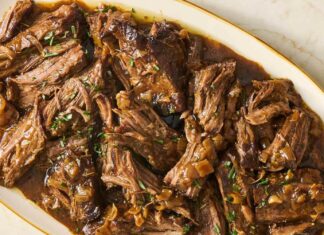
Longer isn’t always better when braising. Prolonged cooking can break down muscle fibers to the point where they lose their ability to retain juices, resulting in a dry, pasty texture. The ideal braising time is when the connective tissue has softened, but the meat still holds together.
Ultimately, the key to perfectly cooked meat isn’t blindly following tradition, but understanding the science behind it. Precise temperature control, proper heat management, and avoiding overcooking are far more important than outdated “rules.”