





The Academy Awards, while intended to celebrate cinematic excellence, have a long history of decisions that spark debate – and sometimes outright outrage. From accusations of bias to questionable choices and even legal controversies, certain wins stand out as moments where the Oscars failed to unite audiences. Here’s a look at some of the most contentious victories in recent memory.
Зміст
The 2026 Uproar: Sean Penn’s Absent Win
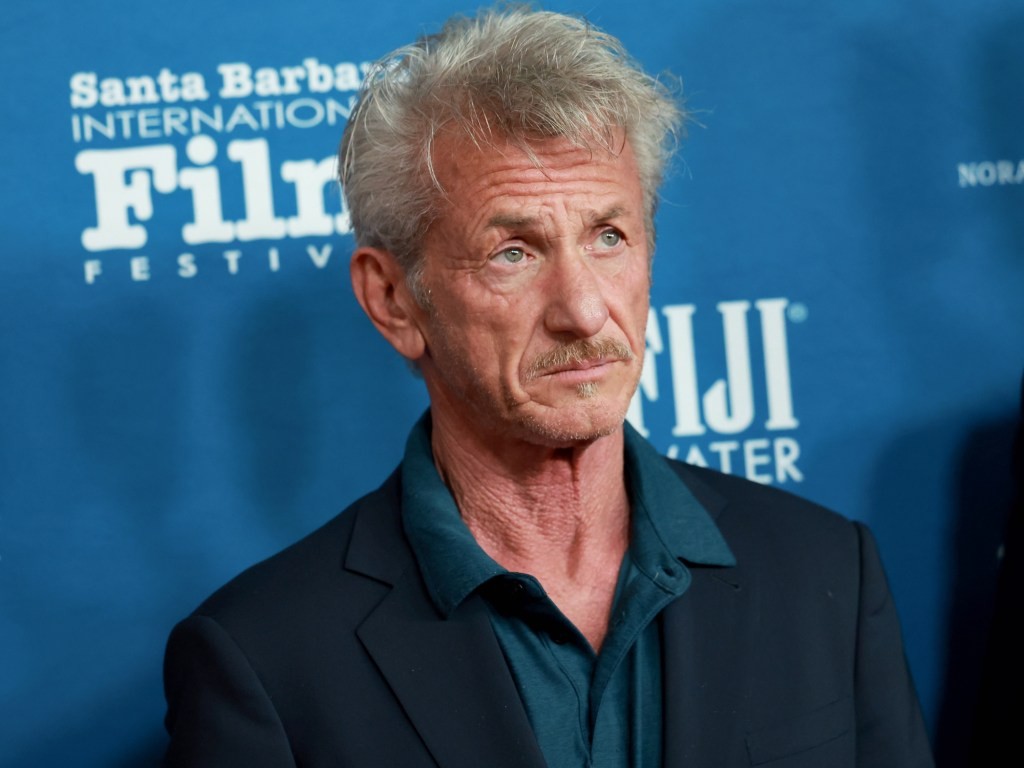
In 2026, Sean Penn secured Best Supporting Actor for One Battle After Another , despite decades-old allegations of physical abuse during his relationship with Madonna. His absence during the ceremony only fueled the controversy, with presenter Kieran Culkin making a pointed joke about his no-show. The win raised questions about whether the Academy separates artistry from personal conduct, or if it simply doesn’t care.
The 2025 Shocks: Madison Over Moore, and Saldana’s Unpopular Triumph
The 2025 ceremony was marked by several unexpected outcomes. Mikey Madison’s victory for Anora over Demi Moore, a frontrunner who swept all major pre-Oscar awards, shocked many. Critics argued Moore’s performance was far more deserving, and the upset felt like a deliberate snub.
Similarly, Zoe Saldana’s win for Emilia Perez drew criticism not for who she beat, but for the film itself. Many felt her win legitimized a controversial project, regardless of her acting quality.
Anora itself dominated the night, taking five awards: Best Motion Picture, Best Directing, Best Actress (Madison), Best Original Screenplay, and Best Film Editing. The Academy’s clear preference for the film only amplified the existing resentment.
AI and Controversy: Adrien Brody’s 2025 Win
Adrien Brody’s win for Best Actor in The Brutalist was particularly divisive. Not only did he deliver a widely panned speech, but reports surfaced that he used AI to refine his Hungarian dialogue. This blurred the line between performance and artificial enhancement, sparking outrage among purists.
Past Grievances: From Green Book to Polanski
The backlash extends beyond recent years. 2019’s Best Picture award for Green Book was met with fury, accused of perpetuating a “white savior” narrative. Spike Lee infamously stormed out of the ceremony, and critics drew parallels to past missteps like awarding Driving Miss Daisy over Lee’s Do the Right Thing.
In 2003, Roman Polanski won Best Director for The Pianist while still a fugitive from US justice on charges of sexual misconduct. His absence underscored the Academy’s willingness to reward talent even in the face of serious legal issues.
Legacy Wins and Snubs: The Recurring Pattern
Other controversial wins include Jamie Lee Curtis’s 2023 Supporting Actress award, seen as a snub to Stephanie Tsu and Angela Bassett; Ariana DeBose’s 2021 win, which some argue should have gone to Kirsten Dunst; and Alan Arkin’s 2006 victory, with many believing Eddie Murphy was more deserving for Dreamgirls.
Even Meryl Streep’s 2012 win faced backlash, with many arguing that Viola Davis was robbed for her role in The Help.
The Oscars have always been a blend of celebration and controversy. These moments highlight how subjective “excellence” can be, and how personal and political factors can overshadow artistic merit.
Ultimately, these controversial wins serve as reminders that the Academy Awards aren’t immune to bias, scandals, and questionable decisions. Whether due to political pressure, personal vendettas, or simply bad taste, the Oscars have often delivered verdicts that leave audiences divided.