





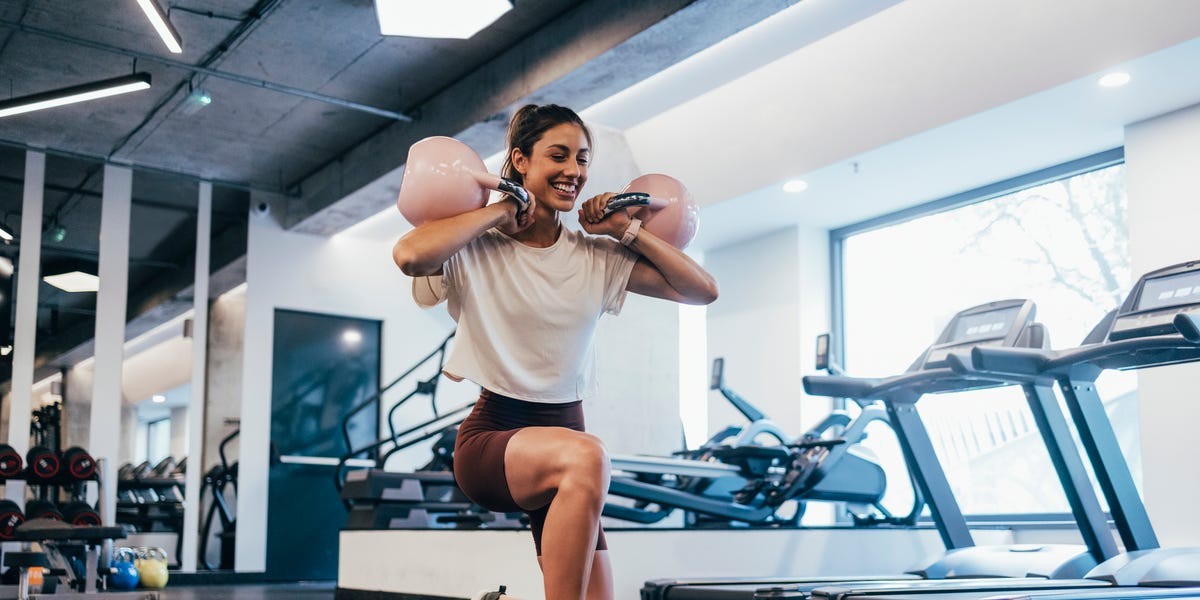
Most people don’t have hours to spend at the gym, and that’s okay. The key to effective fitness isn’t necessarily how long you work out, but how you work out. Instead of chasing arbitrary time goals, focus on maximizing efficiency and aligning your workouts with your specific goals.
Зміст
The Myth of the Perfect Workout Duration
There’s no one-size-fits-all answer. According to Natalya Vasquez, a certified personal trainer and health coach, ideal workout length depends entirely on your fitness level, goals, and schedule. “More exercise isn’t always better,” she explains. Quality trumps quantity.
Short Bursts Can Be Powerful
The trend toward “workout snacks”—brief, 10- to 15-minute sessions—is gaining traction for a reason. Even short bursts of activity can keep you on track and boost your mood. These are especially useful when time is limited.
Matching Duration to Your Goals
The type of workout drastically affects how long it should be.
- Weightlifting: Sessions can range from 30 minutes (focused on a single muscle group) to an hour (for multiple muscle groups). Volume—reps multiplied by sets and weight—is more important than time. The Department of Health recommends strength training at least twice a week.
- Cardio: The American Heart Association suggests at least 150 minutes of moderate-intensity or 75 minutes of high-intensity cardio weekly. A 20-minute HIIT session can burn as many calories as an hour of moderate cardio.
- Bodyweight Training: Effective bodyweight workouts can be completed in as little as 20 minutes, challenging your muscles without equipment. Studies show even shorter HIIT sessions can improve fitness significantly.
- Yoga and Pilates: Sessions typically last 20-60 minutes, with research showing benefits from as little as 12 minutes of daily yoga for bone health. Pilates, done 1-3 times a week, can improve flexibility and back pain.
Listen to Your Body (and Mind)
Pushing through exhaustion doesn’t equal progress. If you’re mentally checked out or your form suffers, a shorter, focused workout is better. Dreading your workout because of its length? That’s a sign to adjust your programming.
Rest and Recovery Are Crucial
Rest days are just as important as exercise. Allow at least one full rest day per week for muscle recovery, especially after high-intensity workouts. If you’re new to fitness, start with more rest days. Pay attention to your body’s signals: consistent soreness or dread are signs you need a break.
The bottom line: Optimize your workouts by matching duration to your goals, listening to your body, and prioritizing quality over quantity. A well-structured 20-minute session can be more effective than a grueling, unfocused hour.