




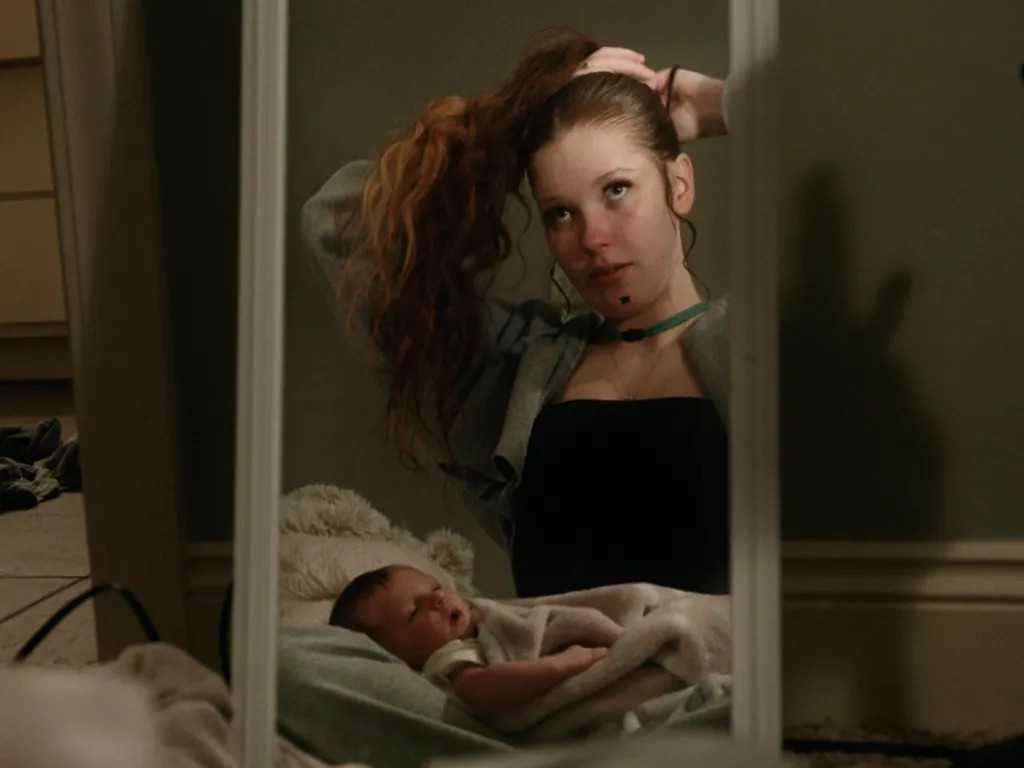
The overturning of Roe v. Wade in 2022 did not lead to the expected surge in demand for crisis pregnancy centers like Compassion House in Arkansas. Instead, it highlighted a deeper, more systemic problem: teen pregnancies in the South are high, resources are scarce, and the consequences fall disproportionately on young women and their families. The new documentary Baby/Girls, premiering at SXSW, offers an unflinching look at this reality.
A System That Fails Young Mothers
Directors Alyse Walsh and Jackie Jesko followed three pregnant teenagers through Compassion House over two years. What they found wasn’t a moral failing, but a cycle of generational poverty, limited sex education, and inadequate support systems. Crystal Widger, the center’s coordinator who herself became a mother at 14, notes the South has long been effectively abortion-free, yet does little to help the young women left behind. “We take away the option for abortion. We’re not providing adequate sex education. All that does is set us, as women, up for failure,” she states bluntly.
The documentary doesn’t shy away from hard truths. One 15-year-old girl admits to only recently learning basic anatomy, while another was already pregnant by the time she received sex education. This lack of knowledge, coupled with the financial realities in states like Arkansas, where over 21% of children live below the poverty line (compared to a national average of 16%), traps many in a cycle of disadvantage.
Generational Patterns and Lost Childhoods
The girls in Baby/Girls are not anomalies; they are products of a system where teen motherhood is generational. Many were born to teen mothers themselves, and face the same patterns of addiction, abuse, and limited economic mobility. Grace, 15, struggles with the responsibilities of motherhood while still wanting a typical teenage life, leaving her own mother to shoulder the burden of childcare. The film’s most heart-wrenching moment arrives when Grace’s mom suggests adoption, acknowledging her daughter’s desire to experience adolescence before being consumed by parenthood.
“You want to do all that more than you want to be a mom, but she deserved to be loved full time.”
No Easy Answers
Baby/Girls deliberately avoids offering solutions or advocating for specific policies. The filmmakers wanted to expose the disconnect between the laws being made and the lived experiences of the girls most affected by them. These teenagers are not part of the political conversation, yet bear the full weight of its consequences. The film’s bleak outlook isn’t a judgment, but an observation: unplanned pregnancies in a state with limited resources often lead to inescapable hardship. The documentary’s power lies in its refusal to sugarcoat a harsh reality.
The film underscores that the issue extends beyond Arkansas; it reflects broader systemic failures that leave countless young mothers across the country struggling with poverty, lack of support, and the loss of their childhoods.