






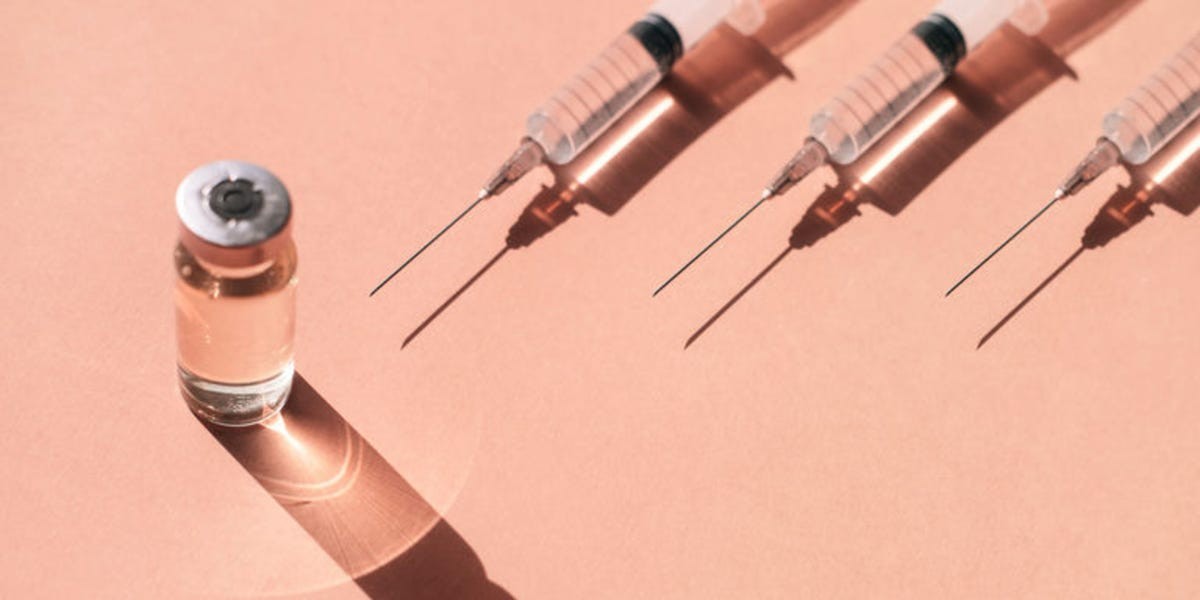
For decades, Botox has been a staple in cosmetic procedures, effectively reducing wrinkles and fine lines. Yet, some individuals report a frustrating phenomenon: their Botox stops working. While true immunity is rare, the perception of “Botox resistance” is growing, sparking debate among experts and concern among patients. This article examines the science behind Botox, why treatments sometimes fail, and what can be done to restore results.
Зміст
How Botox Works: A Quick Explanation
Botox, along with other neurotoxin brands like Dysport, Jeuveau, and Xeomin, contains botulinum toxin A. When injected, this protein temporarily blocks nerve signals that cause muscle contractions. This reduces the appearance of wrinkles by relaxing facial muscles. Each brand purifies and formulates the toxin differently, with some including accessory proteins (like Botox) and others being “naked” (like Xeomin). These variations, along with preservation methods, influence how the product interacts with the body.
The Myth of Immunity: How Rare Is It?
Despite anecdotal reports, developing a biological immunity to Botox is statistically uncommon. Research from clinical studies indicates that resistance occurs in a tiny fraction of patients, typically those treated for medical conditions, not cosmetic purposes. However, many individuals experience diminishing results, leading them to believe they’ve become “immune.” The real issue is often more complex.
Why Treatments Fail: Beyond Immunity
Several factors contribute to Botox treatments appearing ineffective over time. These include:
- Dosage: Under-dosing is common, especially if the provider doesn’t tailor treatment to individual muscle strength and movement patterns. Some clinics stretch product by over-diluting it with saline, compromising efficacy.
- Technique: Proper injection technique requires deep anatomical knowledge. Incorrect placement or depth can render the treatment useless.
- Exposure: Prolonged, frequent use or high doses may increase the risk of antibody development, though this is still rare.
- Product Variation: The differences between brands (Botox, Dysport, Jeuveau, etc.) can affect individual responses. Some doctors report better results switching brands when resistance is suspected.
What to Do if Your Botox Stops Working
If you notice diminishing results, consider these steps:
- Consult a Qualified Provider: Seek an experienced dermatologist or plastic surgeon with extensive anatomical knowledge.
- Discuss Dosage and Technique: Ensure your provider uses appropriate units for your facial anatomy and employs proper injection methods.
- Explore Different Brands: If resistance is suspected, switching brands may restore results, though this isn’t scientifically proven.
- Realistic Expectations: Recognize that Botox isn’t permanent. Results will fade over time, requiring maintenance treatments.
Ultimately, the perception of “Botox resistance” is often misattributed. While true immunity is rare, various factors can lead to ineffective treatments. By understanding these nuances and working with a skilled professional, patients can maximize their results and maintain a rejuvenated appearance.