



For 66-year-old Betty Teo, a routine trip down the stairs was a wake-up call. The fall left her feeling vulnerable and physically shaken, highlighting a terrifying reality for many aging adults: a single misstep can lead to a life-altering injury.
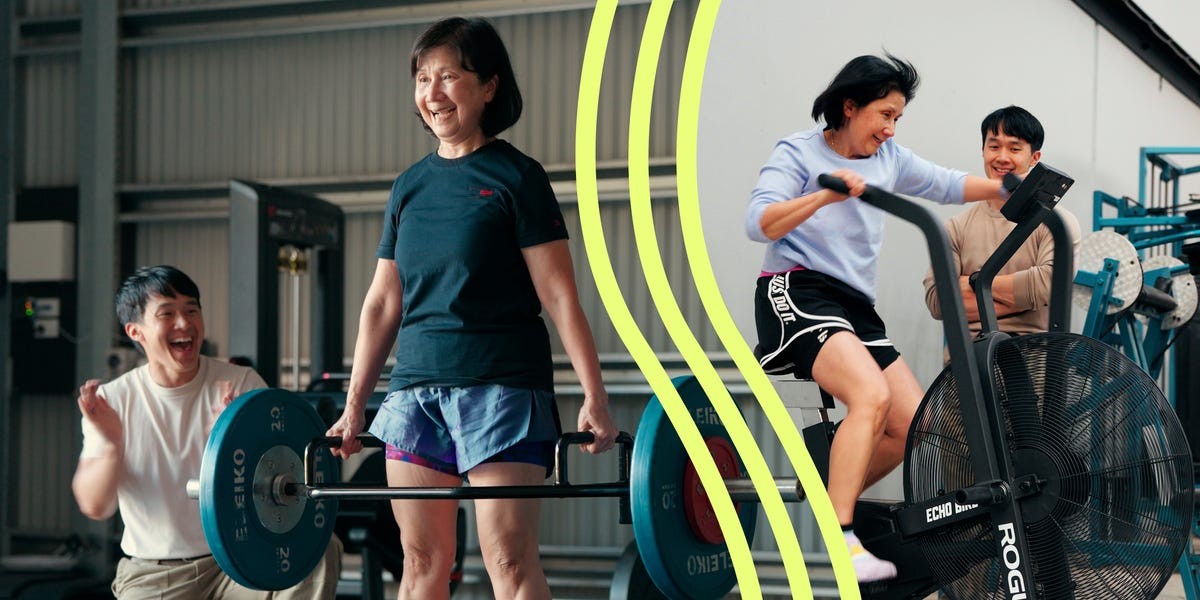
However, instead of retreating from activity, Betty—guided by her son, fitness coach Eugene Teo—transformed her physical capabilities. Today, she isn’t just walking safely; she is performing pull-ups on monkey bars and deadlifting 145 lbs. Her journey offers a blueprint for longevity training, moving beyond gentle movement toward a regimen designed to bulletproof the body against the risks of aging.
Зміст
The Hidden Risks of Aging
The motivation behind Betty’s intense training is backed by sobering statistics. According to the World Health Organization, falls contribute to approximately 684,000 deaths annually due to related complications.
For women, the risk is compounded by biological shifts. Post-menopause, declining estrogen levels often lead to decreased bone density, increasing the likelihood of osteoporosis and osteopenia. When bones are brittle, a simple trip can result in fractures that are difficult to recover from. Furthermore, aging typically brings a decline in:
– Muscle mass (Sarcopenia)
– Balance and coordination
– Proprioception (the body’s ability to sense its position in space)
– Reflexes
Beyond “Slow and Controlled”
Most seniors are advised to stick to low-impact activities like chair yoga or walking. While beneficial, Eugene Teo argues that these may not be enough to prepare the body for the “chaos” of real life.
“Life isn’t always happening in a slow, controlled environment,” Eugene explains. To truly prevent injury, the body must be exposed to dynamic forces : rotation, twisting, and sudden lateral movements. By incorporating plyometrics (explosive jumping exercises), Betty was able to improve her ankle strength and reduce arthritic pain, gaining the confidence to move through her daily life with independence.
The Longevity Toolkit: 7 Essential Exercises
To build a body that is resilient to falls, Eugene recommends a mix of strength, power, and stability training 1–3 times per week.
1. The Turkish Get-Up
Purpose: Stability and “getting back up.”
This move teaches you how to move from a lying position to standing while holding a weight. It is the ultimate preparation for a fall, as it trains the core, hips, and coordination required to return to your feet safely.
* Target: 3 sets of 5 reps per side.
2. The Stomp
Purpose: Low-barrier bone density training.
If jumping feels too intimidating, “stomping” provides the necessary impact to stimulate bone growth without the high risk of a full jump.
* How: While seated, lift your feet and slam them firmly into the ground.
* Target: 3–5 sets of 3–5 reps.
3. Jumping (Plyometrics)
Purpose: Building power and bone density.
Muscle mass is important, but power (the ability to move quickly) declines much faster than strength as we age. Exercises like pogo hops help the body absorb impact, strengthening the ankles, legs, and lower back.
* Target: 2–3 sets of 20–30 reps.
4. Depth Drops
Purpose: Controlled impact absorption.
A progression from jumping, this involves stepping off a small platform (up to 18 inches) and landing in a controlled squat. This teaches the joints how to handle sudden force.
* Target: 3–5 sets of 3–5 reps.
5. Counter-Movement Jumps
Purpose: Explosive power.
By dropping into a squat and immediately exploding upward, you train the nervous system to recruit muscle fibers rapidly—a vital skill for catching yourself during a stumble.
* Target: 3–5 sets of 3–5 reps.
6. The Deadlift
Purpose: Total body strength.
The deadlift is a foundational movement for the back, glutes, and core. Eugene recommends using a trap bar for better control and safety. Strengthening the posterior chain (the back of your body) is essential for maintaining upright posture and stability.
* Target: 3–5 sets of 3–5 reps.
7. Cardio Sprints
Purpose: Cardiovascular health and fall prevention.
Heart health is directly linked to fall prevention; cardiovascular disease can increase the risk of fainting or dizziness. Using an AirBike or treadmill for interval sprints builds aerobic capacity without excessive joint impact.
Conclusion
Betty Teo’s transformation proves that aging does not have to mean a decline in capability. By focusing on strength, power, and adaptability, older adults can move from a state of vulnerability to one of empowered independence.
“Falls are part of life: All you can do is be as prepared as possible.”