



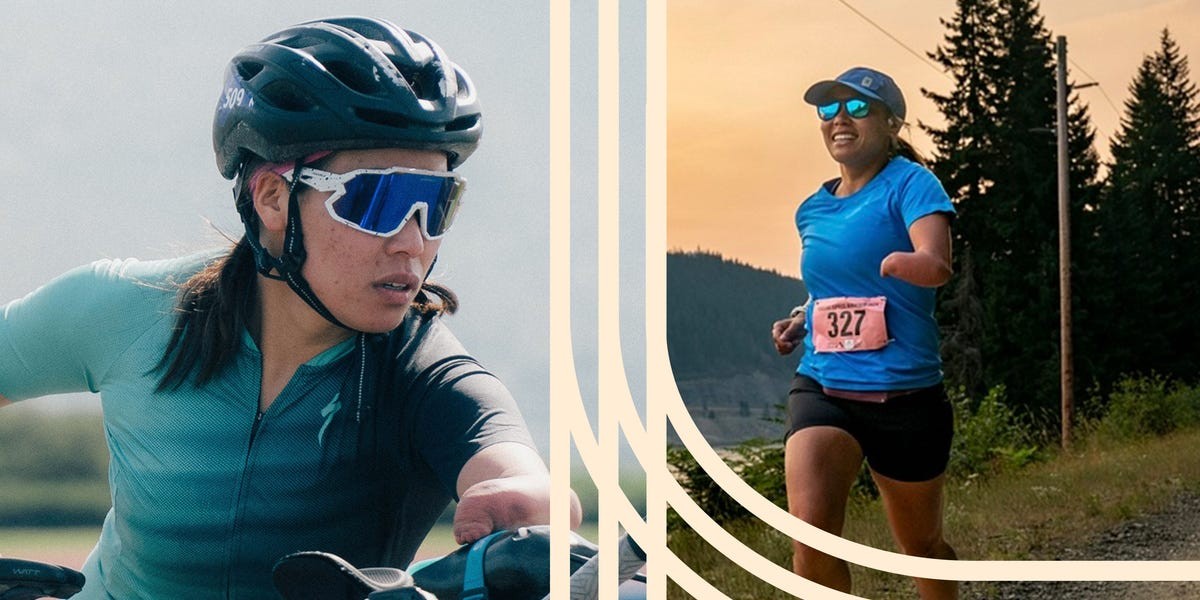
An athlete born with a missing left arm below the elbow shares their journey from competitive swimming and Olympic trials to conquering endurance racing – including multiple Ironmans and a current push for the Boston Marathon. The core message: limitations do not define potential.
The athlete’s story began in childhood, where sports became a proving ground for capability. Qualifying for the 2008 Beijing Olympic Trials, despite not making the team, instilled a belief in pushing personal boundaries. After college, the discipline of endurance racing captivated them – starting with half-marathons and culminating in Ironman triathlons.
Overcoming Physical Challenges Through Adaptation
The athlete’s success hinges on creative problem-solving. Modifications to equipment – like single-handed bike brakes – and training methods allowed full participation despite physical differences. Strength training, adapted with coaching assistance (using weight plates on the arm and Pilates rings for deadlifts), became essential.
This isn’t about ignoring limitations but finding ways around them. The approach is functional: what needs to change to make the training still possible? This mindset is a key takeaway.
The Three Pillars of Endurance Success
The athlete credits three factors for their continued progress:
- Community Support: The Lucky Fin Project, a nonprofit for people with limb differences, provides validation and connection – combating isolation and reinforcing a shared drive.
- Realistic Goal Setting: Rather than chasing others’ records, the focus is on personal improvement. The Boston Marathon goal is to beat a personal best, not to win.
- Acceptance of Fluctuations: Progress isn’t linear. Acknowledging setbacks and maintaining perspective (the mantra: just because everyone is on the same start line doesn’t mean we all took the same road to get there ) are vital for long-term endurance.
The athlete now trains 35–40 miles per week, incorporating hill repeats, tempo runs, and long distances. Plyometrics and twice-weekly strength training at The Coalition gym round out the routine. The commitment is relentless, the adaptation is constant, and the drive remains unwavering.
Ultimately, this athlete’s story demonstrates that physical challenges are not barriers but opportunities for creativity, resilience, and redefining what’s possible.