





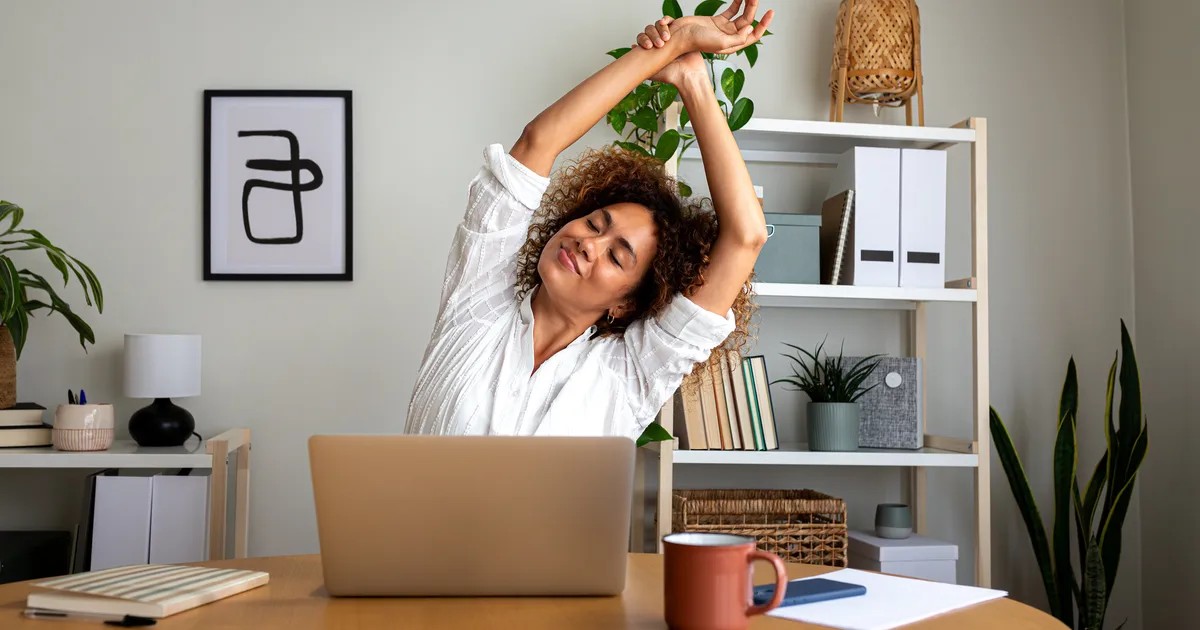
Prolonged sitting, a common habit in modern life, isn’t just linked to well-known health risks like heart disease and diabetes. Emerging research shows it directly contributes to chronic pain, specifically in the back and knees, and reduces overall mobility. This isn’t merely about discomfort; it impacts how we move, our posture, and even how efficiently our bodies function.
Зміст
The Role of Tight Hip Flexors
The primary culprit is the chronic tightening of hip flexors — the muscles responsible for lifting the knee and bending forward. When we sit for hours, these muscles remain in a shortened position. Dr. Michael Fredericson, a professor of sports medicine at Stanford, explains this leads to “passive muscle stiffness.”
This isn’t limited to desk workers; runners and cyclists experience similar issues. The problem isn’t just tightness itself, but the downstream effects. Men are disproportionately affected, with males tending to have tighter hip flexors overall.
How Tight Hips Cause Pain
Tight hip flexors directly contribute to knee and back pain. When flexors are chronically contracted, they compress the kneecap, leading to pain during activities like running or even walking. Melanie McNeal, a physical therapy manager at Baylor College of Medicine, notes this compression is a common source of discomfort.
Furthermore, tight hips shorten stride length, resulting in an inefficient gait often seen in older adults. Back pain arises from pelvic tilt and spinal curvature changes. Brian Kracyla, a physical therapist, explains that tight hip flexors force the pelvis forward, increasing the lower back’s curve and causing stiffness. Stretching hip flexors can provide immediate relief, confirming the connection.
Minimizing Harm: Active Sitting & Movement
Avoiding prolonged sitting entirely isn’t always feasible. However, how you sit matters. Slouching exacerbates the problem, while maintaining good posture engages core muscles and keeps the pelvis neutral. Dr. Fredericson recommends “active sitting” rather than passively slumping.
More importantly, standing and moving for at least five minutes every half-hour is crucial. This doesn’t just benefit hip flexors; it lowers blood pressure and reduces cardiovascular risk. Relying solely on gym workouts to counteract hours of sitting is ineffective. The key is consistent movement throughout the day.
Treatment and Prevention
Addressing tight hip flexors requires a multi-pronged approach: stretching, mobility work, and strength training. Effective stretches include the half-kneeling stretch, 90/90 stretch, child’s pose, and low-lunge stretch. Hold each stretch for at least 30 seconds, repeating three times.
For persistent pain or difficulty moving, consulting a doctor or physical therapist is advisable. Treatment often requires a professional assessment to tailor a plan to individual needs.
In conclusion: Prolonged sitting is a significant contributor to chronic pain and reduced mobility. Simple adjustments to posture, frequent movement breaks, and targeted exercise can mitigate these effects, but ignoring the problem can lead to long-term discomfort and functional limitations.