




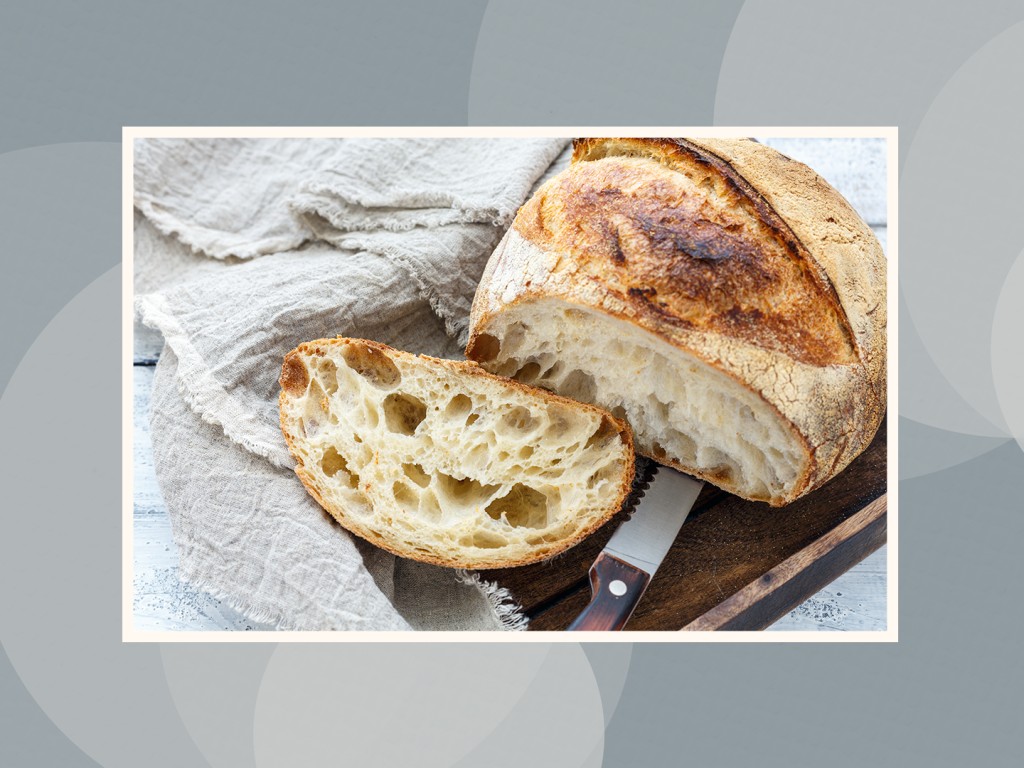
For many home bakers, sourdough is a journey marked by frustration. Dense, gummy loaves despite careful measurements are a common issue, often stemming from misjudging bulk fermentation – the stage where dough rises and develops flavor. The solution? The aliquot method. This technique, popularized by online baking communities, provides a simple yet effective way to predict when your dough is ready to bake, reducing failure rates dramatically.
Зміст
What Is the Aliquot Method?
The core idea is straightforward: instead of estimating bulk fermentation in a large bowl, take a small sample (“aliquot”) of your dough and place it in a clear container. This allows you to track its rise visually. Most bakers look for a 30–100% increase in volume before ending fermentation, ensuring a light, airy crumb. The method essentially removes guesswork, providing a quantifiable metric for readiness.
Why Is This Method Effective?
Sourdough fermentation is notoriously variable. Room temperature, humidity, and even slight ingredient inconsistencies can lead to unpredictable results. The aliquot method bypasses this chaos. By monitoring a small sample under controlled conditions, you get a direct measure of your dough’s activity in its actual environment. It’s not about strict timing (“ferment for 4 hours”) but about observing real expansion. This approach is especially valuable for beginners, but even experienced bakers benefit from the precision.
A Modern Solution to an Ancient Craft
This isn’t a traditional technique passed down through generations. The aliquot method emerged from online forums and Reddit threads where bakers collectively sought consistency. The term itself comes from science (“aliquot” means a portion of a whole), reflecting its lab-like precision. It borrows from scientific methodology to solve a problem that has plagued sourdough bakers for centuries.
How to Implement the Aliquot Method
The method is remarkably simple:
- Take a small sample (2 oz jars are common) from your bulk fermenting dough.
- Track the rise. Observe how much the aliquot expands over time.
- End fermentation when it reaches 30–100% growth. This is your signal to bake or refrigerate.
The aliquot method isn’t just about avoiding mistakes; it’s also about learning what fully fermented dough looks and feels like. Over time, you’ll internalize these cues and eventually rely less on the sample jar. However, for anyone struggling with inconsistent results, this method transforms sourdough baking from a frustrating gamble into an accessible, rewarding process.
In conclusion, the aliquot method is a game-changer for sourdough bakers of all skill levels. By introducing precision into a traditionally vague process, it ensures consistent results, reduces waste, and builds confidence in the kitchen.