





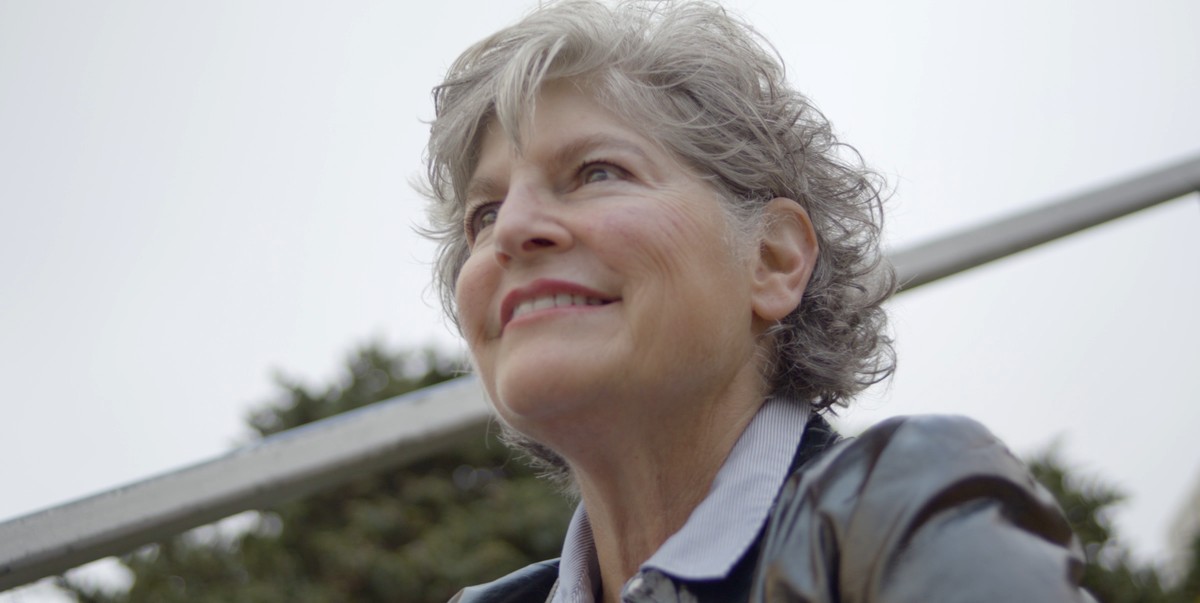
Rachel’s journey with ovarian cancer began in 2018, but her engagement with the disease stretches back decades. Faced with a genetic predisposition, she consciously chose not to undergo preventative surgery, a decision she describes as “educated,” not reckless. This choice set the stage for a fight she would confront head-on, not as a statistic, but as a patient, advocate, and now, a voice for change.
Зміст
The Difficulty of Early Detection
Ovarian cancer remains notoriously difficult to diagnose early. Unlike some cancers, there is no reliable screening test. Symptoms – bloating, pelvic pain, changes in bowel habits – are easily mistaken for common ailments or menopause, leading to a devastating statistic: roughly 80% of women are diagnosed at advanced stages (III or IV). Rachel’s story highlights this challenge. Despite monitoring her health, she only knew for sure after waking up from surgery that cancer had been found. The emotional toll was immediate and raw.
“Anger is a really natural place to start, and it’s also a good place to finish and move to the next step.”
Turning Pain Into Purpose
Rachel’s first recurrence came three years after initial treatment, bringing a new level of intensity. This time, she experienced debilitating pain and nausea, questioning her survival. However, she emerged determined to use her experience to help others. She shifted her career, now consulting for biotech and pharmaceutical companies, translating complex science into accessible information. Rachel also lobbies for research funding and policy changes, believing that increased awareness leads to more funding, which ultimately saves lives.
The Power of Community Support
Cancer forced Rachel to accept help – something she initially resisted. Friends and family coordinated rides, delivered meals, and even took notes during doctor’s appointments. She emphasizes the vital role of advocates: “Having others advocate for you is everything.” This appreciation for collective effort mirrors her past community work, including launching San Francisco’s iconic 16th Avenue Tiled Steps. She sees these steps as a symbol of how communities can rally around those in need, ensuring legacies endure beyond individual struggles.
A Legacy Beyond Cancer
Rachel doesn’t romanticize her illness. It hasn’t been a gift, but it has sharpened her life’s purpose. Cancer pushed her to reevaluate her career, leading to work she finds deeply meaningful. Her advocacy extends beyond science and policy; she insists on destigmatizing conversations around gynecological cancers.
“I want us to be talking about the organs down there…the organs that give us life and that can kill us.”
Ultimately, Rachel’s story is a testament to resilience and the power of turning personal suffering into collective action. She reminds us that cancer does not define a person; it is merely one chapter in a story that will live on.