





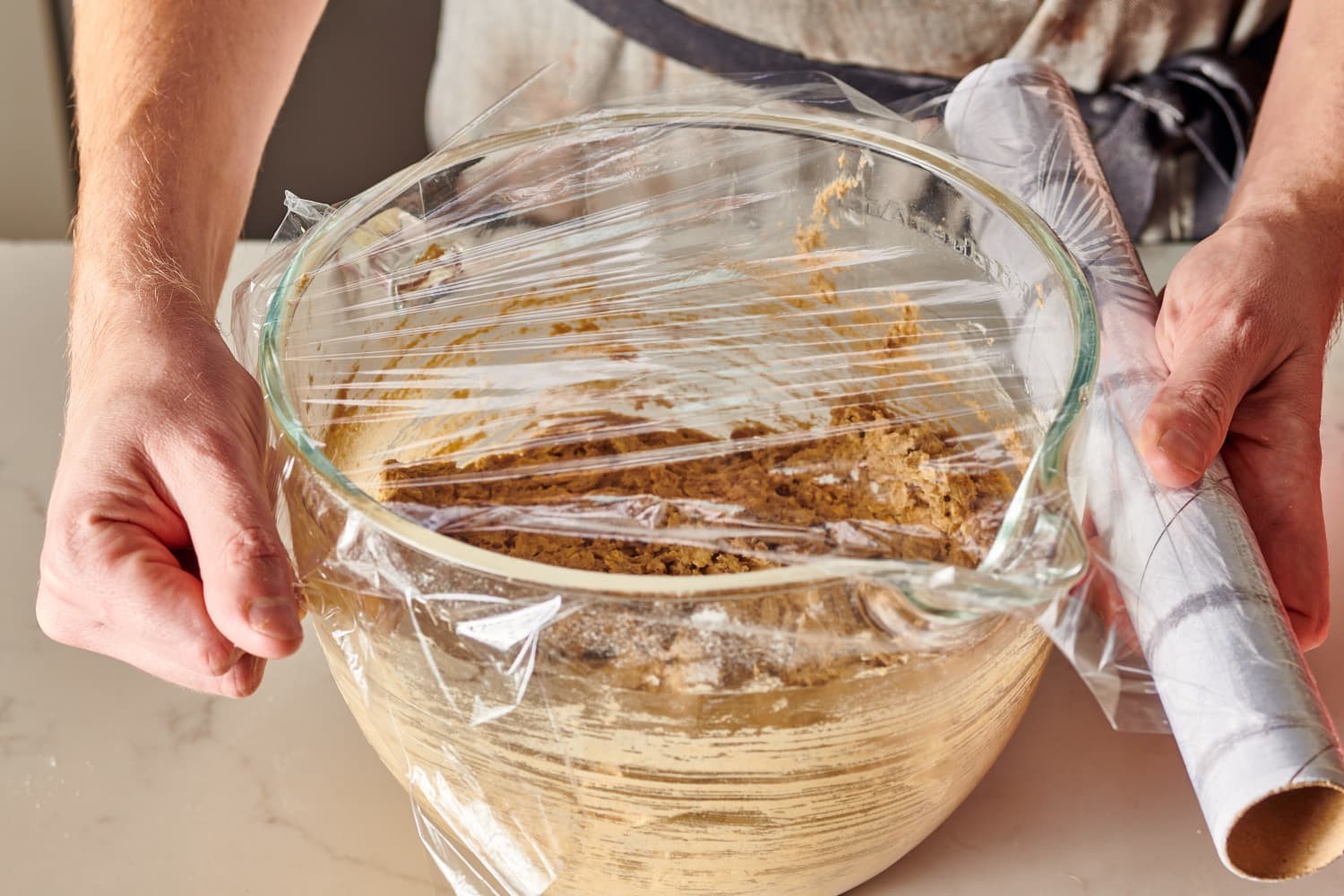
Many people strive for sustainable living, but often overlook the hidden plastic footprint of everyday kitchen habits. The author, a long-time advocate for eco-friendly practices, initially overlooked the impact of plastic wrap until confronted by readers who rightly pointed out its environmental consequences. This realization sparked a journey toward reducing single-use plastics in the kitchen, a transition that proved surprisingly easy with the right tools.
Зміст
The Problem with Plastic Wrap
The sheer volume of plastic waste generated by plastic wrap and disposable baggies is substantial. Beyond landfill accumulation, the breakdown of plastic into microplastics poses a growing threat to ecosystems and human health. While completely eliminating plastic overnight isn’t realistic for most, making small changes can significantly reduce individual impact.
Smart Alternatives: Beyond Beeswax
While beeswax wrap is a popular eco-friendly alternative, it’s not the only solution. Recycled plastic options offer a pragmatic compromise: they keep plastic in circulation rather than contributing to new waste. The key is finding products that integrate seamlessly into existing routines, making sustainable choices convenient.
Repurposing Before Replacing
Before fully transitioning to alternatives, consider maximizing the use of existing plastic wrap and baggies. The author suggests extending the life of these materials through diligent reuse: cleaning and repurposing zip-top bags for food storage or even containing unpleasant kitchen odors (like fish packaging or spoiled produce). Composting organic waste in sealed plastic bags is another efficient way to reduce trips to the curb and minimize smells.
Making the Transition: Practical Steps
- Finish existing stock: Use up remaining plastic wrap before switching to alternatives.
- Donate or repurpose: Offer unused plastic wrap to others or find creative uses (like sealing pet waste).
- Explore recycled options: Choose plastic products made from recycled materials to reduce demand for virgin plastic.
- Embrace reusable containers: Invest in glass, silicone, or stainless steel containers for food storage.
Ultimately, reducing plastic waste isn’t about perfection; it’s about making conscious choices and minimizing environmental impact. Even small steps, like repurposing existing materials, can contribute to a more sustainable kitchen.