





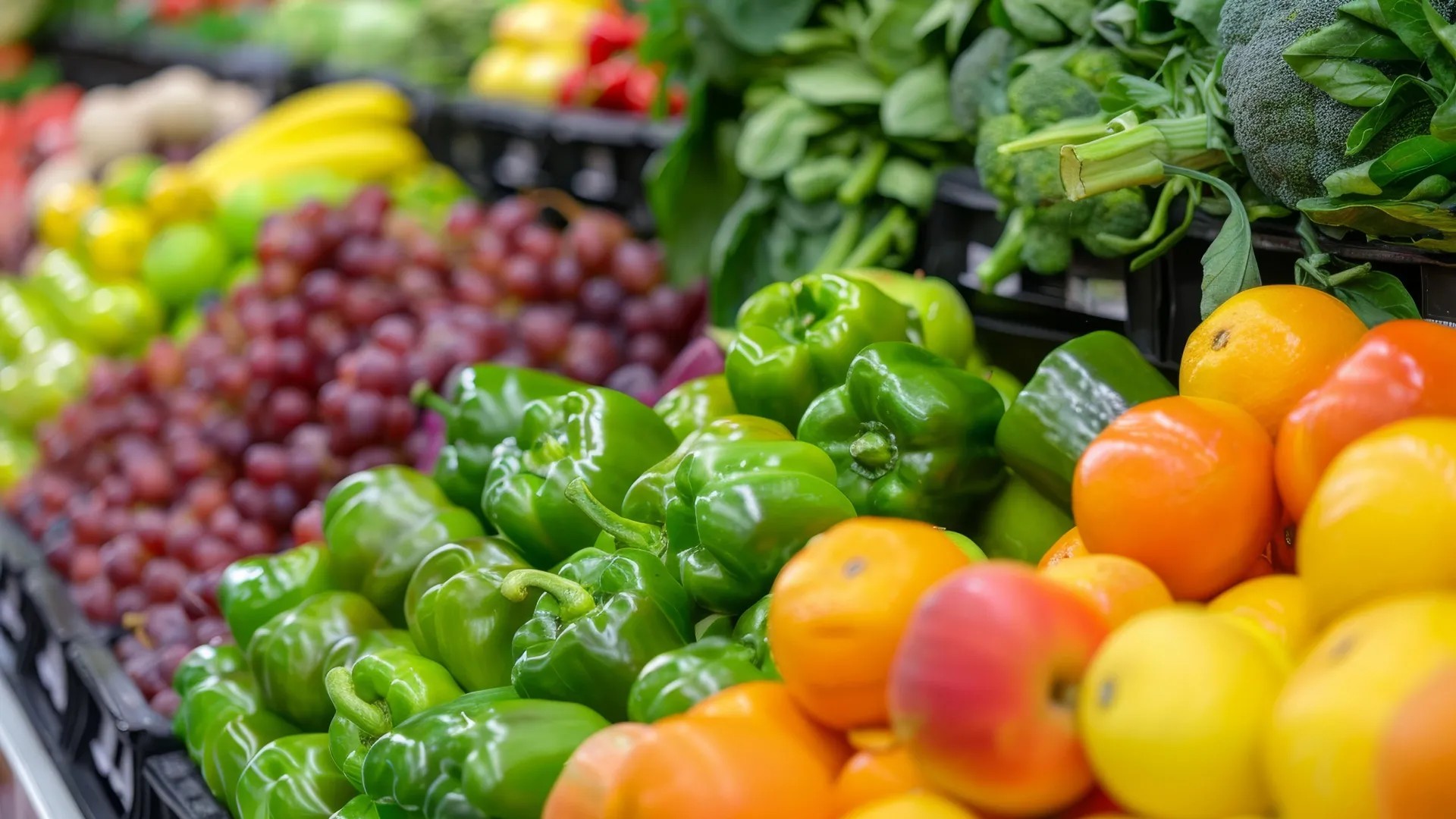
A new study confirms that what you eat directly influences the amount of pesticides in your system. Researchers found a strong correlation between higher pesticide levels in urine samples and consumption of fruits and vegetables known to carry higher residues, like strawberries, spinach, and bell peppers. This means your food choices aren’t just about nutrition; they’re also a key factor in how much exposure you get to potentially harmful chemicals.
Зміст
Why This Matters: A Growing Concern
Pesticides have long been linked to serious health issues, including cancer, reproductive problems, hormone disruption, and neurological harm, particularly in children. While consuming produce is vital for a healthy diet, this study reinforces that it can also be a significant route of pesticide exposure for millions of Americans. The findings underline the need for better monitoring and regulation—and may prompt more people to reconsider their eating habits.
How the Study Was Conducted
Researchers at the Environmental Working Group (EWG) analyzed data from the U.S. Department of Agriculture (USDA) on pesticide residues in produce between 2013 and 2018. They combined this with dietary surveys and urine biomonitoring data from nearly 2,000 participants in the Centers for Disease Control and Prevention’s (CDC) National Health and Nutrition Examination Survey (NHANES).
Using this information, they developed a “dietary pesticide exposure score” to estimate individual exposure based on both the types of produce eaten and the residue levels detected. The results were then compared with 15 pesticide biomarkers found in urine samples, representing three major chemical categories: organophosphates, pyrethroids, and neonicotinoids.
Key Findings: Diet, Mixtures, and Gaps in Monitoring
The analysis confirmed that people who ate more high-residue produce had demonstrably higher pesticide levels in their urine. But the study also revealed several critical points:
- Diet is central: Dietary choices are a primary driver of pesticide exposure.
- Monitoring is incomplete: Current biomonitoring only tracks a fraction of the pesticides present on food.
- Exposure involves mixtures: Consumers are exposed to a complex cocktail of agricultural chemicals, far beyond what current tests capture.
- Potatoes complicate things: Estimating pesticide exposure from potatoes requires further study because of their varied consumption methods.
Regulatory Concerns: A Need for Cumulative Assessments
The findings raise questions about the adequacy of current pesticide safety standards set by the Environmental Protection Agency (EPA). The EPA typically sets limits for individual pesticides, but doesn’t fully account for the cumulative effects of multiple residues commonly found on produce. This means that even if a single pesticide is within safe limits, the combined exposure may still pose a risk.
“This study was only possible thanks to robust federal data, highlighting why strong public health agencies must remain a top priority for policymakers,” said Varun Subramaniam, EWG science analyst.
What You Can Do: Informed Choices and Organic Options
The EWG recommends continuing to eat a diet rich in fruits and vegetables, whether conventionally grown or organic. Switching to organic produce, which avoids certain synthetic pesticides, can significantly lower pesticide biomarkers in the body within days.
Ultimately, this study underscores the importance of understanding where your food comes from and making informed choices about what you put on your plate.