




Rheumatoid arthritis (RA), an autoimmune disease affecting 1.5 million Americans, causes painful joint inflammation with no known cure. A new meta-analysis of 12 studies involving over 270,000 adults suggests that consistently following healthy eating patterns may reduce the risk of developing RA.
Why This Matters: RA is a chronic condition linked to both genetic predisposition and environmental triggers. Understanding modifiable risk factors, like diet, is crucial for prevention. While no single food guarantees immunity, adopting an anti-inflammatory approach to eating could significantly lower your chances.
Зміст
The Study Findings
Researchers analyzed data from 12 studies published in Seminars in Arthritis and Rheumatism. The results showed a clear association between diet quality and RA risk:
- Mediterranean Diet: 12% lower risk
- Healthy Eating Index (HEI): 40% lower risk
- Anti-Inflammatory Diet: 44% lower risk
These reductions are substantial, considering the disease’s chronic nature. The study emphasizes that consistent dietary quality, rather than specific foods, is key.
What Do These Diets Have in Common?
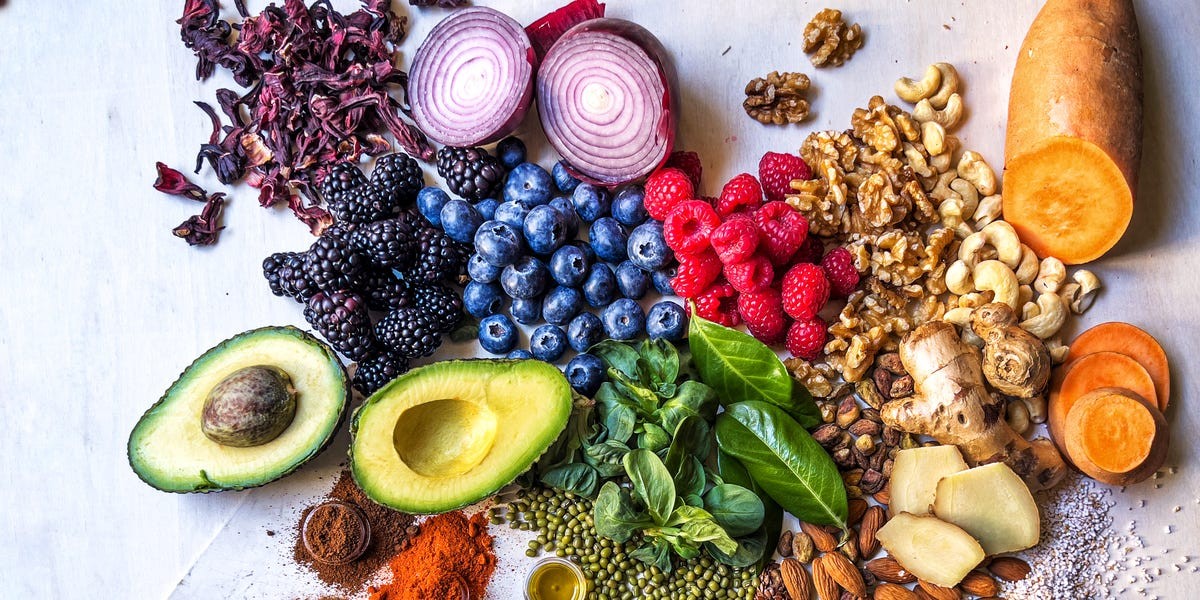
All three eating patterns prioritize whole, minimally processed foods that combat chronic inflammation. An anti-inflammatory diet emphasizes:
- Fruits & Vegetables: Abundant in antioxidants and nutrients
- Whole Grains: Providing fiber for gut health
- Healthy Fats: Olive oil, omega-3s from fatty fish
- Limited Processed Foods: Reducing sugar, refined carbs, and saturated fats
“It’s more about maintaining consistent diet quality than emphasizing any single food,” explains registered dietitian Keri Gans.
Why Diet Matters in RA Prevention
RA is likely more influenced by environmental factors than genetics. Healthy eating improves immune function and reduces systemic inflammation, both linked to autoimmune responses.
“We know RA is much more of an environmental than a genetic condition, and that healthy dietary pattern improves many aspects of human health, including immune function.”
– Dr. Kronzer, Study Co-Author
Diets rich in omega-3 fats, fiber, and antioxidants may also regulate the immune system, potentially delaying or preventing disease onset.
How to Eat for Prevention
To potentially lower your risk, focus on incorporating these elements:
- Fruits and vegetables (variety is key)
- Whole grains over refined carbs
- Lean proteins, especially fatty fish
- Olive oil instead of processed vegetable oils
- Herbs and spices (turmeric, ginger)
- Minimize sugary drinks, fast food, and processed meats
Important Note: Diet is not a cure. Consult a healthcare provider to discuss personalized prevention strategies and disease management.
Conclusion: While not a guarantee, adopting a consistent, anti-inflammatory diet may significantly reduce the risk of developing rheumatoid arthritis. Prioritizing whole foods and reducing processed ingredients is a proactive step towards better health.