
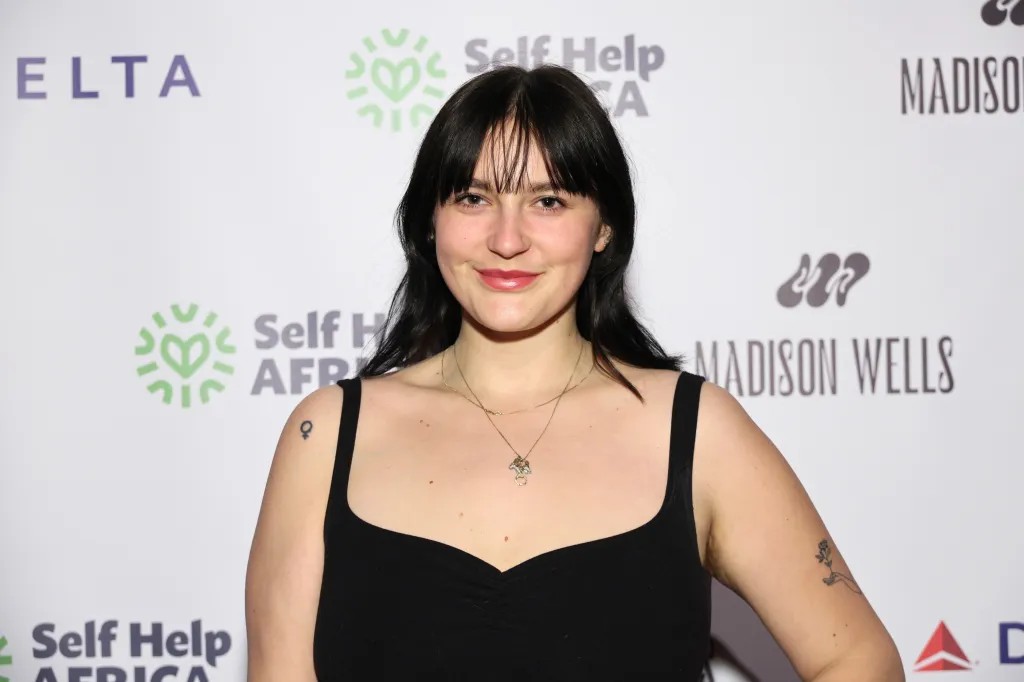
Gracie McGraw lost the weight. She also lost her peace of mind.
The 29-year-old, daughter of country superstars Tim McGraw and Faith Hill, just dropped a bombshell about her three-year stint with Ozempic. She didn’t just lose pounds. She triggered a mental health crisis so severe she’s calling the experience “probably one of the worst things I’veever done for myself.”
Her story matters because it shatters the glossy, effortless narrative surrounding weight loss drugs.
For years, Gracie struggled with PMOS, previously known as PCOS. This condition involves insulin resistance and metabolic issues that made weight management a medical necessity, not just an aesthetic choice. In March 2022, she went public with her diagnosis. Doctors prescribed GLP-1 agonists like Ozempic to help regulate her body and manage the symptoms.
For a while, it seemed like a win.
“At that time I thought it was the best decision I ever made because I finally lost weight,” she admitted in a raw series of August 2026 Instagram Stories.
The scale went down. The waistline shrank. The opportunities appeared.
She started getting more work. People in her friend group looked at her differently. Strangers on the street treated her with a new kind of deference. It’s a familiar trope for women in the public eye, but for Gracie, who grew up in the shadow of her famous parents and her sisters Maggie and Audrey, the shift was toxic.
She had spent her entire life being told she was the “ugly” one. The internet, magazines, and casual cruelty had hammered home the idea that she didn’t inherit the looks of the McGraw/Hill gene pool. She was the outlier.
Then, suddenly, she wasn’t.
But this newfound attention didn’t heal her. It reopened old wounds.
“I’ve been called fat and ugly my entire time,” Gracie wrote. “Constantly saying I must have different genes… because I was the ‘fat’ one.”
When the weight dropped, the validation flowed in. But so did the trauma. The external praise couldn’t silence the internal war. Using these medications to shrink her body triggered a resurgence of her eating disorders (ED).
“My internal system is forever changed since taking the drugs,” she shared.
Yes, the physical symptoms of PCOS became easier to control. Yes, the meds worked.
But the cost? A return of negative body views and disordered eating habits that she had spent years trying to manage.
Gracie eventually switched from Ozempic to a lower dose of Mounjaro. She’s been working out consistently. She’s trying to heal. But the damage to her relationship with food and self-image lingered long after the physical changes.
This isn’t just a personal anecdote. It’s a critique of the culture that demands we stay silent about the dangers of extreme weight loss trends.
Gracie pushed back against the narrative that people shouldn’t comment on celebrity body changes. She called that silence “incredibly wrong and damaging.” When we ignore these trends, we promote “created thinness” as a goal rather than a danger sign.
We are at a tipping point where empathy is being mistaken for body-shaming. Telling someone to stop speaking up about their mental health struggle is cruel.
“It’s promoting created thinness as a goal, not as danger. We need to be taking care of ourselves.”
Now, Gracie says she’s doing “so good.” She’s honest about the fact that recovery isn’t linear. There are slip-ups. Bad days. Moments where the old voices creep back in.
She’s using her platform not to sell a solution, but to keep the conversation real. To admit that losing weight didn’t fix her. That medication wasn’t a magic wand, just a tool with heavy副作用.
Is the trade-off worth it?
Gracie’s answer is a clear, heartbreaking no. Not for her. Not for the mental toll. Not for the way society rewards bodies that don’t match their inner reality.
She’s still figuring out the path to self-acceptance. It’s messy. It’s ongoing. And maybe that’s the only honest takeaway for anyone watching from the sidelines.
The pills worked on her metabolism. They failed her mind.