



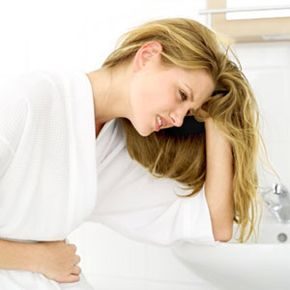
It happens with the reliability of a sunrise. One day you are fine. The next, you snap at your partner over a misplaced sock. You forget the password to your work laptop. You crave chocolate with a desperation that feels less like hunger and more like a command. Maybe you look in the mirror and hate the bloating. Your hair feels limp. Your skin breaks out.
Society has a lazy name for this. We call it premenstrual syndrome, or PMS. Often, it’s dismissed as an excuse. A cover for being “hangry.” A justification for eating the whole pizza box while the kids are asleep.
That dismissal is wrong. Doctors know PMS is a physiological event. Hormones are shifting. Neurotransmitters are reacting. For a small percentage of women, it is debilitating. For many more, it is a monthly annoyance that disrupts focus, mood, and comfort.
We need to stop treating it as a character flaw. We need to understand what is actually happening in the body, how to spot the difference between PMS and other conditions, and how to get relief.
Зміст
Defining the Window
Premenstrual Syndrome is not a disease. It is a collection of physical and emotional symptoms triggered by hormonal fluctuations. Specifically, it occurs in the luteal phase of the menstrual cycle. That is the 7 to 14 days before your period starts.
Once menstruation begins, the symptoms usually vanish.
This pattern is exclusive to women of childbearing age. After menopause, when ovulation stops, PMS stops.
The prevalence is high. Up to 40% of menstruating women experience some form of symptoms. For most, it is manageable. For about 5%, the severity crosses into clinical territory, interfering with work, relationships, and daily functioning.
The challenge? There are more than 150 documented symptoms. No single blood test confirms PMS. Diagnosis is largely one of elimination and pattern recognition.
Ruling Out the Lookalikes
Before settling on PMS, a doctor must rule out other conditions that mimic its symptoms. If you are experiencing severe mood swings or physical pain, other issues could be at play.
Common conditions to exclude include:
- Anemia: Fatigue and irritability can mask low iron levels.
- Thyroid issues: Hypothyroidism affects energy, mood, and weight.
- Diabetes: Fluctuating blood sugar causes hunger, fatigue, and brain fog.
- Endometriosis: Painful periods often overlap with premenstrual pain.
- Perimenopause: Hormonal shifts in the years leading up to menopause can feel like intense PMS.
- Eating disorders: Dysregulated eating patterns affect mood and energy.
- Chronic fatigue syndrome: Persistent exhaustion unrelated to the cycle.
- Autoimmune disorders: Inflammation can cause widespread pain and fatigue.
- Alcohol or substance abuse: Withdrawal or usage impacts mood and sleep.
- Oral contraceptive side effects: Some birth control pills cause mood changes themselves.
- Dysmenorrhea: Severe menstrual cramping that may be confused with premenstrual pain.
Keeping a daily symptom diary is the most effective diagnostic tool. Track your mood, physical pain, and sleep for three months. Look for the pattern. Do symptoms spike two weeks before bleeding and resolve within days of the period starting? If so, PMS is the likely culprit.
The Symptom Spectrum
The variety of PMS symptoms is vast. They range from psychological shifts to physical pain. They vary in intensity from person to person. They can even change from cycle to cycle for the same woman.
The Mental Load
Emotional symptoms are often the most disruptive.
- Mood instability: Unexplained crying, anxiety, sadness, or sudden anger.
- Brain fog: Trouble concentrating in meetings. Forgetting where you put your keys.
- Libido changes: A sudden drop or spike in sex drive.
The Physical Toll
The body reacts just as strongly as the mind.
- Digestive distress: Bloating, constipation, diarrhea, or an upset stomach.
- Pain: Headaches, breast tenderness, joint pain, or cramping.
- Sleep disruption: Insomnia or waking up exhausted.
- Appetite changes: Intense cravings for carbs, chocolate, or salt.
- Appearance changes: Acne breakouts, oily hair, or water retention leading to weight gain.
These symptoms are real. They are not “in your head.” They are the result of complex interactions between hormones, brain chemicals, and physical health.
Understanding this helps shift the narrative. You are not “crazy.” You are experiencing a physiological response. The next step is figuring out why it happens and how to manage it without shame.
How do neurotransmitters like serotonin react to dropping progesterone? Why do some women suffer severely while others have no symptoms at all? And what concrete steps can actually reduce the pain?
We will look at the underlying causes and evidence-based relief strategies next.
Nobody knows for sure why PMS hits some women hard and others not at all. The science is messy. It’s likely a cocktail of hormonal swings, genetic predisposition, nutritional gaps, and psychological stressors mixing together in different ways for every body.
The Luteal Phase Drop
To understand the pain, you have to look at the calendar. PMS isn’t random. It arrives in the window between ovulation and menstruation—roughly seven to fourteen days before your period starts. If you have a standard twenty-eight-day cycle, this is the luteal phase.
Here is the mechanic: Five days into the cycle, ovaries pump out estrogen to thicken the uterine lining, prepping for a potential embryo. By day fourteen, ovulation happens. The egg releases. Now, the body ramps up both estrogen and progesterone. Progesterone’s job is to keep that uterine lining stable.
If fertilization doesn’t occur? The rug gets pulled. Estrogen and progesterone plummet. The uterine lining sheds. Menstruation begins. And with that drop, the PMS symptoms usually vanish within a couple of days.
But why the mood swings before the bleeding starts? Researchers suspect that estrogen and progesterone don’t just work on the uterus. They interact with neurotransmitters in the brain. These chemical messengers dictate how you feel.
Chemistry in the Brain
It’s not just hormones floating around. It’s what they do to your head. Specific neurotransmitters seem to get thrown off balance when estrogen and progesterone fluctuate.
- Serotonin: This is the big one. It regulates mood, sleep, and that “feeling good” vibe. When estrogen dips in the luteal phase, serotonin often follows. Low serotonin links directly to the depression, irritability, anger, and those intense cravings for carbs that define PMS for many.
- GABA (Gamma-aminobutyric acid): This neurotransmitter is tied to anxiety and depression. Progesterone may boost its activity, which can alter how you process stress.
- Endorphins: The body’s natural painkillers and pleasure boosters. Both estrogen and progesterone can sway endorphin levels, potentially changing your pain threshold.
- Norepinephrine and Epinephrine: These drive the stress response. Estrogen influences their levels, which can spike your heart rate, raise blood pressure, and make you feel wired or anxious.
Some experts argue it’s about the ratio of these two hormones. Others say it’s the absolute drop. The studies often contradict each other, leaving the exact mechanism somewhat of a debate.
Why You More Than Her?
If the biology is so similar, why do two women in the same house experience PMS differently? Genetics might be the silent culprit.
There’s a strong family pattern. If your mother or sisters have severe PMS, you are more likely to have it too. The genetic link hasn’t been definitively proven, but the correlation is there.
Other hormones play supporting roles in the symptoms themselves:
- Mineralocorticoids: These regulate fluid balance. When they go haywire, you get that bloated, heavy feeling.
- Prolactin: Known for breast development and milk production, this hormone may be behind the tenderness and swelling in the breasts before your period.
- Cortisol: The stress hormone. Imbalances here are significant. One study showed women with PMS-related depression had different cortisol levels than those without symptoms. Another found that nighttime cortisol was lower in women struggling with PMS depression. Low cortisol at night might explain the fatigue; high cortisol might explain the anxiety.
The Food Connection
Biology isn’t the only factor. What you eat directly impacts how your body handles these hormonal shifts.
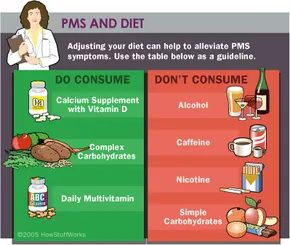

How Diet and Lifestyle Manage PMS Symptoms
We still don’t have a perfect map of exactly how food changes premenstrual syndrome. But the signal is clear enough: what you put on your plate matters. Research points to complex carbohydrates as a quiet hero before your period starts. They help boost serotonin, that neurotransmitter often in short supply during PMS-related depression. Think whole grains, leafy greens, and fiber-rich veggies. Skip the simple carbs. Sugary snacks and white bread might feel like comfort, but they often backfire, triggering water retention, irritability, and worse symptoms.
Timing your meals is just as important as what you eat. Dieticians often suggest switching from three heavy meals to several small ones. Big meals send your blood sugar on a rollercoaster, and that swing can make PMS feel heavier.
Supplements play a role too. A daily multivitamin with folic acid is standard advice, mostly for potential pregnancy, but it’s part of the baseline. Calcium and vitamin D are the real heavy lifters here. Strong bones are good, sure, but they also help ease symptoms. Some studies suggest Vitamin B6 might help with depression, but the jury is out. High doses (500 to 2,000 mg) can damage your nerves, so don’t go overboard.
Foods to Avoid During Your Cycle
If complex carbs are the “go,” these are the “no-go” list:
- Caffeine: It ramps up irritability, nervousness, and insomnia.
- Alcohol: As a depressant, it can deepen the low mood you’re already fighting.
- Salt: It holds onto water, leading to bloating.
- Nicotine: It mimics caffeine’s effects on your symptoms, so ditch it too.
A 2005 study highlighted the power of diet here. Women who consumed at least 1,200 milligrams of calcium and 400 IU of vitamin D daily faced a lower risk of developing PMS. Researchers aren’t 100% sure why, but they suspect calcium’s interaction with estrogen during your cycle is the key. Other theories link PMS to low magnesium or hypoglycemia, but those links remain unproven.
Lifestyle Tweaks That Actually Work
Diet is only half the battle. Milder symptoms often respond to simple lifestyle shifts.
Move Your Body
Exercise increases beta-endorphins, the body’s natural mood lifters. Experts recommend working out at least three times a week. It’s not about becoming an athlete. It’s about reducing anger, fighting depression, and lowering stress levels during those premenstrual days.
Calm the Nervous System
Stress doesn’t cause PMS, but it definitely makes it worse. Techniques like meditation and yoga can interrupt that stress cycle, offering relief where pills can’t always reach.
When Diet Isn’t Enough: Medication Options
Sometimes you need more than kale and yoga. If symptoms persist, medication steps in.
For cramping and minor aches, over-the-counter options like acetaminophen (Tylenol) or ibuprofen (Motrin) do the job. There are also PMS-specific brands like Midol and Pamprin. These usually combine pain relievers with diuretics to push out excess water and reduce bloating.
For more severe cases, particularly Premenstrual Dysphoric Disorder (PMDD), the approach changes. Antidepressants such as sertraline hydrochloride (Zoloft) or fluoxetine (Prozac, Sarafem) can help manage the deep depression associated with PMDD. In extreme cases, birth control pills might be prescribed to stop ovulation entirely, effectively putting the hormonal cycle on pause.
Understanding PMDD
Most women know the drill: irritability, bloating, cravings. But 3 to 5 percent of menstruating women experience a more intense, debilitating version called Premenstrual Dysphoric Disorder. Whether PMDD is a distinct condition or just severe PMS is still debated, but it is a real diagnosis for some.
To qualify for a PMDD diagnosis, you must experience at least five specific symptoms between ovulation and menstruation. Crucially, one of them must be:
- Markedly depressed mood
- Noticeable anxiety or tension
- Sudden sadness or tearfulness
- Persistent anger or irritability
The other symptoms can include losing interest in activities, low energy, appetite changes, insomnia, fatigue, headaches, joint pain, bloating, weight gain, or breast tenderness.
Doctors often prescribe a variation of Prozac called Sarafem to tackle the emotional weight of PMDD. It’s not a cure, and it’s not for everyone, but for those in the 3-5 percent, it can be the difference between surviving the week and actually living it.


