



Jamaican food is a vibrant blend of flavors, influenced by African, European, and Asian culinary traditions. These dishes are often hearty, spiced, and perfect for cold weather, with Scotch bonnet peppers being a staple ingredient. Rising meat costs in Jamaica mean that some traditional meals are now reserved for special occasions, but the core techniques and tastes remain. Here’s a breakdown of nine recipes that capture the essence of Jamaican cooking:
Зміст
Stew Peas: A Hearty Coconut-Infused Stew
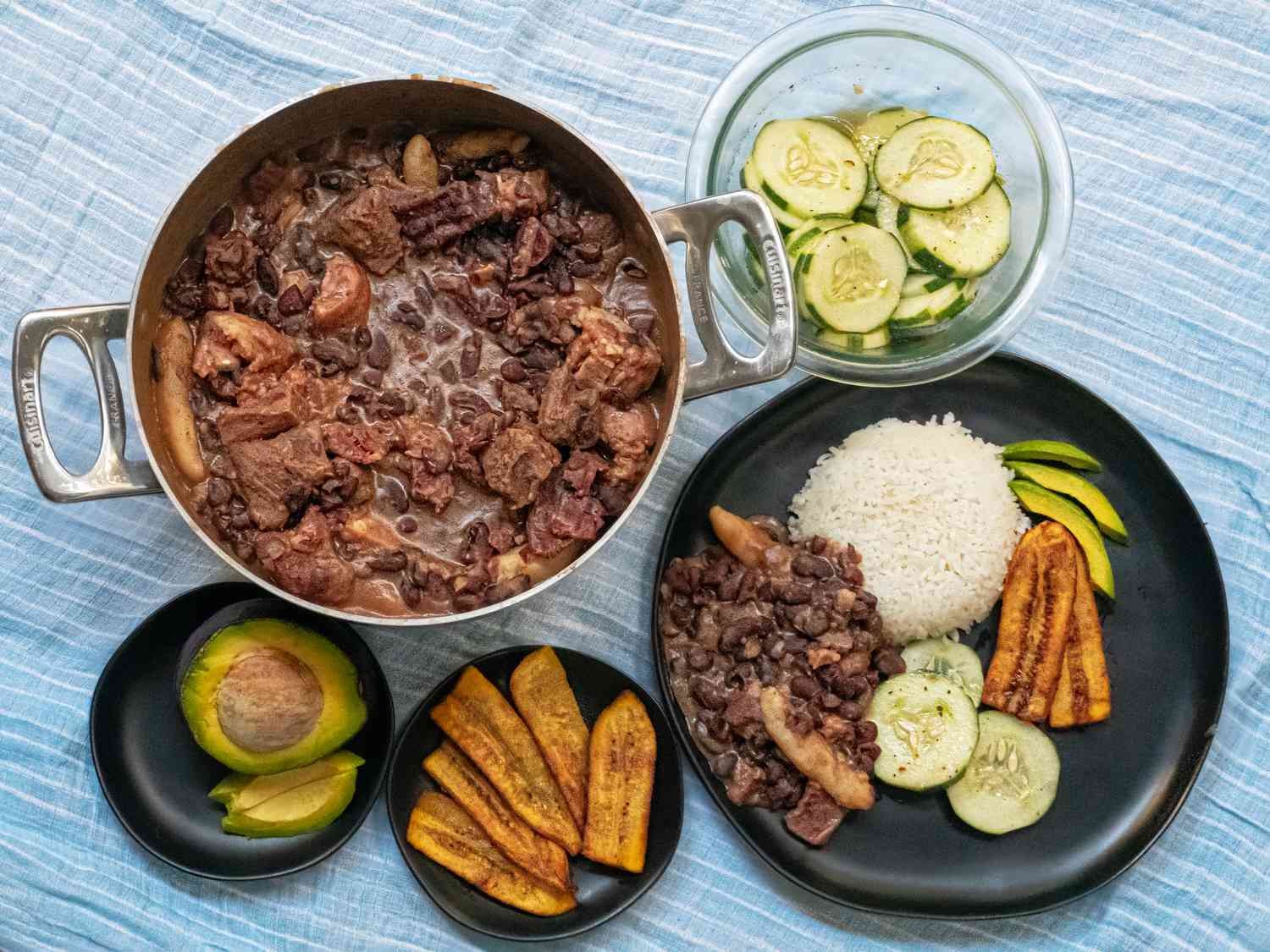
Stew Peas is a quintessential Jamaican dish, featuring red kidney beans simmered in creamy coconut milk. The long cooking time allows the beans to absorb deep flavors from thyme and, crucially, Scotch bonnet peppers. Traditionally, salted beef or pig tail is added for umami and saltiness, but it’s equally delicious as a vegetarian option. The inclusion of “spinners” (flour dumplings) makes this stew even more filling.
Why it matters: This dish represents the resourcefulness of Jamaican cuisine, using simple ingredients to create a satisfying meal. The use of coconut milk reflects the island’s agricultural abundance.
Oxtail: Braised to Perfection
Jamaican Oxtail with broad beans was once a daily staple but is now often reserved for celebrations due to rising meat prices. The preparation involves marinating the oxtail in bold aromatics and Scotch bonnet before braising it for hours. This slow cooking process tenderizes the meat and deepens the flavors.
Why it matters: The shift from everyday meal to special occasion highlights the economic realities facing many Jamaicans. The braising technique demonstrates a commitment to maximizing flavor through time and patience.
Curry Chicken: A Simpler, Yet Flavorful Option
Jamaican Curry Chicken is a more accessible curry dish compared to curried goat. The chicken is marinated in a blend of lemon, curry powder, ginger, and Scotch bonnet before being cooked. Adding coconut milk gives the curry a creamy texture that balances the spices.
Why it matters: This recipe illustrates how Jamaican cooks adapt traditional dishes to make them more approachable while retaining core flavors. The inclusion of coconut milk adds a layer of richness and complexity.
Peas and Rice: A Legacy Dish
Jamaican Peas and Rice is a cornerstone of Caribbean cuisine, with roots stretching back to the era of the transatlantic slave trade. The dish’s reddish-brown hue comes from kidney beans boiled in coconut milk, seasoned with Scotch bonnet, thyme, scallion, ginger, and garlic.
Why it matters: This dish is a historical marker: a reminder of the brutal conditions that shaped Caribbean food culture. The enduring popularity of Peas and Rice speaks to its cultural significance.
Pepperpot: West African Roots with Jamaican Spice
Jamaican Pepperpot is a nutrient-rich soup with West African origins. Traditional recipes use salted pork and beef, but modern versions may include pickled pig tail and beef chuck for deeper flavor. Taro leaves (or kale/spinach) add color, while scallion, garlic, thyme, and Scotch bonnet provide robust seasoning. Spinners are added to make it even heartier.
Why it matters: This dish exemplifies the fusion of cultures that define Jamaican cuisine. The inclusion of salted meats reflects historical preservation techniques.
Beef Patties: Savory Pastries with a Golden Crust
Curried Jamaican Beef Patties are savory pastries filled with seasoned ground beef. The crust traditionally gets its yellow color from fat rendered during curried goat preparation, but curry powder is often used instead. Two sticks of butter ensure the crust remains rich and flaky.
Why it matters: The patty is a cultural symbol, widely available throughout the Caribbean. The use of butter highlights the importance of texture and richness in Jamaican baking.
Pepper Shrimp: Fiery and Vibrant
Jamaican Pepper Shrimp are known for their bright-red color, traditionally achieved with food coloring but now often made with annatto powder and oil. Scotch bonnet peppers deliver the signature heat, which can be adjusted to taste.
Why it matters: The vibrant color is a visual cue for the intense spice level. The shift toward natural coloring reflects a growing preference for authenticity.
Beef Stew: Colonial Influences and Fiery Heat
Jamaican Beef Stew with Rice blends indigenous and colonial influences. Deeply browning the beef before slow-cooking it builds flavor complexity. Habaneros add both heat and subtle fruitiness.
Why it matters: This dish showcases how Jamaican cuisine has evolved over time, incorporating elements from different cultures while maintaining its unique identity.
These recipes demonstrate the depth and complexity of Jamaican cooking: a culinary tradition that embraces bold flavors, slow-cooked techniques, and a rich cultural history. The dishes are a testament to resourcefulness, adaptation, and the enduring power of food to connect people to their heritage. From hearty stews to fiery shrimp, Jamaican cuisine offers a vibrant experience for any palate.