
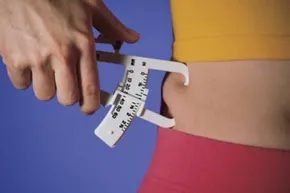
Olivia Ward didn’t go on The Biggest Loser just for the TV fame. She went because a doctor told her she couldn’t get pregnant otherwise. She had polycystic ovary syndrome (PCOS), a condition that causes infertility and is far more common in women with higher body weight. At 261 pounds, she was told her odds were slim. She lost nearly half her weight on the show.
You might not be on national television. But the struggle is real for millions. About 34 percent of American adults are obese. That number matters. Obesity is defined as being more than 20 percent over the recommended weight. It is a known risk factor for infertility in both women and men.
So, does being heavy stop you from conceiving? Not always. But it can. If you want to get pregnant, diet and nutrition changes might be the first step. Not a reality show diet. A sustainable one.
Зміст
Is there a link between obesity and infertility?
The connection is getting harder to ignore. Evidence is piling up.
Research shows spontaneous pregnancy drops as a woman’s body mass index (BMI) goes up. Once a BMI hits 29, the odds shift. Severely obese women are 43 percent less likely to get pregnant naturally compared to those at an average weight or just slightly overweight.
Men aren’t off the hook either. A Danish study looked at sperm quality. Men with a BMI over 25 had 22 percent lower sperm concentration. Their sperm count was down 24 percent compared to men at a normal weight.
Notice the difference? Female fertility issues often start showing up when a BMI is over 30. Male fertility troubles can begin when a BMI is just 25. That’s considered “overweight,” not obese.
The takeaway is simple. If you and your partner are carrying extra weight, losing some could boost your chances of conception. It’s not just about the woman’s body. It’s about both.
Why Preconception Weight Is Important for Fertility
How exactly does weight mess with fertility? Science is still figuring out the specifics. It’s complex. But we know a few key ways obesity impacts the process.
PCOS is a major factor. As mentioned, this endocrine disorder is common in obese women. The ovaries produce too many male hormones. This prevents them from releasing fully mature eggs. No mature egg means no pregnancy.
Excess estrogen is another issue. Fat tissue produces estrogen. Too much of it can hurt sperm production in men. In women, high estrogen levels can stop an embryo from attaching to the uterine wall. Even if you ovulate, the embryo might not implant.
These are just two mechanisms. The body is complicated. But one thing is clear: weight matters.
Why Being Too Skinny Is Worse for Fertility Than Being Obese
Think being thin solves the problem? Think again.
Giuliana Rancic, a celebrity news reporter, talked about her infertility struggles on TV. Her doctor advised her to gain weight. She wasn’t obese. She was too thin.
Very thin women often have a harder time conceiving than obese women. A study looked at women undergoing in vitro fertilization (IVF). They were split into three groups: very thin, normal weight, and obese.
The results were stark. Women at a normal weight had a 50 percent success rate. Obese women had a 45 percent success rate. Very thin women? Only 34 percent.
Low body weight can also stop natural conception. It can lead to amenorrhea. That’s the medical term for missing periods. If you aren’t having a period, you aren’t ovulating. Even if you do get a period, it might be irregular. Irregular ovulation means you miss your fertile window.
Men can struggle with low weight too. Being underweight can lower sperm count, just like being overweight does.
Don’t assume you’re safe because you’re slim. If your BMI is under 18.5, you might need to gain weight. Talk to a dietitian or a trainer. Find a healthy regimen.
Weigh Your Options
Timing is everything. If you’re in your 20s and obese, losing weight is a smart move. It improves your odds.
But if you’re over 35? The clock ticks faster. Experts say you should try to conceive as soon as possible. You can still try to lose weight. Just don’t delay starting your family while you do.
Fertility isn’t just about hitting a number on a scale. It’s about health. It’s about balance. It’s about knowing your body.
Where do you stand?
Beyond the Scale: Actual Habits That Help You Conceive
If your BMI is hovering around 30 or higher, the CDC flags it as a range that can complicate conception. But here’s the thing: weight is just the starting line, not the whole race. If it were the only factor, fertility clinics would be empty. They aren’t. You can tweak your lifestyle to stack the odds in your favor, even if your numbers look “perfect.”
Both partners need to get serious about the basics. It’s not just about women changing their diets. Men need to step up too.
- Fix your nutrition. Whole foods win. Processed junk loses.
- Dial down the stress. Cortisol doesn’t help ovulation.
- Drop the cigarettes. Smoking damages eggs and sperm alike.
- Cut the booze and caffeine. Moderate is fine. Excessive is risky.
- Watch your environment. BPA, pesticides, and other toxins linger in your system.
- See your doctor. Regular checkups catch issues before they become barriers.
Exercise is tricky. You want to move, but you don’t want to overdo it. Vigorous, high-intensity training can suppress progesterone in women, messing with ovulation. For men, going too hard can drop testosterone levels. Keep it moderate. Stick to steady, manageable workouts.
Men have their own specific hurdles. Abstaining from sex for several days can actually degrade sperm quality. Fresh is better. Also, watch out for medical red flags. Low testosterone or varicoceles (swollen veins in the scrotum) need a doctor’s attention. Don’t ignore them.
And yes, the eternal debate: boxers or briefs? Science hasn’t given a definitive winner. But logic suggests boxers. Cooler temperatures generally favor sperm health. It’s an educated guess, but a sensible one.
Where to Find More Support
If you’re looking for deeper dives, the resources in the next section cover the science and the strategies. There’s a lot to unpack when you’re ready for the next step.