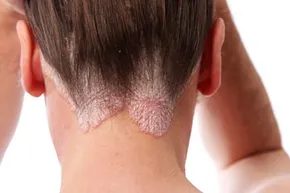

Let’s be honest. There is a specific kind of panic that sets in when you look in the mirror and see your skin looking dull, patchy, and dry. The reaction is almost automatic. You retreat to the bathroom. You line up cleansers, toners, and five different nighttime creams. It feels like a ritual. It feels like you are doing something.
It is also likely doing nothing for your skin barrier.
You are not alone in this. Millions of people try to fight xerosis (the medical term for dry skin) by weaponizing their bathroom cabinets. But treating flaky, scaly skin rarely requires a complex regimen. Often, it just requires cooler water and a smarter cleanser. If you simplify your routine, you might find relief faster than you think.
Зміст
Why Your Skin Barrier Is the Real Issue
Your outermost layer of skin is your first line of defense. It holds protective oils that keep out harsh elements like wind, sun, and pollution. When you strip these oils away, your skin loses its ability to hold water. This is why over-washing or using the wrong products makes dryness worse.
The beauty industry sells a complex solution because complexity sells. But you don’t need five products. You need the right ingredients.
Moisturizing That Actually Works
If you hate the idea of a ten-step routine, good. You don’t need one. Daily moisturizing for dry skin is most effective when it is simple and consistent.
Keep a bottle of oil in the shower. Apply it while your skin is still damp. Pat yourself dry. That’s it. Or, leave a pump bottle of lotion by the sink. A quick dollop after washing is all you need. Consistency beats complexity every time.
Not all moisturizers are equal. If you have extremely dry patches, look for lotions containing shea, olive, or cocoa butter. These ingredients create a physical barrier that locks moisture in and keeps environmental irritants out. For thick, problem areas like heels and elbows, use an ointment or a thicker lotion.
Sensitive skin requires a different approach. If you are prone to acne, eczema, or dermatitis, harsh scrubbing or strong cleansers will inflame your skin further. Look for labels that say noncomedogenic, meaning it won’t clog your pores. Ingredients like mineral oil, avocado oil, and primrose oil are generally gentle.
Also, watch out for age-defying creams. Many contain alpha-hydroxy acids (AHAs). While these can smooth wrinkles, they can also cause excessive drying. If you use them, add a sunscreen with an SPF of 15 or higher. Sun damage dries out delicate facial skin even more.
The Soap Trap
Think of your skin like a fine wooden table. The wood has natural oils. The finish protects those oils. If you scrub that table with harsh chemicals every day, you strip the finish. The wood dries out. Cracks appear.
Your skin is the same. Harsh cleansers damage the outermost layer. This forces your skin to overproduce oil in a panic, leading to a cycle of dryness and breakouts.
Steer clear of antibacterial soaps and deodorant bars. They are too aggressive for daily use on dry or sensitive skin. Choose gentle body and facial cleansers instead.
Water is essential, but too much of it, or water that is too hot, is the enemy. Limit showers to one ten-minute session a day. Keep the temperature cool to warm, never hot. Excessive bathing strips the protective oils your skin needs to stay hydrated.
A Note on Ingredients and History
When reading labels, you will see a lot of acids. It is confusing, but understanding them helps.
- Salicylic acid: Exfoliates. Improves texture and color.
- Kojic acid: Lightens skin. Prevents brown pigment production.
- Alpha-hydroxy acids: A family of acids that reduce wrinkles and shrink pores.
Be careful with these. They are powerful tools, but they can exacerbate dryness if your skin barrier is already compromised.
Historically, soap was made from lye and animal fat, boiled until it became a liquid, then hardened with salt. Modern formulations are different, but the principle remains: you are cleaning away dirt, but you must preserve the barrier.
Start simple. Cool water. Gentle cleanser. One good moisturizer. See how your skin responds. You might find you need less, not more.
恢复水润肌肤的日常仪式
如果干燥的皮肤是你的常伴,你实际上可以通过在日常生活中进行一些刻意的、简单的改变来治疗它,甚至可能避免它。 首先将您当前的产品系列整合在一起。 阅读成分列表。 然后,将它们与您的皮肤实际需要而不是营销承诺进行交叉引用。 确保您不仅购买了正确的东西,而且还正确使用了它。
然后,仔细观察你如何清洁皮肤。 如果您每天多次站在热水下十分钟,请停止。 立即地。 热水会去除保持屏障完好的天然油脂。 将除臭肥皂换成保湿肥皂。 除臭棒的设计目的是去除异味; 你想要一些可以增加的东西。
这是一个看似老派但有效的技巧:淋浴后擦干皮肤前,在皮肤上涂抹婴儿油。 在皮肤完全干燥之前不要用毛巾擦干。 让它稍微湿润,涂上油,然后用毛巾轻轻拍打。 您也可以在皮肤仍湿润时大量涂抹乳液。 水被困在保湿霜下面。
脚有鳞? 不,谢谢。 睡前在脚上涂抹乳液,然后穿上一双轻便的棉袜。 你的双手也同样如此。 它们备受摧残。 洗碗之前,请在手上涂抹乳液并戴上橡胶手套。 这听起来有些过分,但你的角质层会感谢你的。
目标是捕获现有的水分,而不仅仅是在干燥层的顶部添加产品。
The reality of the market
Americans spend a lot of money on these solutions. In 2007 alone, sales of skin care, hair care and makeup creams were $8.9 billion. The focus has also changed. Marketers once targeted baby boomers, but now they spend millions of dollars in advertising to appeal to teenagers and young adults. 行业希望人们尽早购买.
If you want to learn more about the science or specific practices, there are several resources available. You can look up medical dictionaries about dry skin and find ways to even out skin texture and tone. We get so many questions about cleansing and moisturizing that we answer them in our own Q&A section.
For people with more severe conditions such as eczema, special bathing and moisturizing techniques are very important. Dry skin requires a different approach than simple winter cracks. Resources from the National Eczema Society, WebMD, and University Health Relations provide detailed guidelines for managing these conditions. Whether you’re spring cleaning or stepping up your winter skin care routine, the advice is the same. 停止剥离皮肤,开始锁住水分.
New products will continue to enter the market. The biology remains the same. Your skin needs water and lipids. Give them both and see the changes.