





For many people, razors are not a problem. Shaving your legs, face or neck will leave you with smooth, fresh skin that looks and feels great. It’s a quick win. But for others, a razor is a declaration of war. Instead of making your skin smoother, it becomes more sensitive, red and bumpy.
Men can usually do this more easily in one way: by growing their hair. The rash on the chin and cheeks was covered with a moustache. Women don’t always have this luxury. If you’re prone to shaving, you might have to wear long pants all summer, or your face might swell up and make you look angry.
You can’t always run away from problems. The world has rules. Soldiers shave every day. Women are pressured by society to get rid of leg hair. Those working in hotels must be clean shaven and look clean. If your skin reacts badly to shaving, you are stuck in a routine or job description.
So what exactly is “shave rash” that ruins so many mornings?
It is often confused with razor burning, but these are different things. Razor pimples are direct stings caused by dull or unlubricated blades. This is exciting. Maybe you cut yourself and the microscopic cuts spill sweat or scented lotion. It hurts, but only on the surface.
Shave Eczema – Also known as shave bump, beard skin or medically pseudofolliculitis, this is a different matter. deeper. This happens when the hair you just cut grows back into your “skin”. This causes ingrown hairs. The body treats trapped hair as garbage. It swelled. It turned red. It will be bumpy.
Why does this happen to some people and not others? Can you pull it off without growing a beard that requires its own zip code? The answer lies in how you prepare your skin before the blade touches it.
Зміст
Shave with hot water
The first mistake people make is to think of shaving as a competition. They take razors, wet their faces and leave. This can be a problem if you have sensitive skin or are prone to ingrown hairs.
It is necessary to soften the hair and open the pores. Use lukewarm water instead of boiling water.
This is a real transformation.
Shave after showering. ** Apply steam and warm water to your skin for at least 5 minutes.
Use a warm, wet towel. ** If you can’t shower first, apply a warm towel to the area for a few minutes before starting the shower.
Why? Hair consists mainly of keratin. When it dries, it becomes crunchy and hard. When it absorbs water, it becomes soft and pliable. Soft hair is easier to cut. Clean incisions are less likely to result in sharp, crooked tips that can dig deeper into the skin as they grow.
It’s not just about cleaning the place. You prepare for the battlefield. If the bristles are hard and the pores are closed, it pulls the razor. I’ll pull it. The hair is cut diagonally so that it curls inwards. Changes in hot water
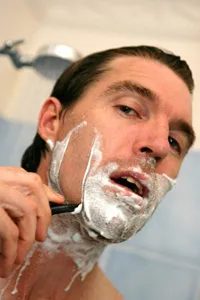
Why is heat your secret weapon against razor bumps?
If you’re tired of waking up in the morning looking like you just lost a battle with a cheese grater, start by reevaluating your shaving routine. The most effective step is not to buy more expensive blades. Before touching the shaver, stand under warm water for a few minutes.
Ideally, shave in the shower or bathtub. Allow the steam and water to come into direct contact with the shaving area for at least a few minutes. It’s not just about cleanliness. It’s all about physics. Warm water can soften the hair shaft. When your hair is soft, it won’t pierce your skin or curl like hard spikes. Behaves more like a flexible fiber.
However, there is a problem. The warm water will make your skin swell a little. With regular shaving, this is not desirable as it skin tightens back down and leaves behind stubble after shaving. But for those wondering how to prevent razor burn, this puff can really come in handy. It lifts the skin to create a cushion and reduces the possibility of cutting too deeply with the razor.
Think old fashioned shaves and Bugs Bunny cartoons. The barber never jumped in with a knife. He pressed a hot, damp washcloth against the face for several minutes. He knew exactly what he was doing. Heat has four different uses that cold water cannot.
Hair stands straighter and easier to cut.
Soothes the skin and gives a feeling of relaxation. If the skin is hard, the razor may go too close.
*Opens pores and keeping them clear. Clogged pores can cause acne, damage the surface of the skin and prevent normal hair growth.
* Curves the tips of the hair into a round shape. If you cut your hair when it is swollen and soft, it will lose its sharpness. If the bristles are not sharp, the hair is unlikely to grow back into the skin.
The right technique is more important than the blade
So what else can help? the right technique. Especially shave in the direction of hair growth. Doing the opposite may give you a baby-soft feeling within an hour, but it can quickly cause irritation.
If you need a second pass, do so with caution. Do not push the shaver down. And don’t stretch the skin. When you tighten and release the skin while shaving, the hair follicle pops back. The ends of the clipped hair can become trapped under the surface of the skin, causing ingrown hairs. This is not just bad luck, but a mechanical failure of the shaver.
If you’re prone to razor burn, switch to a single-blade razor. The marketing claims that the 5 blade system is better. it is not. Multi-blade razors typically lift hairs and cut below the surface of the skin. When the hair recedes, it is cut so short that it cannot push its way out. It curls down. Single blades cut at the surface. Yes, a little stubble remains, but the hairs continue to grow in the right direction.
When to change tools and accept imperfection
Ignoring shaving rash is not a viable strategy. discoloration can take several months. In severe cases, permanent scarring may occur. The pain is real. Cosmetic damage is real. But prevention is easy if you’re willing to adjust your expectations.
Consider using an electric shaver. It’s rare to cut as cleanly as with a hand blade, but that’s about it. An electric shaver is like a lawnmower with adjustable height. You can leave a little bit of hair behind. Thanks to this short length, the hair exit the follicle naturally. It does not curl back. It doesn’t grow inwards.
A five o’clock shadow may not look as pretty as a razor-sharp clean shave, especially on your legs, but it’s often the only way to keep your skin intact. Cleaning certainly helps, but technique and choice of tools really stop the cycle of irritation. The question is, do you value temporary skin smoothness over long-term health.
People intuitively attribute burns to overly aggressive blades. As it turns out, cutting the skin with a razor seems to be an obvious cause of shaving rash. But look at it from another angle. Any angler who has ever sharpened a knife on a riverside rock knows the opposite fact. This means you are much more likely to cut yourself with a dull knife than a sharp one. Razors follow the same cruel logic.
Even if the razor loses its sharpness, the clean lines will not disappear. It will be round. Small, invisible splinters form along the metal. Finish cutting by pulling the damaged edge over the skin. Starting to get stuck. Grab some hair and slide it over others. Add to that the fact that your head is clogged with debris (like flaky skin cells and hair clippings) that can prevent you from shaving. You’re sanding
How to prevent shaving rash with proper tool care
Seems like a hassle, but it’s easy to fix. Clean the shaver after each use. Don’t let the trash build up. If you feel resistance or the blade pulls instead of sliding, discard the blade. There’s no shame in replacing your old blade with a new one just because it’s still attached to your handle. If you use a dirty, dull shaver, you will end up shaving the same area of skin over and over again. That agitation is what triggers the inflammation
The consequences of excess friction are obvious. When your hair is missing, it can stick out unnaturally. But the ones you did hit? They are often cut so unevenly that they curl back as the follicle grows. This can lead to ingrown hairs. Eventually, the skin becomes damaged, softens and becomes covered with hair that never rises to the surface.
“Using a dark, dirty shaver can cause you to shave your skin over and over again, which can lead to skin irritation and an uneven shave.”
Even if you prefer an electric shaver, you are not exempt from this hygiene requirement. You have to take them apart. Clean them An electric shaver that has lost its tension or is clogged with dead skin cells is like a rough stone rubbing your face over and over again. It offers no relief It will only cause more damage.
How to treat existing ingrown hairs
If you already have a severe rash and have time, the best treatment is often to do nothing. Most ingrown hairs will disappear on their own if you stop shaving for a few weeks. The hair continues to grow and coiling tighter like a spring inside the skin. Ultimately, this tension becomes too much for the skin barrier. The hair pops free on its own
Those who cannot tolerate being left in treatment for several days can intervene manually. Use sterile needles or forceps. Look for the exposed ring of hair. Gently pull the ring until the embedded tip detaches from the skin. Don’t dig. Don’t force it. Just enough tension to guide the hair out
Warming the water before you start helps soften the skin and hair. Improving your technique means paying attention to the grain and the pressure you apply. Cleaning your razor is more than just a suggestion. it’s the baseline for not ruining your skin
The next step is to think about how to hold the blade. The angle is more important than you think. And which way are you pulling? This will determine whether you’re left smooth or scratching at a rash for a week.