



Food is often the main event of a trip. You travel to eat. A great meal can define your memories. But bad food? It ruins the vibe. It’s expensive. It’s boring. It feels like a trap.
Avoiding tourist traps is a skill. You need to know what to look for. Experts say the best places have deep roots in the community. The worst places are designed for your wallet, not your taste buds.
Here is how to spot a tourist trap restaurant before you sit down.
Зміст
1. Aggressive Solicitation
If you walk past a place and three people try to pull you in, leave. Immediately.
Taryn Scher calls this “come hither” energy. It’s loud. It’s kitschy. It’s bad.
Chefs agree. Overly enthusiastic hosts are a warning sign. Okan Kizilbayir notes that in Turkey, pushy touts promising discounts are common. It’s a tactic, not hospitality.
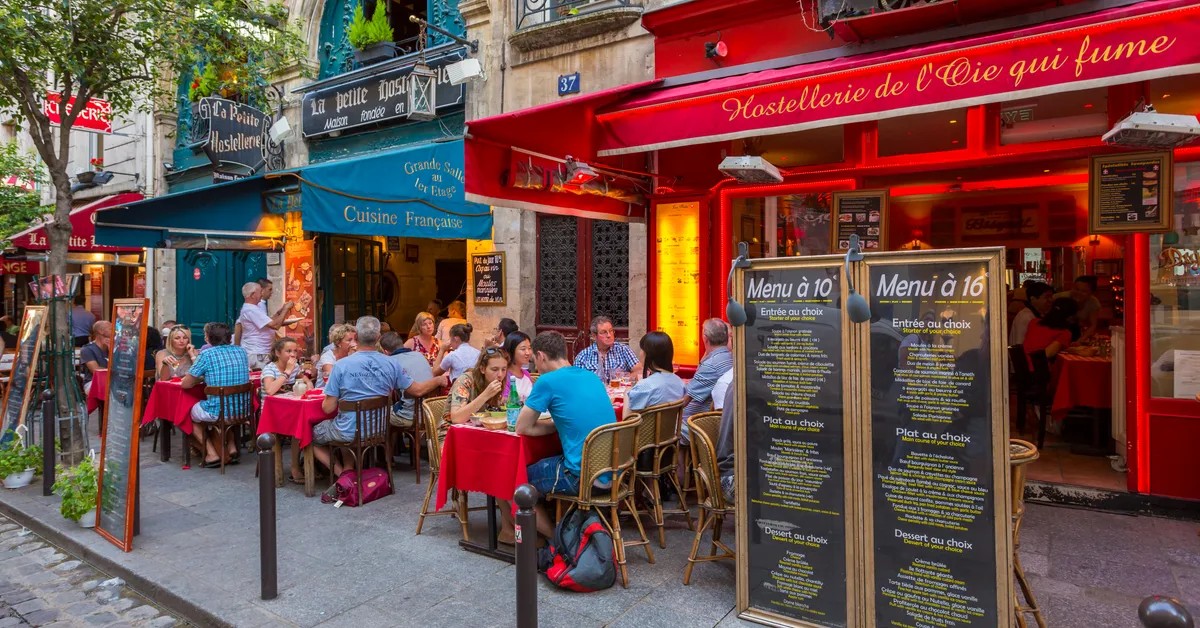
Jared Hucks avoids places on the “beaten path” with multilingual menus in the window. It means they are catering to volume, not quality.
“I walk the other way when I see people standing outside soliciting travelers.” — Hector Santiago
Piero Premoli adds another layer: plastic-coated menus with pictures of the food. Checkered tablecloths are also suspect. These are markers of a place that expects you to have no other option.
2. Prime Location, Predatory Prices
Convenience is dangerous.
Being next to a major landmark sounds smart. It’s usually a mistake. High rent in tourist zones forces restaurants to charge more. To survive, they serve less.
Claudia Martinez points out that large operations with over 200 seats in downtown areas are often corporate. They focus on table turnover, not culinary talent.
Schur agrees. Hyperlocal spots can’t afford that real estate. So if a place is right next to the Colosseum or the Eiffel Tower, the markup will likely reflect that, not the food.
“I want to make sure my money is going to people who put out local cuisine, not corporations.” — Claudia Martinez
Seek out restaurants off the main roads. They often have lower overhead. That means better ingredients for you.
3. The Menus That Have Everything
A giant menu is a red flag.
If a place offers pizza, sushi, tacos, and ribs, they are doing it all wrong. You can’t master every cuisine.
Scher calls this the “Anywhere, USA” menu. It’s generic. It’s uninspired.
Premoli warns about specific dishes like chicken Parmesan or fettuccine Alfredo. These are often Americanized comfort foods, not authentic local cuisine. If you’re in Italy, eat Italian. Real Italian.
Large menus also mean pre-made food. Premoli notes that excessive fried appetizers signal frozen, cheap ingredients. They are quick to serve. They taste like nothing.
Hucks looks for seasonal menus. Places that claim to be everything to everyone are often serving nothing well.
4. Desserts That Look Factory-Made
Martinez, an executive pastry chef, judges a place by its sweets.
Classic cheesecake. Molten lava cake. Key lime pie. These are staples. But are they made in-house? Probably not.
Mass-produced desserts have telltale signs. Slices that look identical. Pictures on the menu. Or worse, display cases filled with generic-looking pastries.
“If there are desserts on the menu with pictures… it usually means they’re supplied by commercial bakeries.” — Claudia Martinez
The decor on the dessert matters too. Whipped cream piped into a perfect star. Mint leaves placed with geometric precision. Powdered sugar on everything. These are shortcuts.
Look at the wine list and cocktails instead. Do they feature local beers? Creative signatures? Or just standard appletinis? A focus on local craft indicates investment. A focus on mass-market drinks indicates a trap.
5. Spectacle Over Substance
Some places prioritize Instagram over ingredients.
Santiago calls them “stupid tableside shows.” Food served with drama. Fire. Smoke. Lowbrow theatrics designed for video.
They don’t care if the food is good. They care if you post about it.
Shirley is also wary of words like “best” or “amazing” in marketing. Anyone can claim to be number one. But without proof, it’s just hype.
Schur agrees. If a website claims to be the best in the city without context, be skeptical. Real restaurants let the food speak. Trap restaurants use noise to distract you.
6. The Wrong Crowd
Listen to the room.
Kizilbayir avoids places with tour buses. Group tours mean volume. Volume means corner-cutting. Tour guides often get commissions. That’s an incentive to serve bad food to keep the bus schedule moving.
Hucks seeks silence. If you are in a foreign country and hear only English, leave. Go somewhere you don’t understand.
“When I’m eating tapas in Spain, I want to hear my table neighbors speaking Spanish.” — Hector Santiago
Look at the reviews. But be careful. Google reviews can be manipulated. Look for local reviews in the local language.
In Europe, people dress up for dinner. If photos show patrons in shorts and t-shirts at a “fancy” spot, it’s a trap. Locals don’t dress down for traps.
The Verdict
Nearly 70% of travelers say tourist traps ruin their trips. PhotoAiD’s data confirms what chefs already knew: authenticity matters.
You don’t need a perfect meal. You just need a honest one.
Avoid the pushy hosts. Skip the prime real estate. Ditch the huge menus. Ignore the staged desserts. Run from the spectacle. And listen to the locals.
The best meals aren’t advertised. They are discovered.
Go find one.