

Ina Garten doesn’t mess around. When the Barefoot Contessa is making mac and cheese or a grilled cheese sandwich, there is one rule: never use the bagged stuff.
Only freshly grated cheese from her vintage box grater makes the cut.
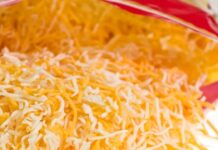
Why? Because pre-shredded cheese isn’t just cheese. It’s a chemical compromise. While convenient, those bags contain anti-caking agents that destroy the gooey, molten texture chefs chase. You can’t get that yard-long pull from a bag bought at the supermarket.
Зміст
Is Pre-Shredded Cheese Actually Good?
The short answer is no—not if you care about texture.
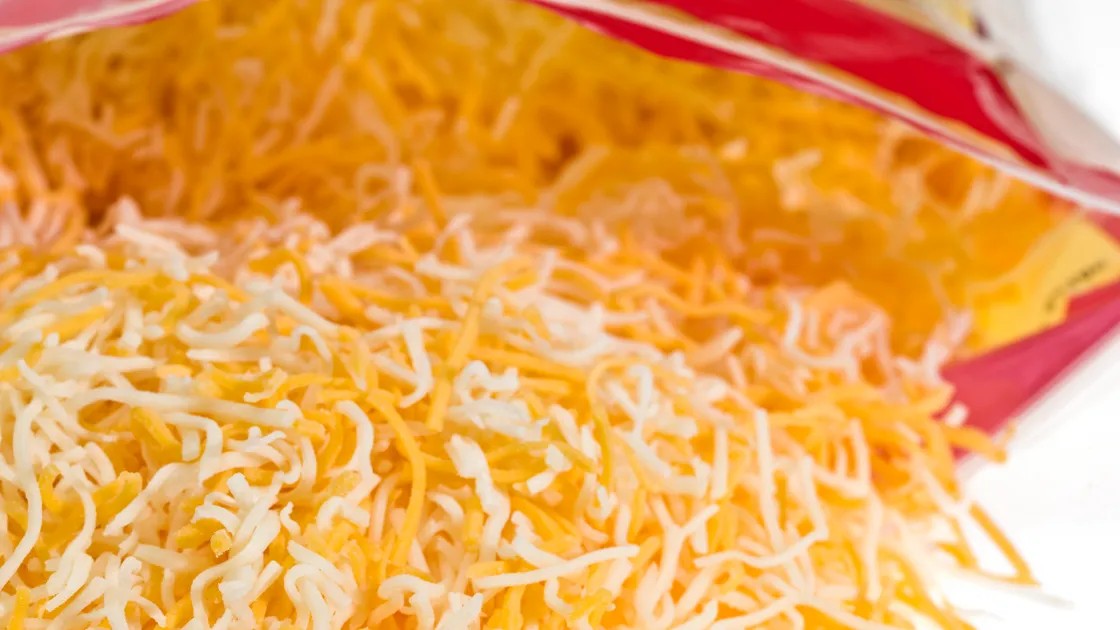
Pre-shredded cheese gets its smooth flow and lack of clumps from additives. Michael H. Tunick, author of The Science of Cheese and a food science professor, points out that these products often include cellulose, corn starch, or potato starch.
“These additions keep the shred from clumping… but they prevent the cheese from fully melting.”
Cellulose sounds alarming. It’s plant fiber, usually derived from wood pulp, cotton, or soybeans. In your cheese, it’s a fine powder. It works. Without it, moisture migration would turn your shredded cheese into a sodden brick at the bottom of the bag. Grace Lewis of the University of Wisconsin-River Dairy Innovation Hub confirms that without these agents, pre-packaged products would be inconvenient and difficult to use.
But here’s the trade-off: the very ingredient keeping your strands separate also stops them from melting together.
Why Anti-Caking Agents Hurt Your Sauce
You are likely asking: how bad is it?
It depends on the dish. If you’re tossing cheese into a taco or onto a burger, the texture won’t matter. The additive won’t hurt you. It’s just extra stuff.
But try putting that same bag into a cheese sauce? Or a fondue? Disaster.
The starches create a barrier. When heated, the cheese doesn’t flow smoothly. Instead of a uniform, creamy mass, you get a slightly chalky texture. The cheese melts slower. It never quite gets that creamy.
Kaya Freiman, brand manager at Cowgirl Creamery, explains it simply: the agents interfere with flow. You might notice it in dishes where cheese is the star. Pizza with a heavy load? A thick grilled cheese sandwich? You will feel the difference.
The Cost vs. Quality Trap
Price doesn’t fix the chemistry.
Registered dietitian Toby Amidor notes that meltability comes down to shred thickness and anti-caking agents, not price point. You can buy premium pre-shredded cheese, but it will still fall short of block cheese.
The thickness of the shred matters more than the cost. Thicker shreds, like those from Tillamook, have more surface area, which helps slightly. But nothing beats fresh.
“If you’re really looking for ultimate creamness and melt, then shred it from a box of cheese.”
When Is Pre-Shredded Cheese Acceptable?
Don’t throw away the bag entirely.
It has a place. Matthew M. Britt, associate professor at Johnson & Wales University, offers a simple rule of thumb.
Want a smooth sauce? Grate your own.
Using it as a topper? Pre-shredded is fine.
It saves time. It’s a successful convenience product for a reason. If you are making a casserole, an omelet, or sprinkling cheese on nachos, the lack of melt won’t ruin the meal. You are sacrificing a little texture for a lot of speed.
How to Choose the Best Pre-Shredded Option
If you’re stuck with the bag, read the label.
You can minimize the impact. Look for brands that use fewer anti-caking agents. Check the ingredient list. Shorter is better. Also, look for specific variety names rather than generic “blend” labels. Higher-quality natural cheese generally starts with better ingredients.
Freshness matters too. A freshly opened package performs better than one that has sat in your fridge for weeks. Moisture builds up over time, affecting how the additives behave.
And remember what Freiman said: a premium shredded cheese can outperform a low-quality block. The quality of the dairy matters more than the format. But the gold standard remains the same.
The Verdict
Minimizing processed ingredients should be a goal. Grating cheese from a block connects you to the dish. It makes you pay attention. It yields better results.
“If you want the best result and melt… grating cheese yourself is the only way.”
But let’s be real. There aren’t enough hours in the day. Sometimes you just need dinner on the table. In those moments, the pre-shredded bag is a valid tool. Just don’t expect it to make a five-star sauce.
So, shred it yourself when you can. Use the bag when you must. Your cheese (and your taste buds) will know the difference.