





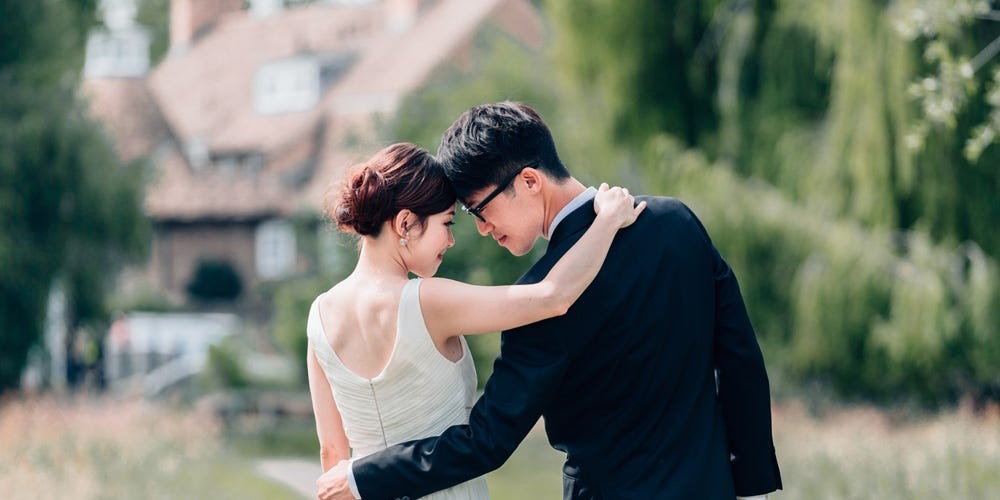
Modern marriage is undergoing a significant shift in timing and preparation. Rather than rushing into matrimony, contemporary couples are opting for extended periods of dating and cohabitation—a trend that may be contributing to more stable, long-term unions.
The New Timeline of Commitment
According to a recent survey of 4,000 recently married couples conducted by the wedding planning platform Bridebook, the average relationship lasts nearly five years (4.9 years) before a wedding takes place.
The data reveals a much more gradual progression toward marriage than in previous decades. The typical timeline follows a structured pattern of milestones:
– Dating: 17 months on average before moving in together.
– Cohabitation: 22 months of living together before an engagement.
– Engagement: 20 months of being engaged before the actual wedding.
In total, most couples spend approximately 3.5 years living together before getting married. Notably, 89% of couples cohabitate in some form before tying the knot, signaling that “testing the waters” through shared living is now the standard rather than the exception.
A Shift in Demographics and Motivations
The delay in marriage is also reflected in the rising average age of newlyweds. There is a stark contrast between current trends and those from 1971:
– Women: Now marry at an average age of nearly 31 (compared to 22.6 in 1971).
– Men: Now marry at an average age of nearly 33 (compared to 24.6 in 1971).
This delay appears to be driven by a desire for intentionality rather than external pressure. The survey highlights a shift toward marriage as a deliberate partnership:
– 85% of couples discussed marriage before an engagement occurred.
– 83% reported feeling no social pressure to marry.
– Most participants cited commitment to their partner as their primary motivation, whereas social pressure, financial stability, or convenience were cited far less frequently.
Is a Longer Lead Time Leading to Happier Marriages?
The data suggests that this “slow marriage” movement may be working. The survey notes that divorce rates are currently at their lowest level since 1971.
Couples who have taken this longer path report high levels of satisfaction:
– 95% would recommend marriage to others.
– 85% believe marriage strengthens their relationship.
– 80% feel a heightened sense of commitment since the wedding.
– 60% report being happier than they have ever been.
Why This Matters
This trend reflects a broader sociological shift: marriage is moving away from being a “starting point” for adulthood and toward being a “capstone” event—a celebration of a partnership that has already been proven to work through years of shared experience and cohabitation. By prioritizing compatibility and communication over social timelines, couples appear to be building more resilient foundations.
While every relationship follows its own unique rhythm, the data suggests that taking more time to navigate the complexities of daily life together before marriage is a key driver in modern marital success.
Conclusion
The trend toward longer dating periods and later marriage ages indicates that couples are prioritizing emotional readiness and partnership stability over traditional social timelines, a shift that coincides with declining divorce rates.