





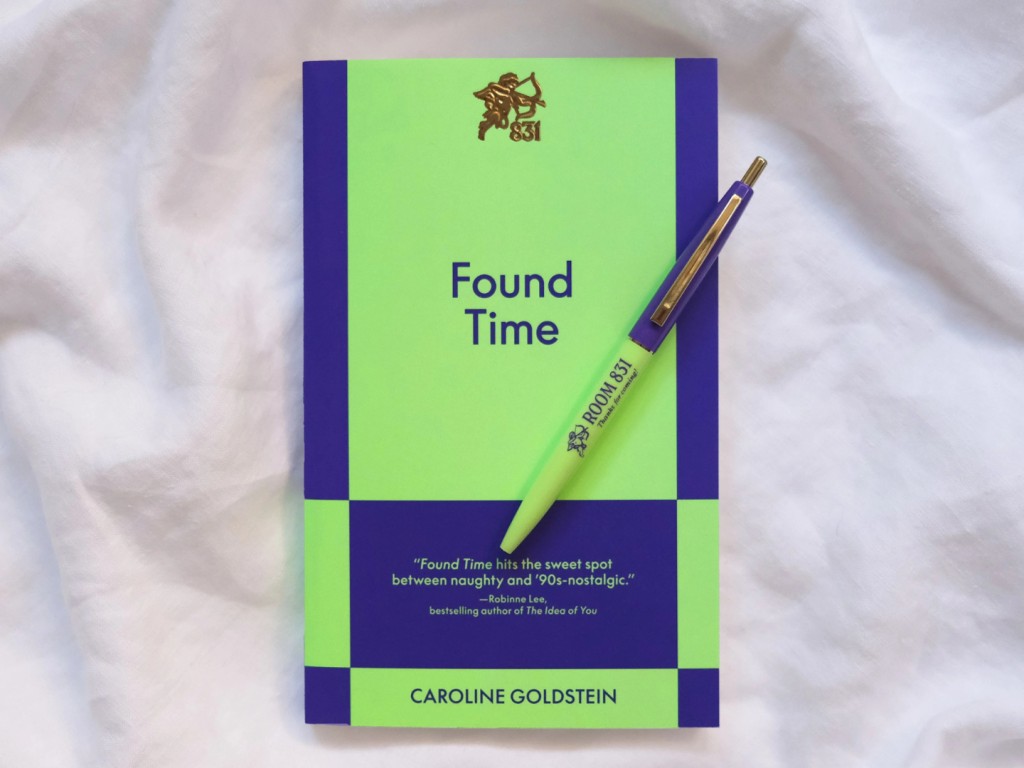
In the world of romance fiction, the “second chance” trope is a staple. However, most stories focus on young adults rediscovering lost love in their twenties. Caroline Goldstein’s new novel, Found Time, shifts this lens toward a demographic often overlooked in popular media: women in their fifties.
A Reunion Three Decades in the Making
The story follows Lili and Reid, two individuals whose lives first intersected in 1993. Their connection began amidst the vibrant, gritty music scene of New York City—specifically at a Jeff Buckley show in the East Village. What started as an intense, whirlwind summer fling eventually dissolved as life pulled them in separate directions.
Thirty years later, the timing is different, but the chemistry remains. Both are now single parents raising teenage daughters, navigating a stage of life defined by more responsibilities and complex emotions than their youth allowed. While the passion is still present, the central conflict of the novel lies in the tension between emotional desire and the practical realities of middle age.
Moving Beyond “Aspirational” Youth
Goldstein’s approach marks a departure from the traditional romance narrative. In an industry often dominated by stories about women in their early twenties, she argues that there is a growing hunger for more mature perspectives.
“It’s not aspirational to me to read about girls who are at the beginning of their lives,” Goldstein explains. “I want to see women who are embarking on these new experiences, and they have the capacity to evolve and change as they get older.”
This distinction is vital for the genre. By focusing on characters in their fifties, Goldstein explores a unique intersection of traits:
– Vitality: The excitement and novelty of a new romantic connection.
– Experience: The wisdom and self-awareness that comes with decades of living.
– Complexity: The “push and pull” of balancing personal happiness with the demands of parenting and established life paths.
Why Mature Narratives Matter
The shift toward writing older protagonists addresses a significant gap in contemporary fiction. While younger romance novels often focus on the “firsts”—first loves, first heartbreaks, first jobs—middle-aged romance explores the “seconds.” It asks how people can reinvent themselves after decades of established identity and how intimacy functions when one is no longer just discovering the world, but actively managing a life.
By infusing Lili with both sexual agency and hard-won wisdom, Goldstein moves away from the cliché of the “older woman” and instead presents a character capable of profound evolution.
Conclusion
Found Time serves as a testament to the idea that romance and personal growth are not reserved for the young. By centering on characters in their fifties, the novel highlights the depth and complexity of finding love when life is at its most complicated.