





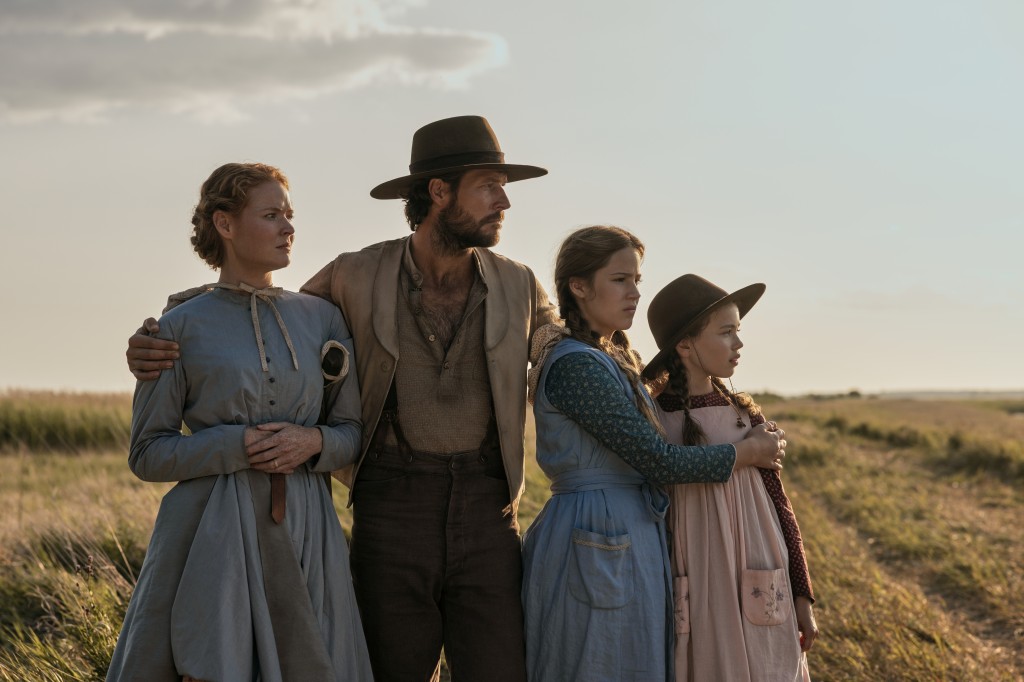
The new Netflix version of Little House on the Prairies works. It hits you with emotion and cinematic flair. Even if you love the original series, this adaptation holds up. It respects the Osage Nation land context head-on. It avoids being cloying. Instead of just wholesome, it feels real. Hard.
Charles and Caroline Ingalls face stress. Poverty hits. Winter bites. Their daughters Mary and Laura navigate tween life in a high-pressure environment. You might expect tension. Strain. Maybe shouting.
Instead? The parents are steady. Firm. Loving. They make mistakes but own them. They raise kids who grow into capable adults. Why does this work so well in a reimagined story?
It aligns with modern expert advice on raising confident, resilient children. Here is how they do it.
Зміст
Shoulder to Shoulder: How to Talk Without Interrogating
Charles suspects trouble. Mary and Laura are fighting. He knows something is wrong. Does he corner his eldest? Pepper her with questions? Force eye contact until she cracks?
No.
He sits next to her. They work on a Christmas ornament. They stare into the fireplace. Silence stretches. Mary eventually speaks. She asks about something else. Then she opens the door. She tells him about the fight. He listens. Gently. No pressure.
This technique has a name now. Clinical psychologist Dr. Sheryl Ziegner calls it the “shoulder to shoulder” method. It’s effective for a reason. Direct questioning can feel like an interrogation. It spikes anxiety. It shuts kids down.
“For some kids, looking you in the eye after a tough day feels intimidating.”
Try the alternative. Drive with them. Cook alongside them. Walk in step. Talk about random stuff first. Let them drift into the real topic. You’ll get more truth that way. Less defense.
Why Parents Shouldn’t Be Their Teen’s Best Friend
Caroline is warm. She loves her girls. But watch her closely. You will not see her venting about money troubles. No tears about harsh winters. No gossip about her sister’s drama.
She maintains boundaries. Even while connecting.
Many modern parents try too hard. They want to be friends with their kids. They overshare. They seek emotional validation from adolescents. It’s a mistake. Lisa Damour, author of best-selling guides on adolescent life, warns against this blurring of roles.
Teenagers are delightful, sure. But their job is independence. They need to practice relying on peers. Mentors. Eventually, partners. If the parent is the best friend, the teen feels responsible for the parent’s mood. It’s a heavy load. It creates guilt.
When college time comes, or independence starts, those kids feel stuck. They worry about leaving a friend behind, not just a parent. The Ingalls family makes the lines clear. Charles and Caroline are parents. Mary and Laura are kids. The distinction allows both to thrive.
Keeping Money Secrets vs. Creating Financial Anxiety
Scarcity visits the Ingalls home. Mary feels it. The air gets thin. Laura notices the sparse Christmas tree. Debt hangs over the house. Yet, the parents keep a lid on it.
Is hiding finances good? Bad?
Jean Chatzky, CEO of herMoney, suggests a middle path. Kids need to know they are safe. Financial chaos creates background noise. It creates anxiety that isn’t theirs to solve. But total silence sends a message too. It screams “this is shameful” or “this is too scary for you.”
The parents here walk a fine line. They explain the situation simply. Christmas will be different. It won’t be like back home. They don’t hide the reality. They hide the panic.
“Whatever you are not talking about speaks loudly.”
Charles tells Mary “everything’s fine” during one particularly tough stretch. He might be overshooting the “calm parent” goal. But generally? The family shares enough context to demystify the hardship, but not enough to burden the children with adult debt worries.
Building Resilience Through Free-Range Independence
The prairie is dangerous. Wolves prowl. Rough drifters ride through town. There are no smartphones. No GPS. No one to call if things go sideways.
Charles and Caroline let Mary and Laura play anyway. They explore. They pitch in with chores that seem heavy for their arms. They face consequences. They solve problems.
This is “free-range” parenting before the term existed. Lenore Skenazy cofounder of Let Grow argues that overprotection steals pride. When parents hover, they remove the opportunity for accomplishment. They become the buffer. The solver. The doer.
Let them fail. Let them get lost. Let them figure it out. The terror parents feel is temporary. The pride kids feel is lasting.
Laura helps haul. Mary reads by firelight. They stand together when things get tough. Their parents watch. They hesitate, sure. They worry. But they step back. And the kids rise to the occasion. Every time.