



While many people focus on digital detoxing or room temperature to improve their sleep, medical experts suggest that dietary choices play an equally critical role. What you consume in the hours leading up to bedtime directly influences your ability to fall asleep, the depth of your rest, and how often you wake up during the night.
According to medical professionals Dr. Danbee Kim and Dr. Barbara Sparacino, optimizing sleep requires a strategic approach to both food selection and timing.
🌙 The Sleep-Promoting Superfoods
Certain foods contain natural compounds that interact with your body’s biological rhythms, helping to trigger the relaxation necessary for deep rest.
- Kiwi: Often cited as one of the most effective sleep aids, eating two kiwis an hour before bed can improve sleep onset and duration. This is largely due to their serotonin content, which serves as a precursor to melatonin, and their antioxidant properties.
- Tart Cherries: These are a rare natural source of melatonin, the hormone responsible for regulating your circadian rhythm. They also contain tryptophan and anthocyanins, which support the body’s natural sleep pathways.
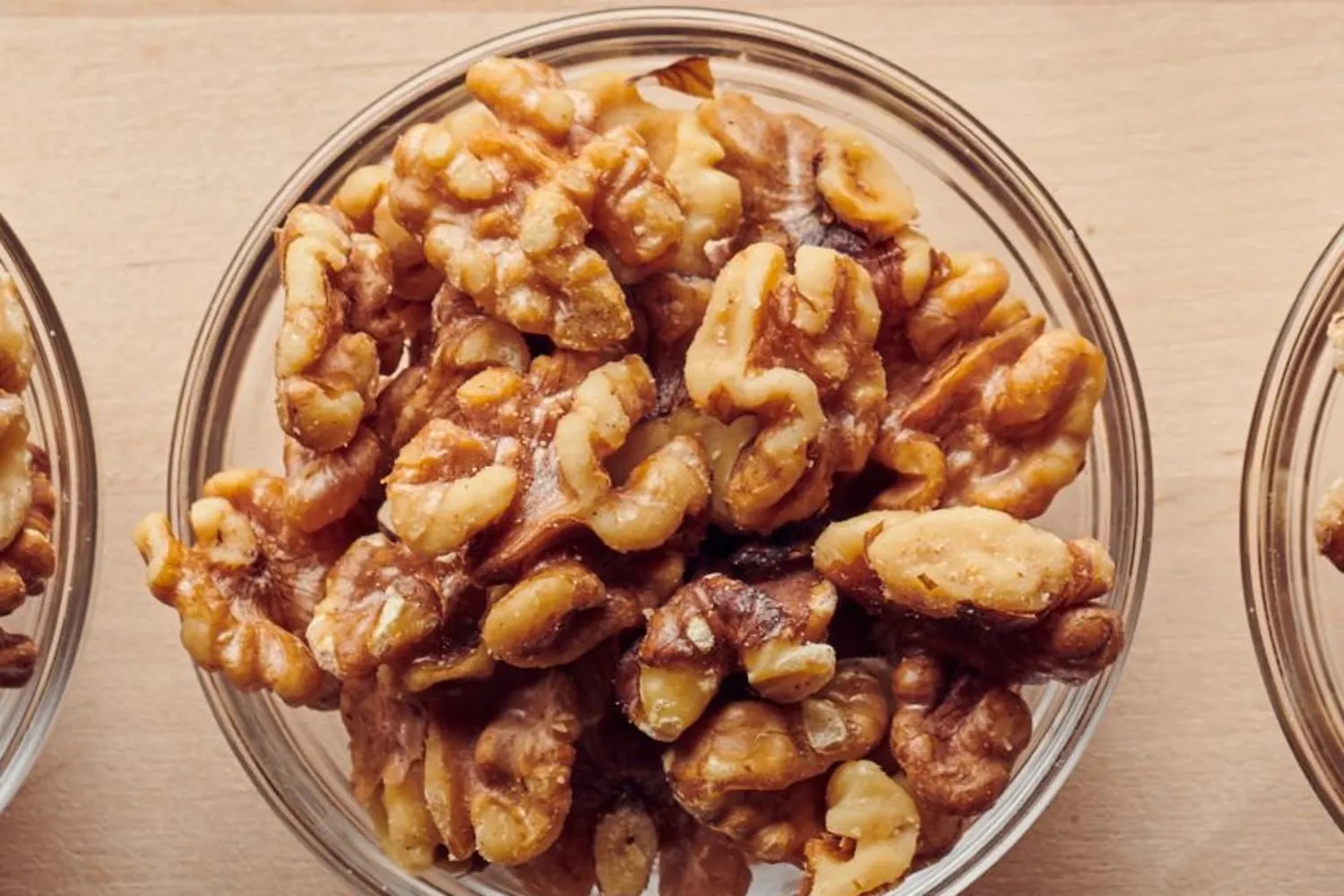
- Nuts (Almonds and Walnuts): A small handful of nuts provides a “triple threat” of sleep support: melatonin, magnesium, and healthy fats. Magnesium is particularly important as it helps regulate GABA, a neurotransmitter that calms the nervous system and promotes muscle relaxation.
- Light Snacks: If you are hungry before bed, experts suggest small portions of Greek yogurt, bananas, or whole grains. These options provide magnesium, potassium, and tryptophan while helping to maintain stable blood sugar levels throughout the night.
🚫 The Sleep Disruptors
Conversely, some common evening habits can act as “stealth” disruptors, making you feel tired initially but preventing restorative sleep later.
- Alcohol: While a nightly drink might seem to help you “wind down,” it is one of the most misunderstood sleep disruptors. Alcohol suppresses REM sleep and increases nighttime awakenings, leading to fragmented, low-quality rest.
- Caffeine and Stimulants: This includes coffee, tea, and even dark chocolate. Caffeine has a long half-life and can delay sleep onset even if consumed several hours prior. Dark chocolate is a double threat, as it contains both caffeine and theobromine.
- Heavy, Fatty, or Spicy Foods: Greasy meals force the body to work hard on digestion when it should be resting. Spicy foods are particularly problematic because they can raise your core body temperature —which must drop for sleep to occur—and trigger acid reflux when you lie down.
🕒 The Importance of Timing and Habits
The way you eat is just as vital as what you eat. To maximize sleep quality, consider these professional guidelines:
- The 2–4 Hour Rule: Aim to finish large meals at least two to four hours before bed. This allows for gastric emptying and prevents metabolic activity from interfering with the body’s “rest and repair” phase.
- Portion Control: If you must eat close to bedtime, stick to small snacks rather than full meals to avoid reflux and discomfort.
- Fluid Management: Avoid drinking large amounts of liquid right before bed to minimize nighttime bathroom trips, which frequently fragment sleep cycles.
- Consistency is Key: Beyond diet, maintaining a regular sleep-wake schedule—and getting natural sunlight shortly after waking—helps anchor your internal biological clock.
“Sleep is a behavior as much as it is a biological state, so consistency matters more than perfection.” — Dr. Barbara Sparacino
Conclusion: To achieve restorative sleep, prioritize foods rich in magnesium and melatonin, avoid stimulants and heavy meals late in the evening, and maintain a consistent schedule to support your body’s natural rhythms.