

You have a routine. Morning coffee. A specific sandwich for lunch. A glass of wine to unwind. It’s comfortable. It’s predictable.
But that routine might be quietly fighting your prescription drugs.
It’s not just paranoia. It’s chemistry. Foods and drinks can hijack the enzymes in your body, altering how drugs are absorbed, processed, or excreted. The result? Your medication might stop working entirely. Or worse, it might work too well, causing side effects that land you in the ER.
“We want to make sure that the medication is working as planned,” says Dr. Chris Scuderi, a Florida-based family physician. He warns that ignoring these interactions can lead to serious health issues.
And it’s not just your morning brew. Vitamins and supplements are in the mix too.
Here are the specific food-drug interactions doctors say you need to watch out for right now.
Зміст
The Grapefruit Rule
Grapefruit has a notorious reputation for a reason. It is one of the most common food-drug interactions cited by medical experts.
Dr. Kitty O’Hare, a pediatric specialist at Duke Primary Care, explains that grapefruit binds to a specific digestive enzyme. This enzyme is usually responsible for breaking down certain medications in your gut.
When grapefruit blocks that enzyme, the drug doesn’t get broken down properly. It stays in your bloodstream longer and at higher concentrations. Essentially, you are accidentally overdosing on your prescription.
This affects specific cholesterol statins, certain blood pressure medications, and some psychiatric drugs.
Does this mean you can never eat a grapefruit again? No. It applies only to some medications. But since you can’t tell which ones just by looking at the bottle, you have to ask your doctor. Don’t guess. Ask.
Leafy Greens and Blood Thinners
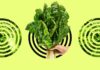
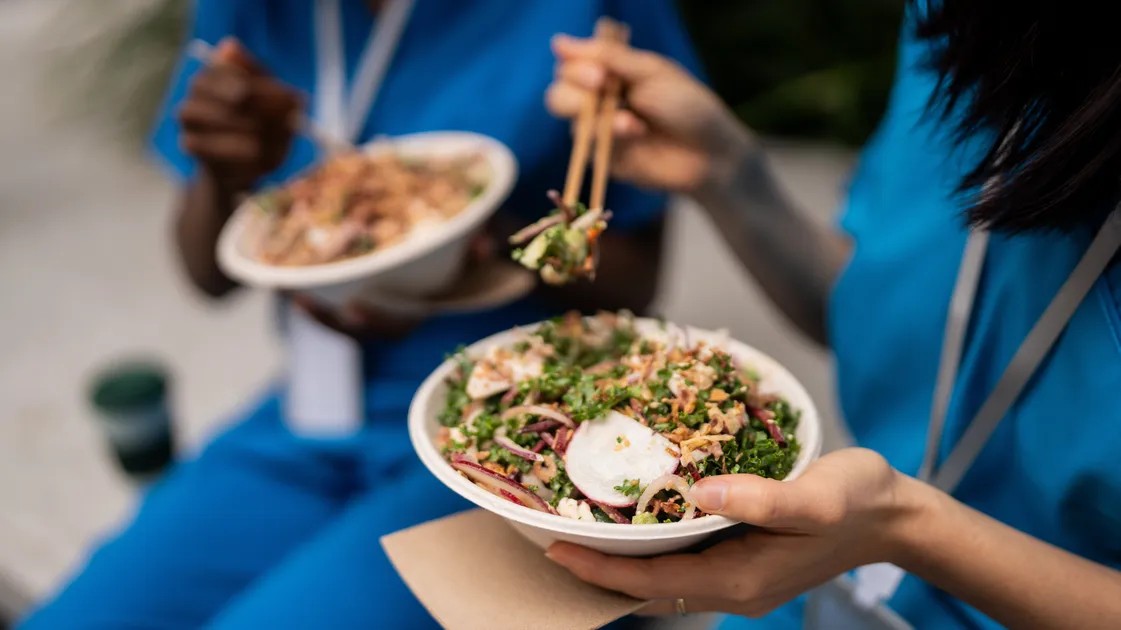
Eating kale is usually good. Eating spinach is healthy. But if you are on blood thinners, your green intake needs to be consistent.
Leafy green vegetables like kale, collard greens, spinach, and broccoli are packed with Vitamin K. Vitamin K helps blood clot. Blood thinners, as the name suggests, stop your blood from clotting.
If you suddenly start eating three salads a day instead of one, you are flooding your system with Vitamin K. Your blood thinner can’t keep up. Your risk of clotting goes up.
On the flip side, if you normally ignore leafy greens and suddenly start a broccoli habit, you might thin your blood too much, increasing bleeding risks.
“Consistency is key,” Scuderi notes. You need to keep your intake of Vitamin K-rich foods stable. Drastic swings in your diet directly change the potency of the drug.
Again, this doesn’t apply to every blood thinner. But it is dangerous enough that you should clarify with your provider if you are taking one.
The Calcium Conflict
Dairy products are a staple for many. Yogurt, milk, cheese. But calcium is a picky roommate when it comes to absorption.
Scuderi points out that dairy can interfere with thyroid medications and osteoporosis treatments.
O’Hare adds that dairy is also problematic with certain antibiotics. The calcium binds to the antibiotic in your stomach. The result? The medication becomes temporarily less effective. Your body doesn’t absorb the full dose. The infection doesn’t clear up.
You might be instructed to separate these medications from dairy by a few hours. Don’t take them at the exact same time unless your pharmacist explicitly says it’s okay.
Potassium-Packing Foods
Some blood pressure meds tell your kidneys to hold onto potassium. Normally, your body flushes out excess potassium. These drugs change that rule.
If your levels get too high, it can cause heart rhythm issues. Dangerous stuff.
This is why doctors worry when patients consume massive amounts of potassium-rich foods while on these specific meds. Bananas. Avocados. Potatoes. Tomatoes.
“Your potassium levels can get too high,” O’Hare warns.
It’s not all blood pressure meds that do this. But if you are taking the ones that do, loading up on avocados for your toast could be a mistake. Check your labels. Ask your doctor.
The Alcohol Question
Alcohol interacts with a vast number of medications. It’s a depressant. Many drugs are depressants too.
Take two depressants, and you get a compounded effect.
“Sleepiness, drowsiness, confusion,” O’Hare lists off the risks. If you’re driving, working, or managing children, that drowsiness is a hazard.
Scuderi is even more blunt about controlled substances. Opioids. Sedatives. Central nervous system depressants.
“If you’re on those types of medications, avoid alcohol,” Scuderi says.
It’s not just about being sleepy. It’s about respiratory depression. Your body’s ability to breathe properly slows down. The mix can be fatal. Even if you aren’t on heavy-hitter painkillers, the combination can amplify side effects you didn’t know you had.
Caffeine and Stimulants
Coffee isn’t always the enemy. But if you are taking stimulants—like those prescribed for ADHD—caffeine is a problem.
You are already giving your nervous system a kick. Adding caffeine is like revving a engine that is already overheating.
Scuderi warns that this combination can increase palpitations. It can cause tremors. It can spike your anxiety levels significantly.
It’s not just coffee. It’s energy drinks. It’s pre-workout powders. It’s the hidden caffeine in pain relievers. If you are on stimulants, cut the caffeine. Your heart will thank you.
The Good News
It’s not all bad interactions. Some foods help.
Consider iron deficiency. Iron supplements can be hard on the stomach and poorly absorbed. But vitamin C helps. That’s why doctors often recommend taking iron with orange juice. The acidity and the vitamin C boost absorption.
Food isn’t just a barrier. Sometimes it’s a bridge.
The Bottom Line
There is no universal rule. Every drug is different. Every body is different.
But the pattern is clear. If you are starting a new prescription, or changing your diet, you need to talk to your pharmacist or doctor.
“Keep your doctor in the loop about what you’re eating,” O’Hare says.
Little changes. Big consequences. Don’t leave your health to chance.