





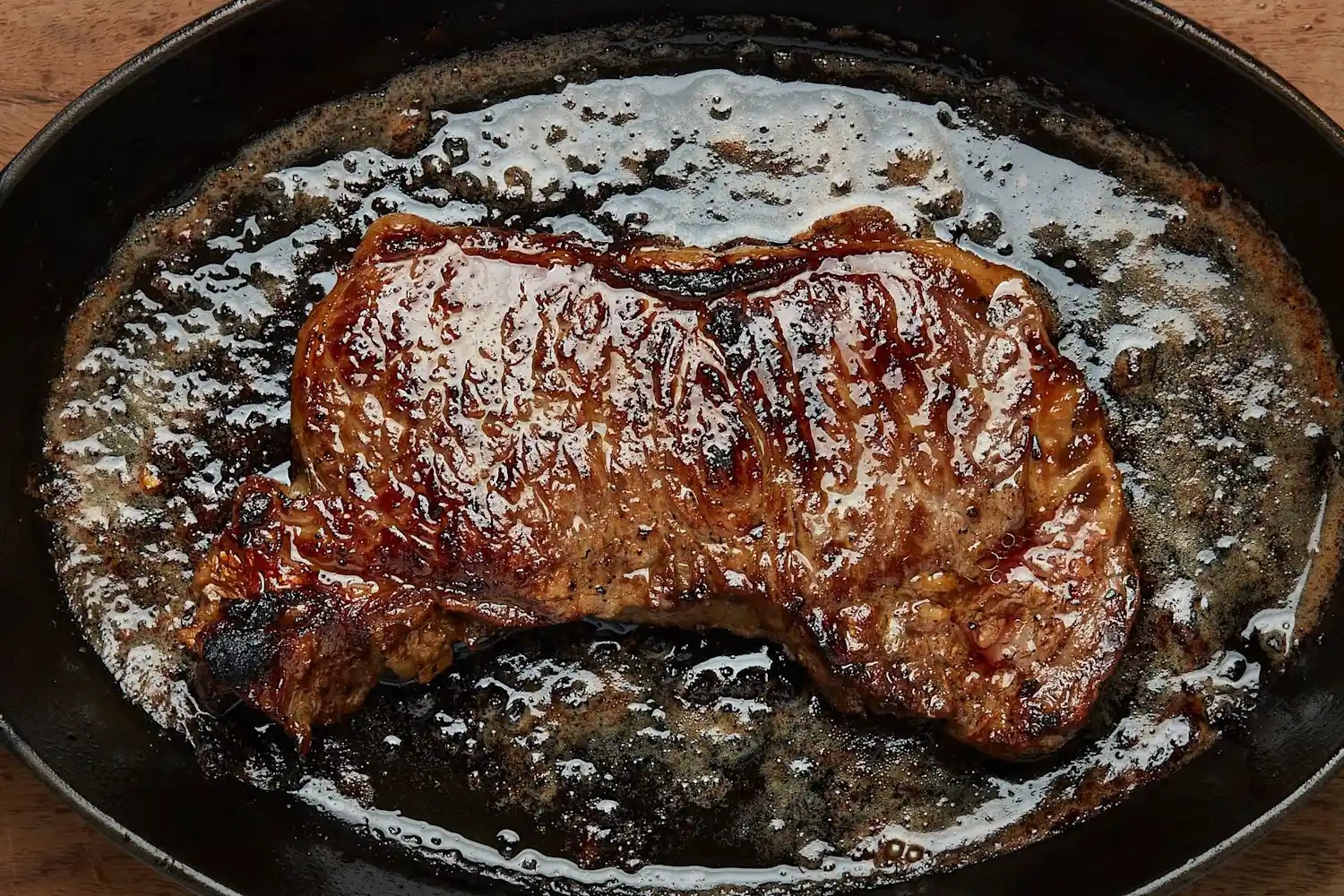
Forget honey, maple syrup, or granulated sugar. For a deeply savory, perfectly caramelized crust on steak, pork, or chicken, the secret lies in an unlikely pantry staple: sweetened condensed milk.
While often associated with desserts like flan, Vietnamese coffee, or shaved ice, this thick syrup is a powerhouse for savory cooking. It offers a superior method for achieving the Maillard reaction—the chemical process that creates complex flavors and browned crusts—without the risk of burning that often accompanies dry sugars.
Зміст
The Science Behind the Sweetness
To understand why sweetened condensed milk works better than traditional sweeteners, we must look at its composition. It is made by removing 60% of the water from fresh milk and adding sugar, resulting in a dense syrup that is 40% to 50% sugar by weight.
When meat is cooked at high heat, proteins and sugars interact to create the Maillard reaction. Using granulated sugar in a marinade can be tricky; the dry crystals can burn quickly, imparting an acrid, bitter taste to the meat before it has fully cooked.
Sweetened condensed milk solves this problem through its high water and fat content. The liquid base allows the sugar to distribute evenly across the meat, while the milk solids contribute to a richer, more nuanced browning. The result is a steak with a beautiful, glossy crust and a flavor profile that balances savory depth with subtle sweetness, whether grilled outdoors or seared in a cast-iron skillet.
A Legacy of Resourcefulness
This technique is not just a modern culinary hack; it is rooted in history. For many Vietnamese families, including the author’s, using condensed milk in savory dishes was born out of necessity. During the Vietnam War and the subsequent post-war era, pantry staples like honey, maple syrup, or even ample granulated sugar were scarce or expensive.
Condensed milk, however, was accessible. What began as a frugal substitution—scraping the remnants from a can to add to meat marinades—became a family tradition. It wasn’t until years later, through the lens of food science, that the author realized this wasn’t just about saving money; it was about achieving a superior culinary result.
How to Make the Perfect Marinade
This versatile marinade works beautifully for beef, pork, and chicken. Below is a foundational recipe that balances salt, sweetness, and aroma.
The Base Recipe (Serves 1 Pound of Protein)
- 1/4 cup Maggi seasoning (or soy sauce/fish sauce)
- 2 tablespoons sweetened condensed milk
- 1 tablespoon oyster sauce
- 1 tablespoon sesame oil
- 1 tablespoon chopped garlic
- 1/2 teaspoon freshly ground black pepper
Instructions
- Whisk the Marinade : In a small bowl, combine all ingredients until smooth and well-integrated.
- Coat the Meat : Place your protein in a resealable bag or shallow dish. Pour the marinade over the meat, ensuring every surface is coated.
- Rest : Cover and refrigerate for at least 2 hours, or up to overnight for deeper flavor penetration. If using a shallow dish, turn the meat halfway through to ensure even absorption.
- Cook : Grill or pan-sear your meat as desired. The sugar content will help form a sticky, caramelized exterior.
- Save the Sauce : Do not discard the leftover marinade. Bring it to a boil in a small saucepan, then reduce heat to low until it thickens into a syrup. Drizzle this reduced sauce over the cooked meat for an extra burst of flavor.
Customizing Your Flavor Profile
The beauty of this marinade is its flexibility. Once you master the base, you can experiment to suit your palate:
- Adjust Salinity : Swap Maggi seasoning for fish sauce, Hoisin sauce, or standard soy sauce. Each brings a different umami profile and salt level.
- Boost Aromatics : For a stronger garlic presence, grate the garlic or run it through a press rather than chopping it. You can also add fresh ginger, lemongrass, or chili flakes for heat.
- Control Sweetness : Start with less condensed milk if you prefer a less sweet profile. Remember, the milk adds both sugar and body, so adjust incrementally.
Why This Matters
In a culinary landscape often dominated by complex sauces and expensive ingredients, this technique highlights the value of understanding basic food chemistry. It demonstrates how resourcefulness can lead to innovation. By leveraging the unique properties of sweetened condensed milk, home cooks can achieve restaurant-quality caramelization without the guesswork or risk of burning.
Key Takeaway : Sweetened condensed milk is not just a dessert ingredient. Its high sugar concentration and liquid base make it an ideal tool for creating savory, caramelized crusts on meats, offering a safer and more flavorful alternative to granulated sugar.
This simple shift in perspective transforms a common pantry item into a gourmet secret, proving that sometimes the best cooking hacks are hidden in plain sight.