




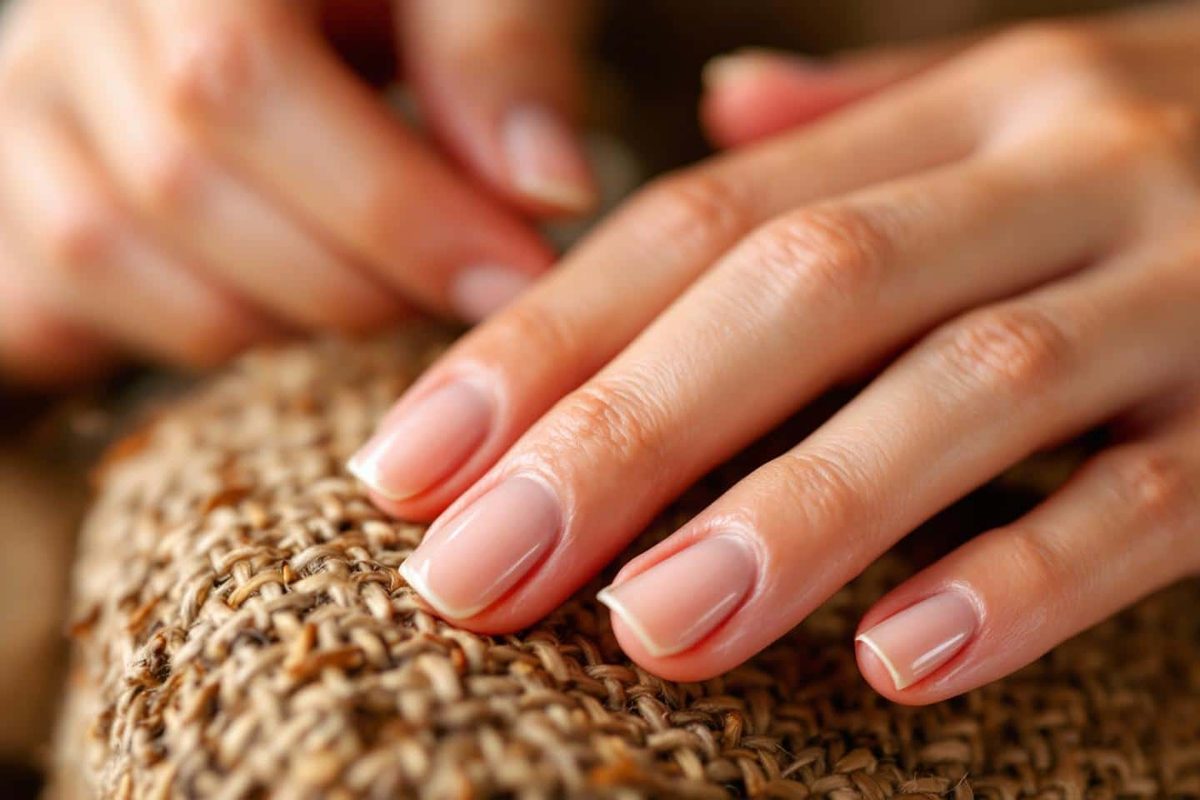
The morning light is merciless. It captures every burr, dull spot and imperfection in your hand. You want a pearlescent shine without polish. You want well-manicured, healthy-looking nails that look like they belong to someone who really takes care of themselves. Not someone who hides problems under layers of paint.
There is a new routine taking over. It’s quiet. It’s simple. And it works.
Зміст
Why your nails need a break from varnishing
The need to cover up is strong. Especially now that the holidays are approaching and the pressure is on at every gathering. But applying the color and then removing it with a remover creates a cycle of exhaustion for your nails.
The surface becomes matte. Striped. Fragile. This is a sign of choking that most people ignore until the nail breaks. Even acetone-free removers dehydrate. The polish itself suffocates the keratin.
Resting your nails is not just about aesthetics. It’s about restoring their basic health. Nails need to breathe. They need oxygen to maintain their strength and shine. As winter brings cold temperatures, frequent hand washing and gloves, it’s time to rethink your manicure routine. Avoid artificial colors. Back to basics.
The real reasons to throw away the bottle
This change is not just vanity. It is ecological. No more disposable bottles. No more disposable pads. Chemicals no longer end up in waste water. Your wallet will also benefit from it. Between products, salon visits, and accessories, traditional manicures add up, salon visits and accessories.
From a health perspective, the cocktail of active ingredients in polishes and removers is important. It affects your nails, your skin and your home environment. The break gives your hands a real break without compromising elegance.
Rediscover the ancient art of natural polishing
The simplest grooming gestures are often the first to be forgotten. Our grandmothers knew how to give their hands a natural shine without a drop of dye or solvent.
A Beauty Practice Returned
Polishing is not a new trend. It’s a centuries-old practice, long before modern polish existed. Using chamois leather or natural powders, they worked gently on the surface of the nail. They smoothed it out. Irregularities were fixed. Revealed its original shine.
This technique is back. Driven by the desire for sobriety and authenticity, it is perfectly suited to our present. It’s not a fad. It is a stylish, minimalistic alternative to a classic manicure.
What polishing actually does to the surface of the nail
Polishing will not weaken your nails if you choose the right tool and pace. The goal is to rub the surface. Remove small dents. Flatten the top. This maximizes light reflection. The result is a shiny, even, almost mirror-like finish. No added chemicals.
The movement also gently stimulates the production of keratin – the protein from which nails are formed. It promotes healthy growth. Your hands will gradually gain a shine that is as natural as it is sophisticated.
Stimulates keratin and microcirculation
The importance of massage
Polishing is not just about appearance. With gentle but firm pressure, you activate the microcirculation around the nail matrix. This increased blood flow supplies the nail with oxygen and important nutrients.
Over time, the nails will look less dull. They look fuller at the base. A healthy “pink” shade will return. Just like with the skin, microcirculation creates the desired “fresh” look.
Result: more oxygen, more shine
The key to radiant nails is here: matrix activation, keratin stimulation, increased oxygen supply. When used correctly, natural buffing becomes a truly stimulating treatment. It is much more than just polishing.
You don’t need polish to hide flaws. This renewing gesture awakens the beauty of your nails from within. The result is a radiant finish that catches the eye, even in the depths of winter.
Minimum tools, best results
Choosing the right tools for a shiny end result
You don’t have to clutter up your bathroom with expensive appliances. The secret lies in the polishing tool. Three types stand out:
- A three-sided buffer with natural grain and vegetable chamois leather;
- Buffer block with progressive grain for a custom result;
- A chamois leather buffer, perfect for a silky finish.
Use these tools only once or twice a month. Polishing too often can thin the nails too much. A soft cloth can keep the shine every now and then.
Correct gestures to avoid damage
The key is gentleness. Avoid vigorous movements. Avoid repeated sessions. You don’t want to weaken or sensitize the nail plate. Each side of the buffer has a purpose: the grainy side to even out, the smooth or chamois side brings out the shine.
Winter tip: Choose a treatment time when your hands are warm, immediately after a bath or shower. It makes the polishing process easier and more enjoyable.
Shine comes from within. Not from a bottle. Circulation. From the care. From a simple, repeated procedure, of smoothing what is already there.
You will begin to notice the texture of your own skin. The rhythm of the hands. It’s slower. It’s quieter. And suddenly the noise of the salon seems far away.
DIY shine boosters: nature’s polish
A mechanical buff isn’t enough on its own. It doesn’t replace deep nourishment. You need a support act. Natural remedies fill the gap between salon visits and daily reality.
Here’s the mix. One tablespoon of extra-virgin olive oil. Three drops of fresh lemon juice. A tiny pinch of pearl powder if you want extra glow. It’s optional. It works.
Mix the oil and citrus. Rub it into each nail for two minutes. Buff gently with a soft cloth. The oil feeds the nail plate. The lemon cleans. The pearl powder adds that elusive nacreous sheen you can’t buy in a bottle.
Make it a weekly habit
Winter is brutal on nails. They crack. They dry out. They look tired. Treat yourself to this ritual once a week. It’s a small act of self-care.
After buffing, seal it with a drop of vegetable oil. Sweet almond or castor oil works best. Within weeks, the texture changes. Your hands look younger. The improvement is visible.
Eat for strength: Kieratin-boosting nutrients
Food is your internal polish. As temperatures drop, what you eat matters more. Keratin is the main building block of your nails. It needs specific fuel.
Look for sulfur-containing amino acids. Eggs and legumes are top sources. Zinc helps too. Oysters, pumpkin seeds, and nuts provide it. Vitamin B8 (biotin) is non-negotiable. Brewer’s yeast and oilseeds deliver it.
Eat a varied diet. Load up on seasonal vegetables. Snack on dried fruits. Use good oils. This builds resilience from the inside out. No artificial enhancements required.
Hydration: The forgotten step
Most people skip this. It’s a mistake. Dehydration makes nails brittle. They become friable. They snap at the slightest pressure.
Apply a natural balm every night. That’s it. Simple. Effective. It maintains flexibility.
Drink water. Even when the cold makes you less thirsty. Your nails don’t like dryness. They don’t like sudden temperature shifts. Just like your skin, they suffer when neglected. Hydration keeps them bright and healthy.
Polishing isn’t just about aesthetics. It’s a wellness gesture. It lets your nails shine naturally. It reflects a choice for authenticity. It gives them the vitality they deserve.
The real question is whether you’ll keep this up when the weather turns. Or if you’ll let it slide when life gets busy. Your nails will know the difference.