




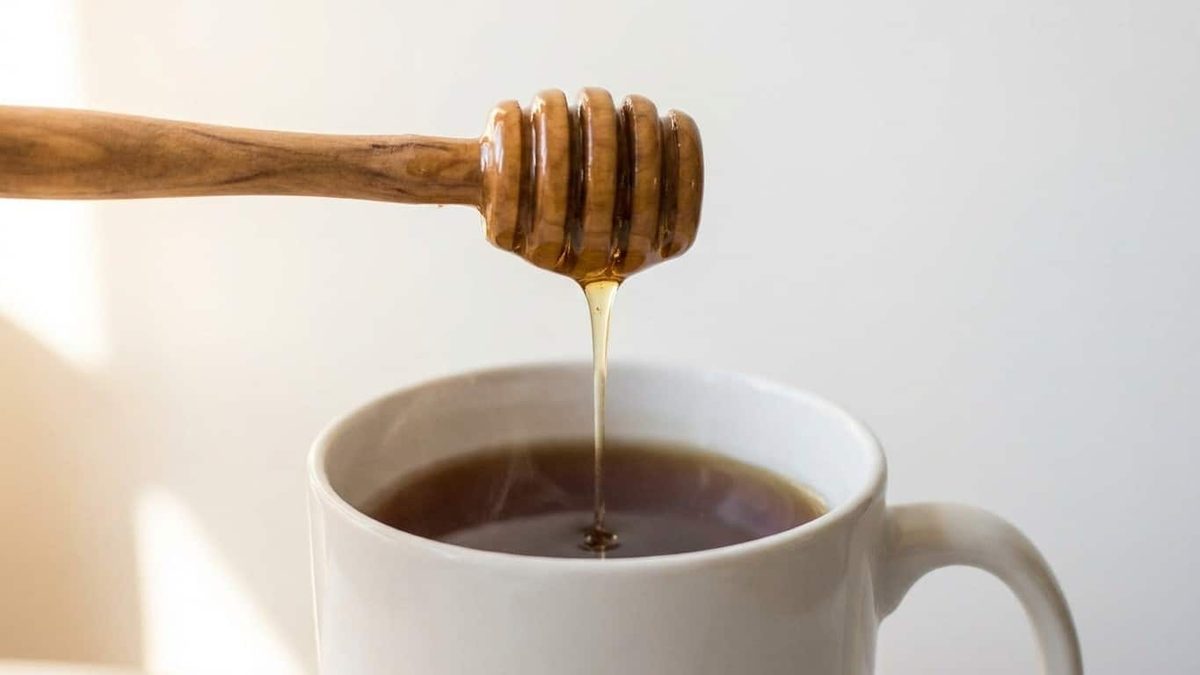
我们数百万人以同样的方式开始新的一天。 我们将一勺金色蜂蜜搅拌到热气腾腾的茶中,确信我们正在增强我们的免疫系统。 这感觉就像是一个自我照顾的小举动。 化学反应讲述了一个不同的故事。
当蜂蜜温度超过 60°C 时,它就不再是蜂蜜了。 它变成糖浆。
活性分子消失。
一种不需要的化合物取代了它们。
你在市场上花了 15 欧元买的那个罐子?
在你的热杯子里,只有焦糖糖浆。
Зміст
为什么温度对蜂蜜酶很重要
在我们讨论丢失的内容之前,让我们先看看里面到底有什么。 优质蜂蜜大约含有 82% 的糖(主要是葡萄糖和果糖)和 17% 的水。 剩下的1%就是精华。 这一小部分含有维生素、矿物质、酶和活性化合物。 因为这 1%,你需要为手工蜂蜜支付额外费用。 这是功能性食品和简单卡路里之间的区别。
这些酶——葡萄糖氧化酶、二糖酶和转化酶——工作非常努力。 它们有助于转化糖并提供抗菌活性。 类黄酮和多酚是强大的抗氧化剂,可保护细胞免受氧化应激。 与抗生素不同,蜂蜜同时从多个角度发挥作用。 这使得细菌更难产生耐药性。 它具有抗菌、抗氧化和舒缓作用。 它证明了投资的合理性。 除非你自己不在厨房里毁掉它。
Silent destruction starts at 40°C
The deterioration process begins earlier than most people realize. It starts at 40℃. Invertase, an enzyme important for its digestive properties, begins to break down. This is not just a small detail. Invertase is one of the keys to the biological activity of honey. Without it, honey is just sugar water.
As the heat increases, the enzymes break down quickly. Saccharase (invertase) is the most sensitive. It is almost completely destroyed during the pasteurization process. When the temperature reaches 60 °C, most of the vitamins and antioxidants disappear. The heat does more than just warm the honey. It will rewrite its composition.
This is where HMF comes into play. Hydroxymethylfurfural is an organic compound that is created during the heat treatment of sugar in an acidic environment. It is slowly formed during storage. It forms quickly when heated. HMF is the result of the breakdown of fructose, one of the main sugars in honey. Honey heated to 60 °C significantly increased HMF.
This compound is formed during the Maillard reaction and caramelization. What happens when you melt sugar in a pot? Heating honey accelerates aging. A process that takes years at room temperature can be repeated in seconds with 80°C tea.
HMF: Not toxic, but evidence of nutrient theft
According to European standards, high-quality honey must not contain more than 40 mg/kg of HMF. When this threshold is exceeded, the product is considered degraded. In fresh hive honey, this level is usually less than 1 mg/kg. The difference between these figures highlights the magnitude of the thermal changes.
There is no need to worry about solving the toxicity problem. Current scientific studies show that low doses of HMF pose no immediate health risks. You won’t feel poisoned if you consume heated honey. However, studies have shown that long-term exposure to high doses of HMF can cause long-term genotoxic effects. It’s not the spilled glass that flooded the house. It’s the dripping faucet that had been running and dripping water for years.
The real problem lies elsewhere. The main problem is not immediate toxicity. It is the total loss of useful properties. When overcooked, honey becomes just a sweetener with no nutritional value. What’s left in the near-boiling water looks more like syrup than wholesome nectar. We bought a living product. We are consuming glucose caramel.
How to keep the benefits of honey intact
So what’s the one simple trick that changes everything? Timing.
The tea does not need to be cooled to room temperature. You don’t have to sacrifice heat for your health. The rules are simple. It’s “wait”. Let the tea steep. Remove the tea bag or infuser. Add honey only when the liquid is warm to the touch (below 40°C). If you can easily dip your finger in it, it is safe for enzymes.
This small delay preserves the invertase. Maintains antioxidant activity. Prevents the rapid formation of HMF. You can get the flavor you want. You get the health benefits you pay for.
Most people think it adds a healthy element to the drink. In fact, they often just add empty calories. The difference between a health supplement and a sugary drink is only a few degrees. And a little patience.
Why do we strain our bodies so much? We track our steps. We count calories. We buy organic vegetables. But we often nullify the benefits of nature’s most powerful superfood with a glass of boiling water. This seems like an easy mistake to fix. But habits are stubborn things.
Next time, put the spoon in the jar. Watch the steam rise. Wait The honey is still there. The benefits will be too.
Stop adding honey to brewed tea
The solution is not to give up honey completely. change when* you add it. Experts recommend a simple rule: brew tea as usual with boiling water and wait. About 5-10 minutes. By the time you can take a sip without rest your finger on the mug or making a face, the temperature has dropped to about 40 degrees Celsius or below. Only add a spoonful of honey this time.
Better yet? Take a spoonful of pure honey and put it directly in your mouth. Cover the mucous membranes or dissolve under the tongue. Then, drink your hot tea separately. Honey retains its properties. The tea offers a pleasant warmth. Do not dilute liquid gold with simple sugars.
The same logic applies to liquefied crystallized honey. Use a water bath with a temperature of 30-35 °C. This prevents the loss of active ingredients. There is no microwave. No high heat. Patience is a culinary skill here.
One little-known detail is that the concentration of bioactive compounds can vary greatly from bottle to bottle. Color serves as an indirect indicator of mineral density and polyphenol content. Darker honeys (chestnut, forest, fir) usually contain more antioxidants. Compared to clear acacia honey poured into boiling water, dark chestnut honey added to cooled tea has two advantages. It is biologically rich from the start and stays rich as you taste it. This detail justifies looking at the color of the bottle before the price tag.
Source: elleadore.com | nutriwise.fr