




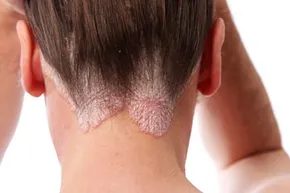
Scalp sores is no joke. They are unsightly. They itch. Sometimes they sting. If you scratch too hard or ignore them, you might lose patches of hair during the healing process. It’s frustrating. It’s uncomfortable. The good news? They are usually treatable.
But can’t just slap on some conditioner and hope for the best. You need to know what is causing it.
What causes scalp sores?
Most scalp wounds are small wounds. They don’t just appear out of nowhere. They are caused by fungal, bacterial or viral infections. Clogged hair follicles are also a common cause.
In some cases, the problem can be even bigger. Serious immune diseases such as HIV and AIDS can manifest as scalp sores. But you don’t need a terminal diagnosis to get them. The most common are one of the following four conditions:
- Impetigo: This bacterial infection occurs when bacteria enter small wounds or scratches on the scalp. The fix is simple hygiene. Keep the affected area clean with antibacterial soap to stop the bacteria from taking hold.
- Pemphigus: This condition is rare. This is an autoimmune disease where the body attacks its own healthy cells. You can’t DIY this one. A dermatologist needs to diagnose and treat it.
- Psoriasis: Skin cells grow too fast. Old cells haven’t shed, so new cells pile up. This causes thick, itchy sores. Like pemphigus, this is an immune system problem.
- Ringworm: Despite its name, it is a fungal infection. It causes sores, dark spots and of course hair loss. It’s highly contagious.
How to treat various scalp sores
Treatment depends entirely on the cause. You wouldn’t use antifungal cream to treat bacterial infections. It wouldn’t work.
For ringworm, doctors often prescribe an oral antifungal medication and an antifungal shampoo. Shampoo helps to clean the surface. the pills tackle the root.
antibiotics are the standard for impetigo and other bacterial infections. Topical creams can help, but oral medications are usually necessary to stop the spread.
Psoriasis and pemphigus are tougher. they are stubborn. Oral medications, injections, or strong topical creams may be needed. In some cases, phototherapy is used to slow down the rapid cell turnover that causes psoriasis plaques.
No matter the cause, seeing a doctor is the smart move. However, there are things you can do at home to prevent them from getting worse or spreading.
Prevention and home care
You can’t always control your genetics or your immune system. However, you can control hygiene.
If you suspect ringworm, use an over-the-counter antifungal shampoo. Please do this for two weeks. It won’t cure an active infection, but it can help prevent infection if you’re around an infected person.
Cleanliness is non-negotiable. This is how you keep your scalp safe.
- **Wash your hair with shampoo after training. ** Sweat traps bacteria and fungi. Do not leave it on the scalp.
- Keep dry. Moisture is a breeding ground for infections. Dry your hair thoroughly after washing.
- **Disinfect the wound. ** If you scratch and damage your skin, clean it immediately with a disinfectant.
- **Do not share devices. ** Hats, scarves, combs and brushes can spread scalp diseases. Ringworm and impetigo are easily transmitted from person to person. Keep the tools to yourself.
Scalp health is part of your overall health. While untreated wounds may seem minor, the effects are real, including hair loss, increased infection, and chronic pain. Pay attention to what your scalp is telling you.
This may not be a serious problem. But it’s never nothing.