




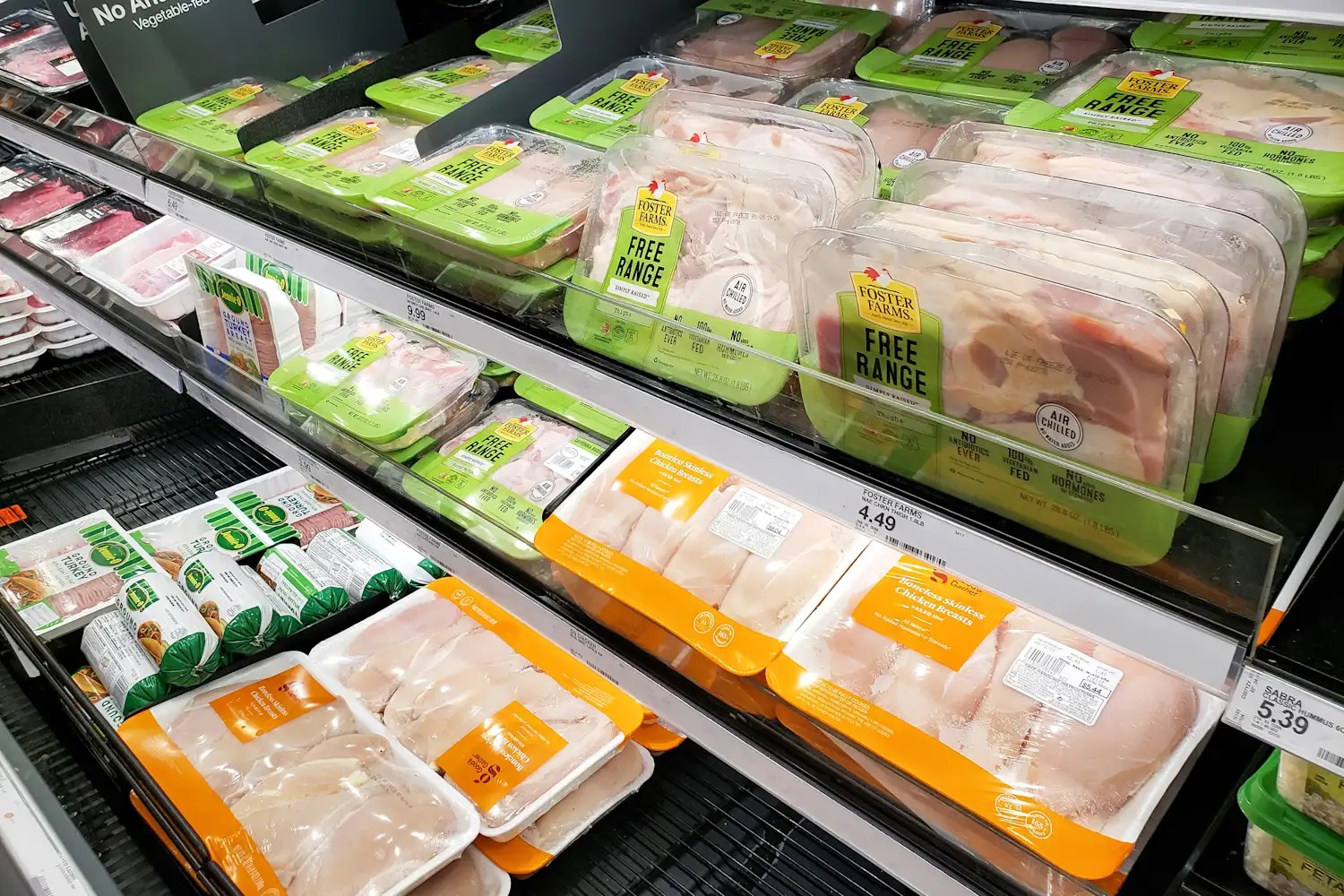
You know the meat aisle. Blinding lights. The smell. And then the packages. Just a wall of buzzwords trying to convince you they are doing good.
It is exhausting.
Most people just want food. Healthy food. Maybe humane. But the labels lie? Or at least they confuse. To get to the bottom of it, I asked Grace Mortenson, general manager at Savenor’s Butchery. Julia Child got her meat here. We trust her eyes.
Here is the truth about the chicken in your fridge.
Зміст
The Labels That Actually Matter
Organic.
This is the big one. Mortenson says it is a “great ‘at a glance’ label.” It guarantees strict standards: quality living conditions, outdoor access. No antibiotics. Organic feed. It is real.
But don’t dismiss the un-certified small guys. Certification costs money. Small local farms might follow those exact same strict standards, but they cannot afford the paper trail. Get to know them. If you have the time.
Obtaining certification is expensive and out of much for many smaller producers.
Air-Chilled.
Pay attention to this. There are two ways to cool chicken after slaughter. Air chilling uses forced air in an open room. Wet chilling dumps the birds in treated cold water.
Why does it matter? Because water soaking changes everything. Wet-chilled chicken absorbs water. It dilutes the flavor. Mortenson prefers air-chilled. It uses less energy. The meat lasts longer. It tastes better. Simple.
Antibiotic-Free.
Sounds simple. It is. No antibiotics were used in raising the animal.
The implication? Antimicrobial resistance. The CDC warns that using antimicrobials on farms makes infections in humans and animals harder to treat. Antibiotics aren’t inherently evil, but going without them usually signals something else: cleaner environments. Less crowded pens. Healthier birds.
The Ones You Can Mostly Ignore
No Added Hormones.
This is marketing theater. The USDA banned hormones in chicken back in the 1950. Five. Zero. So every package of chicken in the United States is technically hormone-free. The label is redundant. Or perhaps, a act of transparency for confused shoppers.
All-Natural.
Ignore it. Mortenson calls it ubiquitous and meaningless. There is no USDA definition or requirement for this term. A factory-farmed bird can claim this label just as easily as a happy one. It means nothing.
Cage-Free.
You see this on eggs often. On chicken? Same idea. It means the birds were allowed to walk around inside the barn. Freely indoors. Did they go outside? No. Zero time in the sun. Do not mistake indoor roaming for pasture access.
Free Range vs. Pasture Raised
These two are close, but distinct. Especially now. The USDA updated the definition of Pasture Raised in 2024 to be much stricter.
Free Range just requires the farmer to provide “free access” to outdoor space. The chicken can go out. It does not say it does.
Pasture Raised goes further. The bird must spend the “majority” of its life on pasture. Real grass. Roots. Vegetation. It is not a loophole.
Pasture Raised goes even farther and requires the animal spend the “majority” of its life on pasture
Certified Humane.
Savenor’s does not sell organic chicken. It sells Certified Humane. Mortenson trusts this third-party group. They check everything from hatching the egg to the transport truck. It has strict standards. Look for it.
The Reality Check
Shopping is still hard. Like threading a needle with gloves on.
There is no single right answer. A local pasture-raised bird might have better access to dirt than an organic one, but lacks the USDA certification. Neither might use air-chilling. It is a mess.
So what is the safe bet for most of us in standard grocery stores? Mortenson says look for two things together. Organic and Air-Chilled. These cover the bases. They are commercially available. They are not a magic bullet, but they are close.
Still. Ask questions. Talk to the butcher. Source directly if you can. Farming here is messy. It is multifaceted. There is no one-size-fits-all.
Just keep asking. Stay curious. The answer is usually not on the plastic.
I encourage every consumer keep asking questions from various perspective