


31 states are down with cyclosporiasis. An explosive-diarrhea illness that feels like the universe is pressing the eject button on your intestines. We don’t know exactly who has it. The numbers are likely a ghost story of what’s really happening. The CDC isn’t watching as closely as they used to. And let’s be honest, most people won’t trek to the ER for a tummy ache. They just lock the bathroom door and pray it stops.
“It’s not a disease that can spread person-to-person. It’s a fecal–oral route.”
That’s the bad news. It’s poop-borne. But also good news in a way? It won’t jump from you to your partner if you share a toothbrush. You have to eat it. Or rather, drink contaminated water with it.
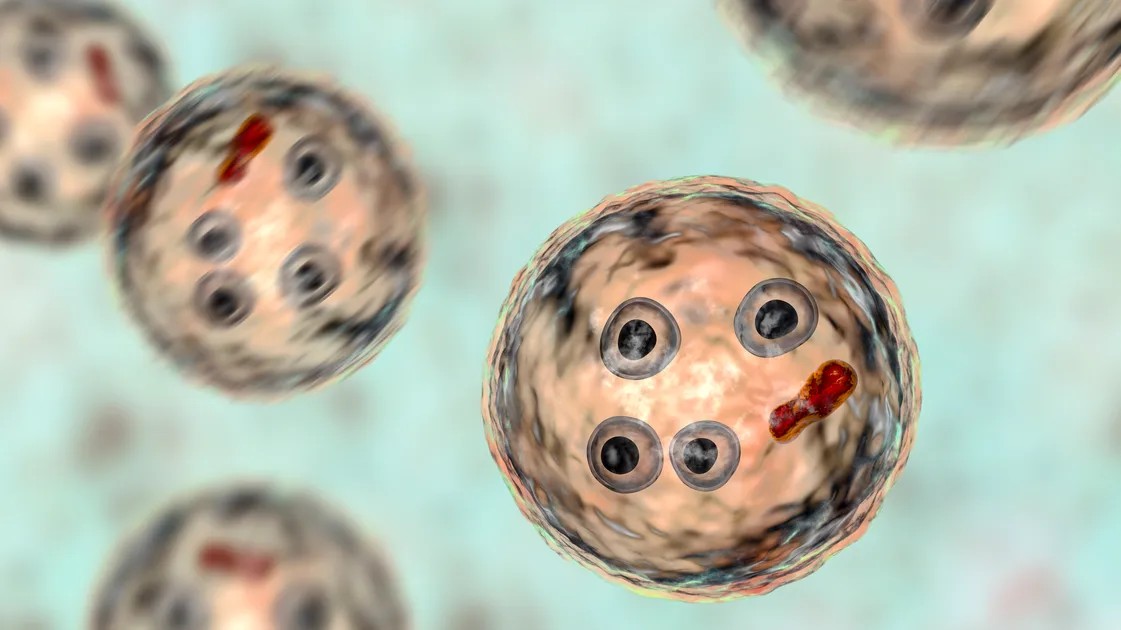
The parasite, Cyclospora cayetanensis, loves fresh things. Berries. Herbs. Leafy greens. It shows up when the heat turns on. It’s the summer flu of the grocery aisle.
We don’t know the source of this specific outbreak. History offers some suspects. Raspberries? A frequent culprit. Basil? Guilty. Parsley, lettuce mixes, green onions, snow peas? They’ve all made headlines before. Pre-packaged salad kits are particularly risky. The more layers they have, the more hiding spots the parasite enjoys.
Should you stop eating them? No. That’s panic buying logic. It’s also silly. You can’t avoid everything. Anything grown in water carries a risk. Irrigation water can carry sewage. It happens. It’s the cost of eating a crisp tomato or a bright berry.
Washing is the only defense you really have.
Cold running water. That’s it. Forget the fancy sprays. They do nothing against this parasite. Soap doesn’t work either. You might rinse off a bit of dirt, sure. But Cyclospora loves cracks. Raspberries have tiny hollows. A strawberry has seeds and nooks. A kale leaf is a fortress of folds. Water rinses the surface. It doesn’t scrub the interior geometry of the fruit.
If you peel it? Maybe you’re safer. An apple becomes cleaner once you carve the skin away. A cucumber? You strip it. But a bunch of fresh cilantro? Good luck.
“Washing produce isn’t a perfect solution.”
Some experts won’t change their diet. They still buy the raspberries. They still make the salads. Nutrition wins out over a small fear. The risk is low for any individual. The volume of cases? High enough to warrant alarm, not abandonment of produce.
Cooking kills it. Obviously. But who wants to sauté their strawberries? It’s not the same experience. The joy of the fruit is tied to its rawness. Cooking neutralizes the risk, but it also neutralizes the flavor profile we crave.
So you eat the greens. You wash them until they are slick with water. You hope for the best.
If you start vomiting, or if the diarrhea feels like an industrial output, see a doctor. Antibiotics exist. Dehydration is real and dangerous. Michigan, Texas, New York, Connecticut — people are suffering in these states right now. Don’t wait for it to resolve itself if it’s severe.
The real failure isn’t your washing technique. It’s systemic. We rely on public health surveillance to catch these waves before they crash over us. The infrastructure is thinning. Budget cuts. Agency shakeups. DOGE controversies. When the lights dim in federal monitoring, outbreaks go invisible for longer. They grow in the dark.
Cappello from Yale points out that we need better systems. Not just to react when 300 people call 911. But to find the contaminated batch before it hits the shelf in Ohio. Surveillance matters. Regulation matters. Without it, we’re just guessing what killed us every time our stomach turns.
You wash the spinach. You eat the berry. You hope the supply chain worked better this week than the last. It’s a gamble we make every summer. Usually, it pays off.