



You are not twenty-two anymore.
That reunion photo proved it. If you’re in your 40s and still grazing on processed snacks and cheap protein bars like you have endless metabolic immunity, the clock is ticking louder than you think.
Experts want to have a word.
Your 40s mark the start of middle adulthood, sure, but the horizon isn’t empty. The specter of decline is looming. The good news? You get to steer the ship. What you eat right now dictates how your next few decades feel.
We talked to aging specialists. The ones who see patients actually thriving at eighty. They noticed a pattern. These aren’t people who waited until their heart failed to change things. They adjusted early.
Science backs it up. Your 40s are the golden window for nutritional shifts.
Think you have time? No. You don’t.
Dr. Amit Shah from Mayo Clinic cited a modeling study in PLOS. It showed something stark. If 40-year-olds swapped their typical Western diet for an optimal one—more beans, nuts, whole grains, less red and processed meat—women could gain roughly ten years of life expectancy. Men, nearly eleven.
Eleven years.
That’s another trip to Italy. Another grandchild’s birthday. More walks that don’t leave you winded.
Shah’s data isn’t vague. It points to specific levers you can pull today.
Зміст
Plant It. Eat It.
Shah is blunt about this. More plants, less meat, longer life.
He observed a consistent trait in his healthiest patients: they stuck to a minimally processed, predominantly plant-based pattern. Long term.
The single dietary habit most consistently observed in individual who age exceptionally well is adherence to this pattern.
It’s not a fad diet. It’s biology.
The Nut and Bean Powerhouse
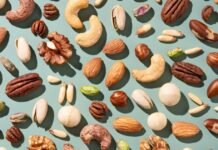
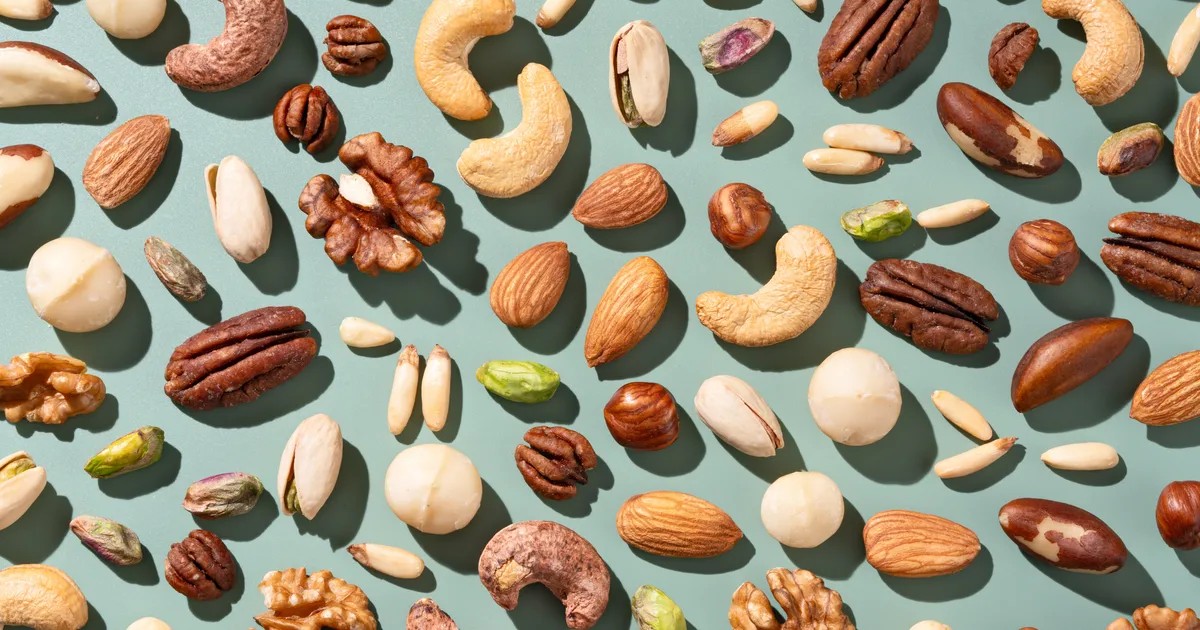
Dr. Dariush Mozaffarian, a cardiologist at Tufts, calls nuts “remarkable life-giving packages.”
If you aren’t allergic, they are non-negotiable. Gram for gram, they punch hard above their weight class with healthy fats and bioactives. Americans don’t eat enough of them.
Legumes too. Beans. Lentils. Peas. Shah agrees they are powerhouses. Adding these to your daily intake might offer the largest drop in mortality risk we see in studies.
Protein Matters (Really)
Here is the thing we ignore until our muscles atrophy. Protein isn’t just for gym bros.
Dr. Lucinda Harris, a Mayo Clinic professor, points out that most adults—especially women—are short on protein. The Recommended Daily Allowance (RDA) sits at 0.8g per kilogram of body weight.
She argues that’s too low for aging bodies.
We should aim for 1.2g to 1.6g. For a 150-lb person? The RDA says 54g. Harris says you need close to 109g.
Why? Muscle. Muscle prevents insulin resistance. Insulin resistance drives fatty liver. Fatty liver drives disease. Build the muscle. Stop the fat.
Chewing Is Mandatory
Dr. David Agus wants you to chew.
Stop blending everything into oblivion. Our GI systems evolved for whole foods. Oranges, not orange juice. Meals, not smoothies.
Once you process food, you get less benefit.
Drinking nutrients skips the work. Skipping the work skimps the payoff. Eat the fruit. Bite into the apple. Let your body do the work it was designed for.
A Square Of Dark Chocolate
Don’t starve the joy out of existence.
Harris admits dark chocolate is fine. In moderation. It’s about balance, not austerity. You can be healthy and still like treats.
The Habits Of The Best Agers
It’s not just food. It’s weight. Movement.
Shah calls it a Goldilocks weight. Not too heavy. Not too light. After 65, being underweight can be just as deadly as obesity. Maintain that middle ground.
Jenny Witherspoon, a dietitian at Oklahoma, sees three habits in her best-aging patients.
- They eat actual food. Not “food-like products.”
- Movement is lifestyle, not a workout punishment.
- Alcohol? Minimal to none.
Consistency beats perfection every time.
Which Diet Actually Works?
Stop searching for the next big thing. The classics hold up.
Shah recommends three. Mediterranean. DASH. MIND. They all emphasize whole foods, fruits, veggies, and olive oil. They reduce dementia risk. They boost heart health.
Agus notes the Mediterranean diet shows the best results in randomized studies.
The bottom line? Pick something realistic.
Witherspoon says it must be sustainable. If you can’t stick to it, it won’t matter. Choose a pattern that fits your life. Pair it with movement. Keep going.
It’s never too late. But starting now buys the best ticket in town.
So… what’s for dinner?