





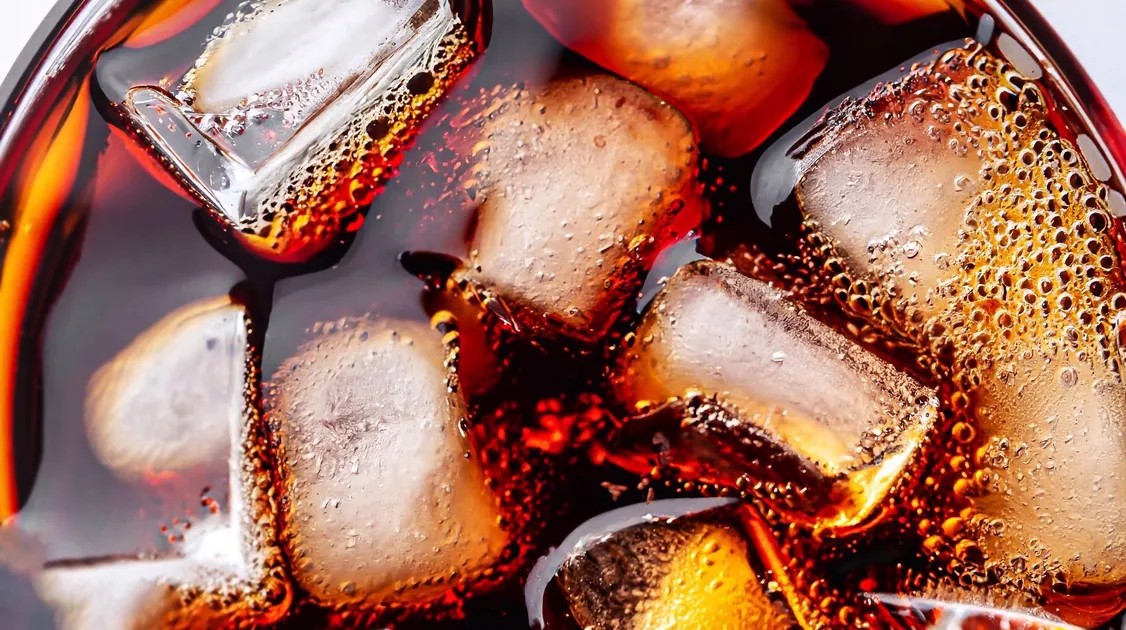
America is hooked. Half the country chugs soda every single day. Look at the youth, it’s even worse, sixty-three percent of them drink it daily. You know the ritual. The ice cubes clinking against the glass. That sharp hiss as you open the can. The first sip, sharp and sweet, waking up your taste buds. It feels good.
But we know it isn’t nutritious.
Does one can matter? Probably not. But do fifty-two cans a year matter? Yes. Habits compound. If you drink this every morning, every lunch, every dinner, your body keeps a score. And the debt is coming due.
The Immediate Crash
First, what’s actually in the bottle? Water, yes. Carbonation, sure. But mostly it’s a chemical cocktail. Phosphoric acid preserves it and sharpens the flavor. Sweeteners dominate the rest, usually high-fructose corn syrup or sugar. Artificial ones for the “diet” versions. Many popular brands—Pepsi, Coke, Dr Pepper, Mello Yello—also pack in caffeine.
One standard can holds 155 calories. That’s 37 grams of sugar. The American Heart Association says men should cap daily sugar at 36 grams. Women should aim for 25. So one can exceeds a man’s daily limit. It nearly doubles a woman’s. Caffeine-wise, the FDA suggests keeping it under 400 mg daily. Soda contributes to that, sure.
When you drink it, two things happen at once. Caffeine blocks adenosine. Adenosine makes you sleepy, so blocking it feels like a burst of alertness. Simultaneously, those simple carbs hit your bloodstream fast. Your energy spikes. You feel awake. Capable.
It’s a lie, though. The drop follows hard. Registered dietitian Sonya Angelone points out that the energy from soda doesn’t last. It plummets. You’ll crash shortly after you peaked.
Then there’s your gut. Dr. Supriya Rao notes that soda messes with your digestive system almost immediately. Carbonation traps gas. Sugar feeds bacteria. The “bad” bacteria in your gut feast on that sugar, breaking down your gut lining. Bloating, abdominal pain, diarrhea, or constipation? Those are common complaints for daily drinkers. Your stomach hurts because it’s irritated and inflamed.
The Slow Decay
Short term, you feel jittery, then tired. Long term, you gain weight. Specifically, belly fat. Dr. Neil Paulvin, a regenerative medicine specialist, explains that this visceral fat is dangerous. It surrounds your organs. It raises your risk for heart disease. Metabolic syndrome. Type 2 diabetes. Breast cancer.
Heart disease remains the number one killer in the US. Most of it is preventable. Soda drinkers ignore the prevention part. Studies show both regular and diet soda drinkers have higher risks of stroke and heart issues. Why? The damage goes beyond the waistline.
It reaches your brain. High blood sugar triggers inflammation. Inflammation in the brain is bad news. Regular soda consumption is linked to depression. Dementia too. The link isn’t just correlation, experts say, it’s scientific observation. Sugar inflames the mind as much as the body.
Is diet soda a loophole? You might hope so. No. All three experts agree: diet soda carries similar risks. Artificial sweeteners disrupt gut health just as sugar does. They impact the heart. They affect the brain. Swapping sugar for chemicals isn’t a victory. It’s just a different poison.
“All three experts say that diet soda has scientifically been linked to gut, heart, and brain issues too.”
Breaking The Cycle
So, quit. Or try to. Angelone suggests identifying why you crave soda. Do you want the caffeine? If yes, try sparkling coffee or matcha. Check the labels though, avoid hidden sugars or sweeteners. Do you want fizz and sweetness? Try kombucha. Infused sparkling water works well too.
Make your own drinks. Cucumbers. Mint. Blueberries. It’s cheaper and healthier.
Just be careful quitting cold turkey. Caffeine withdrawal is real. Headaches often start within a day. Fatigue sets in because you lost your chemical stimulant. To avoid the headache, cut caffeine slowly. Don’t replace soda with matcha, green tea, or dark chocolate if you’re already sensitive, those contain stimulants too.
If you do stop suddenly, you will feel tired. Counteract it with food. Eat regularly. Protein helps. Fiber-rich carbs stabilize your energy. Greek yogurt, berries, bananas. Drink water. Lots of it. Soda provided fluids. If you remove it, you must replace those liquids, or dehydration symptoms like dizziness and irritability will creep in.
Replacing a habit is hard. You can’t just delete it; you have to swap it. It requires effort. It requires patience. Your body wants its fix. Your mind remembers the fizz. But the alternative is a lifetime of managed inflammation and declining energy.
The choice sits on the grocery shelf, right between the water and the syrup. Pick your future carefully.