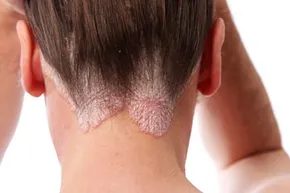

Hair loss isn’t just about thinning strands. You may experience significant hair loss, which will shaking your confidence and mental health. It is normal for 50-100 hairs to fall out every day. But when the shedding continues or does the hair become brittle? Then fear strikes.
Men usually see a receding hairline. Women keep their hairline but watch their hair get thinner and weaker. It’s a different pattern. It is also a symptom of deeper problems.
Зміст
Medical Conditions Linked to Hair Loss
Hair loss can be a warning sign of underlying health problems. It’s not always genetic. Sometimes your body signaling distress.
Conditions related to hair loss include:
–Sarcoidosis
–Lupus
–Syphilis
– thyroid disorders (both hypothyroidism and hyperthyroidism)
– Hormonal imbalances
–Skin cancer
– nutritional deficiencies
Who is most at risk?
Certain groups are at greater risk. Women on weight loss diets often miss out on important nutrients. Those with heavy menstrual periods can suffer from iron deficiency. Both scenarios can trigger hair loss.
The most common causes of hair loss in women
Understanding the root cause is the first step to addressing it. Here are the main reasons why women suffer from hair loss.
1. Stress and trauma
Physical or emotional stress can shock the system. These include serious illnesses, surgeries or major life changes. The body prioritizes survival over hair growth.
压力是一个沉默的小偷。 它不会敲门; 它只会夺走你的光芒。
在高压时期或创伤后,您的身体会转变为生存模式。 血流从非必要功能转向。 毛囊是最先收到备忘录的。 他们停止生长。 他们进入休息阶段。 然后,它们就会掉出来。
这就是休止期脱发。
听起来很可怕。 看起来很吓人。 但好消息是:这通常是暂时的。 毛囊还在那里。 他们只是在小睡。 一旦压力源过去——或者如果你学会控制它——头发通常会恢复。 这需要时间。 几个月。 对你的身体要有耐心。 它正在为你而战。
Understanding Menopause and Hair Thinning
Then comes menopause. Natural biological changes. But for many women, this feels more like a breakdown in the system than a transition.
Estrogen decreases. Progesterone drops. Testosterone either remains constant or changes in relative levels. result? Thin hair. It may not be a sudden loss of hair like pressure, but a gradual thinning, the ponytail will lighten and the parting line will look wide.
Why does this happen?
Estrogen helps keep hair in the growth phase longer. Without it, the growth cycle is shortened. Hair falls out faster than it grows. This is not just vanity. Hair loss can cause deep sadness. You’re not just losing your hair. You lose part of your identity. That pain has meaning.
You are not alone in this. Millions of women experience hormonal hair changes during perimenopause and menopause. This is very common. This is normal. This is also manageable.
What can you do?
Contact your doctor first. Rule out thyroid problems or iron deficiency. These can mimic or worsen menopausal hair loss. Blood tests are inexpensive. Transparency is priceless.
Second, look at your topicals. Minoxidil is the gold standard for women’s hair loss. It works for many people. Consistency is required. When stopped, the gains reverse. Be honest with yourself about your routine.
Third, consider hormone therapy. For some people, HRT (hormone replacement therapy) can help stabilize levels enough to slow the decline. For others, antiandrogens may be an option. This is a personal medical decision. Discuss the risks and benefits with your provider.
Diet is also important. Protein is the building block of hair. Iron supports the oxygen supply of hair follicles. Omega-3 reduces inflammation. While you can’t fix your hair with a bad diet, it’s definitely possible to take care of your hair from the inside out.
Hair loss during menopause is not a life sentence. This is a signal. This is a sign that you should pay attention to your health, hormones and self-care.
This is not about rewinding time. It is about caring for the body you have now.
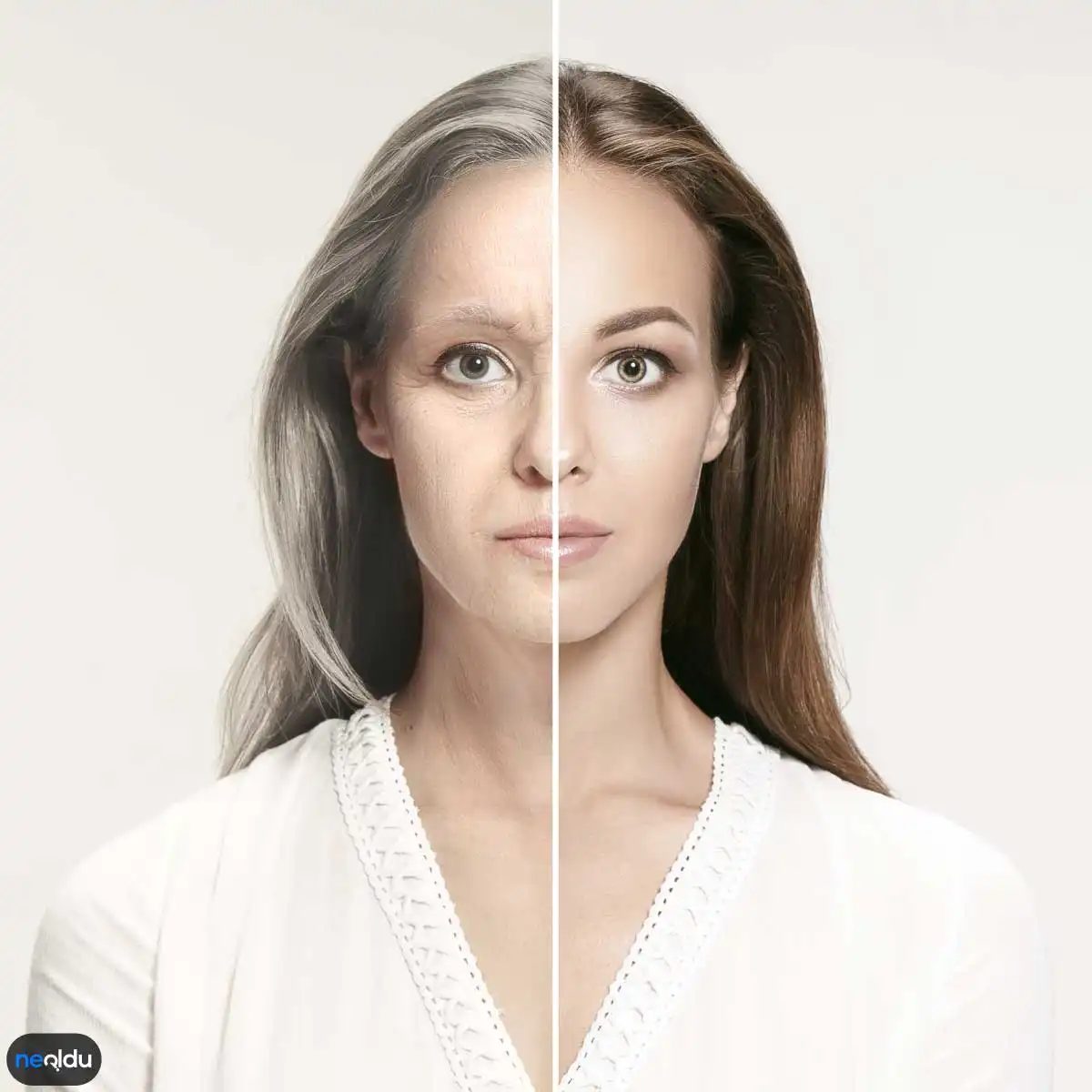
3. Cosmetic procedures
Hormonal changes during menopause don’t just change your menstrual cycle. They make your hair thinner.
Low estrogen is often suspected. When estrogen decreases, the protection of the follicles weakens. The result? Fragile strands. Faster shedding.
You can fight back. Hormone replacement therapy (HRT) isn’t just for treating hot flashes. It helps regulate the hormones that anchor the hair to the scalp. For some women, it can stop the loss.
However, not everyone can or wants to take hormones. This is where the beauty route comes into play.
It’s not just about shampoo. It’s about targeted treatments that address the root cause: thinning.
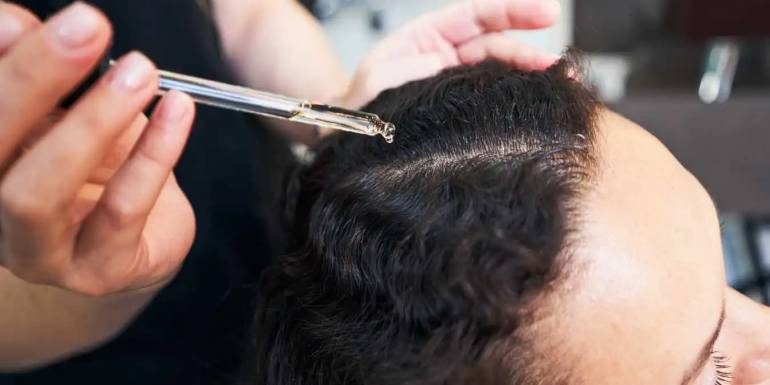
- Topical minoxidil : The gold standard. Over-the-counter. Apply directly to the scalp. Stimulates blood flow to hair follicles. It works for many people. But it takes time.
- Low Level Laser Therapy (LLLT) : Devices such as caps and combs. Use it at home. Studies have shown that it can increase hair density.
- Peptide Serum : New players. They are claimed to strengthen the hair shaft and reduce hair breakage. Look for ingredients like biotin and keratin.
- ** Scalp Massage**: Easy. free. Promotes blood circulation. It can help improve the behavior of existing products.
“Treating menopausal hair loss is all about managing expectations. You can’t get your youthful hair back. But you can get thicker, healthier hair.”
Consistency is key. Cosmetic treatments are not magic. They require daily effort.
Which option suits your lifestyle? What about your budget?
The answer may not be medical. Sometimes it’s practical.

Tight ponytails and aggressive styling may seem like a quick fix for bad hair days, but they are often silent killers of hair density. When you pull hair back with too much tension, you’re not just creating a style; it stresses the follicle. This mechanical stress can lead to traction alopecia, a condition where hair loss occurs especially due to the way the hair is handled.
The heat doesn’t help either. Repeated blow-drying, straightening and curling expose hair to temperatures that strip it of its natural oils and weaken its protein structure. Add bleach or chemical straightening to the mix and the result is brittle strands that break easily. The damage isn’t always visible right away, but the result is the same: thinner, weaker hair that can’t withstand daily wear and tear.
The way you treat your hair every day is more important than the expensive shampoo you use.
It’s not about giving up style completely. It’s about being aware of the tools and techniques you use. The use of heat protectors before using a hot tool is not negotiable. If you choose looser hairstyles that don’t pull on the scalp, give the hair roots a break. And when it comes to chemicals, less is often more. Over-treating the hair with dyes or straighteners can cause irreversible damage to the cuticles, causing breakage that looks like hair loss but is actually a structural defect.
Correct use of hair care products is the first line of defense. Understanding your hair type and choosing products tailored to specific needs—like moisture for dry ends or protein for weak strands—can make a big difference. It’s not just about what you put in, but how you use it. By detangling hair gently, avoiding rough towel drying, and paying attention to the tension of your updos, you can protect your hair as it grows.
Perfection is not the goal. It’s sustainability. If your routine is leaving your hair frizzy or pulling against your scalp, it’s time to rethink your approach. Small habit changes can prevent damage that can take years to repair.
5. The silent culprit: vitamin and mineral deficiencies
When your hair starts thinning, it’s easy to blame genes or stress. But often the cause is directly in the kitchen cupboard. Flaws don’t appear overnight. They sneak in. Lack of iron, zinc or B vitamins can starve your follicles. Result? Fragile threads. Shedding. Silence from the scalp where the growth should be.
Iron is the biggest problem. Anemia affects millions of women, especially those with heavy menstrual cycles. When hemoglobin drops, oxygen cannot reach the hair bulb. They go to sleep. You may feel tired. Your nails may be brittle. But hair loss is often the first visible warning sign.
Zinc is also important. It helps maintain the sebaceous glands around the follicles. Without enough zinc, these glands can malfunction. Dryness. Breakage. You may not notice a problem until you see clumps in the shower drain.
B vitamins, especially B12 and biotin, are structurally necessary. They help form red blood cells. These cells carry oxygen and nutrients to the scalp and hair roots. If you are vegan or have recently made drastic changes to your diet, you should pay attention. B12 is mainly found in animal products. A sudden drop in intake may be noticeable in your hair months later.
So which supplements really work?
First, take a blood test. Guesswork is expensive and potentially harmful. For example, taking too much vitamin A can cause more hair loss. Too much selenium? Same problem. Balance is key.
If your doctor confirms a deficiency, he or she will likely recommend the following:
- Iron supplements: Usually ferrous sulfate or gluconate. Take them with vitamin C to improve absorption. Avoid taking with calcium or coffee.
- Zinc Picolinate or Citrate: These forms are well absorbed. Start low to avoid an upset stomach.
- B-complex: A quality B-complex can cover your bases, especially if your diet is inconsistent.
However, nutrition is a priority. Eat leafy greens. Spinach is full of iron. Lentils. Red meat (in moderation). Oysters are nature’s zinc bomb. Eggs contain biotin and protein. Your hair is made of keratin, a protein. When you don’t get enough protein, your body prioritizes your vital organs over your hair. It’s evolutionary triage. Your hair is not important. It’s a luxury. And luxuries are the first to be removed when resources run low.
Don’t just blindly swallow pills. Fix the intake. Then let the body do the work. It takes time. Hair grows slowly. You may not see results for three to four months. Patience is part of treatment.
6. Thyroid problems
The thyroid gland is the main regulator of metabolism. It controls how your body uses energy. When things break, everything slows down. Or speeds up. Unpredictable.
Hypothyroidism (hypothyroidism) is more common in women. It causes the skin to dry out. Fatigue. Weight gain. And hair loss. The hair becomes fine. Fragile. It falls off easily. It is often patchy hair loss over the entire scalp, not just in patches.
Hyperthyroidism (hyperthyroidism) can
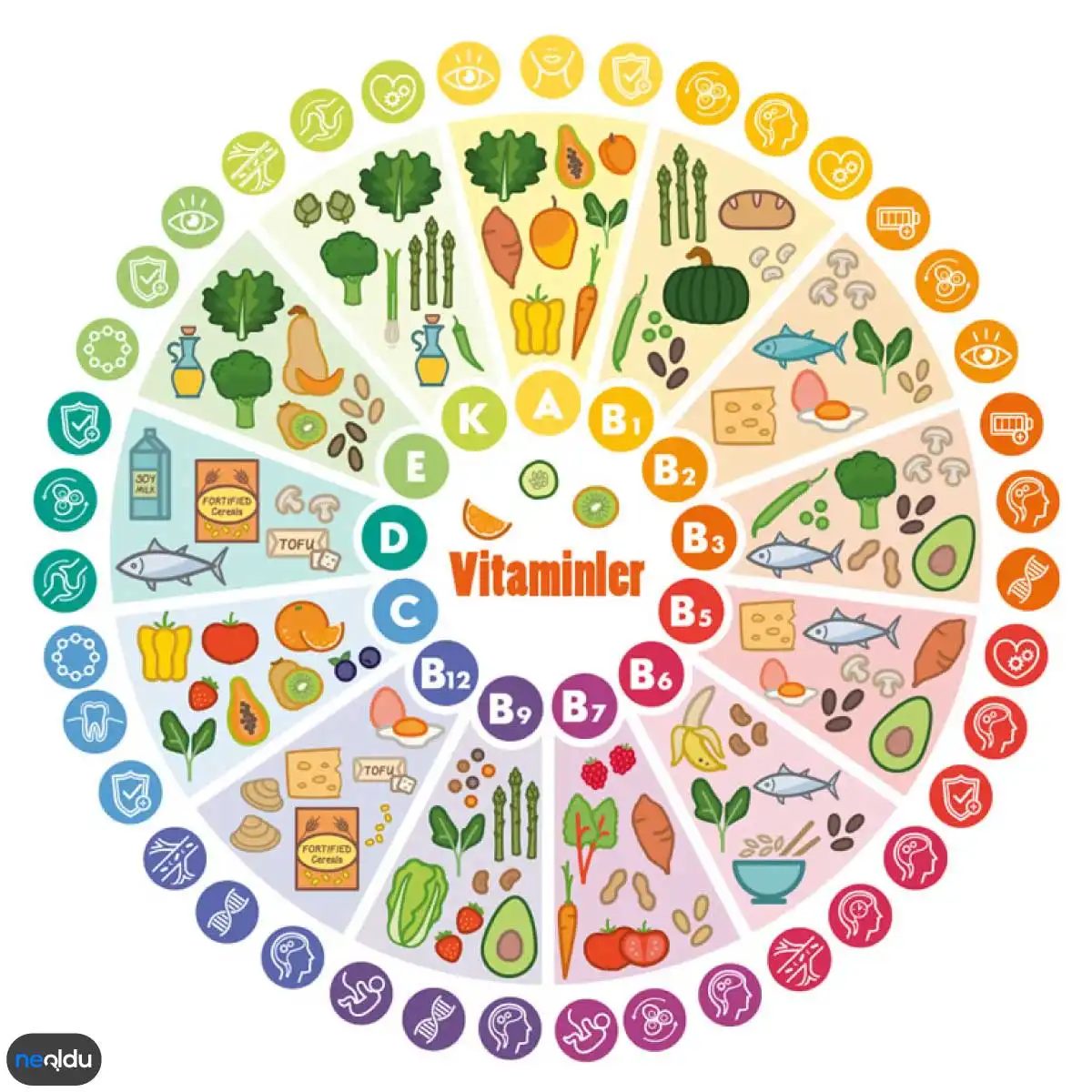
You might be shampooing daily and using every expensive serum on the market, yet your hair still seems to thin out faster than expected. Before you blame bad genetics or blame your stylist’s technique, look at what’s happening inside your body. It turns out that your follicles are incredibly sensitive to chemical imbalances.
Specifically, deficiencies in Vitamin B12, Vitamin D, folate, biotin, zinc, and iron are well-documented triggers for hair loss. These aren’t just minor nutrients; they are the building blocks your body needs to keep hair growing in the anagen (growth) phase. When you’re low on one of these, the body prioritizes vital organs over hair, causing strands to shed prematurely.
This is not something you should try to self-prescribe. Taking random multivitamins without knowing what you actually lack can be useless or even harmful. For example, too much zinc can interfere with copper absorption, potentially making hair loss worse. The solution here is simple but non-negotiable: consult a doctor. Get blood work done. Identify the exact deficit. Then, under medical supervision, take the correct dosage of supplements to replenish your stores.
The Internal Root Causes: Internal Diseases
If your blood tests come back normal, the problem might not be a simple vitamin gap. It could be an underlying internal disease.
Internal conditions often manifest through the hair before they show up in other obvious symptoms. Hormonal disorders like polycystic ovary syndrome (PCOS) or thyroid imbalances (hypothyroidism or hyperthyroidism) are common culprits. These conditions disrupt the hormonal balance required for healthy hair growth.
Other systemic issues, such as autoimmune diseases or severe chronic stress, can shock the hair follicles into a resting phase known as telogen effluvium. In these cases, treating the hair is treating the symptom, not the cause. You have to address the root medical issue first. If your thyroid is out of whack, no amount of biotin will fix your hairline. The path to regrowth starts with diagnosing the internal disease, not just masking the external symptom.
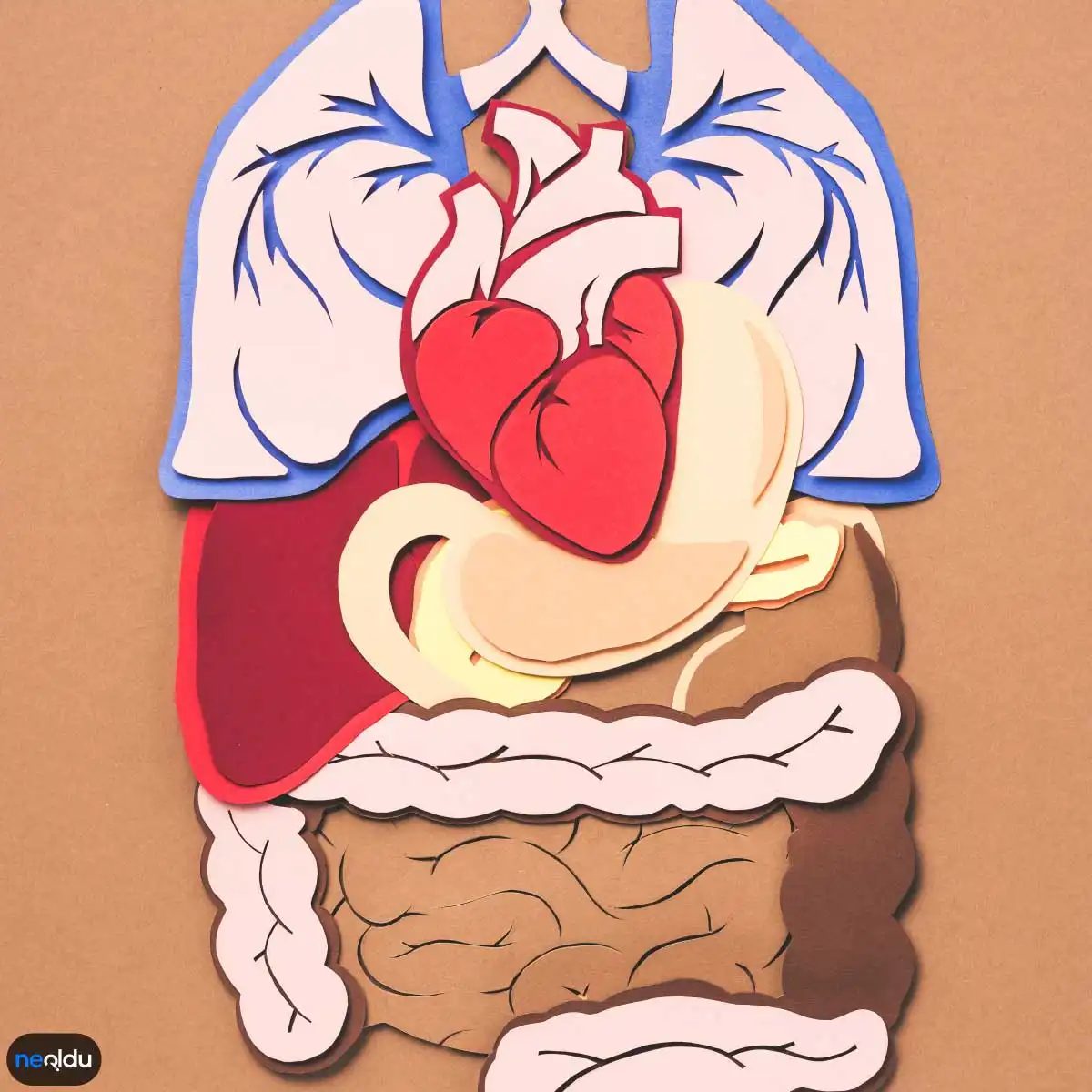
Internal health problems don’t just stay internal. They often appear in your head. Thyroid disease, autoimmune conditions such as rheumatoid arthritis, and even certain hormone treatments can cause significant hair loss. It’s not just genetics or stress. Sometimes the reason is deep inside your body.
If the hair falls out for no apparent reason, a doctor’s visit and special blood tests are necessary. You need to rule out these internal triggers before blaming shampoo or diet. Treating the underlying disease is the only way to stop the consequences.
Damage from tight hairstyles
There is a certain type of hair loss that is completely preventable. It’s called traction alopecia, and it’s caused by your hair being pulled too hard for too long. This is not just a myth. It’s a real disease.
When you wear tight ponytails, buns or braids, you are constantly stressing the hair follicles. The tension pulls on the root. Over time, this weakens the anchor. Hair doesn’t just break; it stops growing. It will fall. And in severe cases, the damage can be permanent.
This is common in people who style their hair tightly on a daily basis. It’s not about looking bad. It’s all about consistency. A loose bun once a week won’t hurt. But do you wear a strict style every day? This is a slow decline.
“Traction alopecia is caused by prolonged tension on the hair follicles, resulting in temporary or permanent hair loss.”
The solution is simple. Loosen up. Give your roots a break. If you like a high ponytail, make sure it doesn’t pull at your temples or hairline. If you feel pain or tingling, it’s too tight. Your hair is not just an ornament. It attaches to the scalp. Handle it with care.

Skin problems you probably don’t consider
It’s not just your hair that pays the price for your daily habits. Tight ponytails and high buns? They pull. Hard. This constant stress on the follicles can lead to traction alopecia, which is a very real condition where hair falls out because it has been pulled too hard for too long. It’s not just a style choice; It is a mechanical stressor on your scalp.
Then there is heat. Straighteners, hair dryer on high, the whole routine. While intense heat damages the hair shaft, it also dries out the skin around it. Dried skin cracks. It itches. It flares.
And that takes us to the skin itself. You may think of skin care as just face creams and serums, but the scalp and the skin around the hairline are part of the same ecosystem. When you constantly pull back and heat your hair, you create a microenvironment that is stressed and inflamed.
Tight styles and high heat aren’t just bad for your strands; They are a direct attack on the skin barrier.
See where your hairline meets your forehead. Is it red? Is it irritated? This is often due to hair ties, too tight elastics, or even the residue of strong styling products that have not been washed thoroughly. It’s easy to miss. You focus on the breakage, not the irritation. But both are connected. Damaged skin takes longer to heal. It is more susceptible to infections. And it looks dull no matter how expensive the moisturizer is.
So what is the solution? Loosen up. Let your hair down. Give your scalp a breakage from tension. And if you use heat, protect it. Seriously. Good thermal protection is not a trick; It’s insurance for your skin and hair.
It’s all about balance. Your body was not designed to be held in a vice and blasted with fire every morning. It is designed to breathe. Let it.
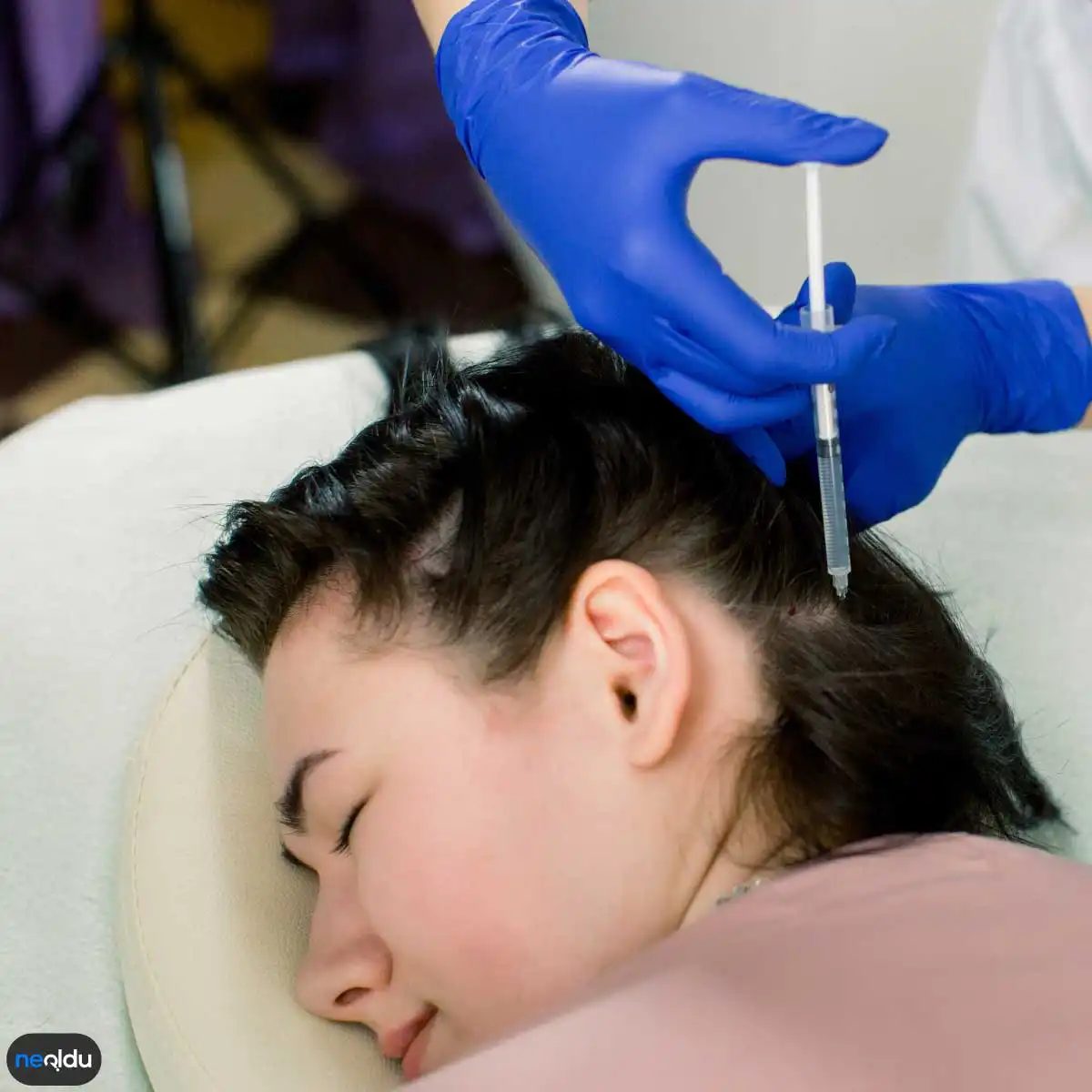
牛皮癣、湿疹、痤疮和真菌感染等皮肤病会对你的头发造成严重破坏。 如果您发现自己头发变稀疏了,那可能不是压力或饮食造成的。 可能是头皮发炎了。 好消息? 治疗潜在的皮肤问题通常会使毛发重新生长。 清除炎症,毛囊就会停止脱落。
但如果你的头皮很干净怎么办? 如果皮肤科医生说你的皮肤很好怎么办?
9. The role of genetics
This is the part that feels unfair. Even if you eat clean, sleep eight hours, and manage stress like a monk, your hairline is receding and your ponytail is thinning. Why? your DNA.
Hereditary hair loss or androgenetic alopecia is not a health problem. It’s in our genes. If your mother experienced thinning on their side or your father went bald early, you may inherit a sensitivity to dihydrotestosterone (DHT), which causes hair follicles to shrink over time.
This is not a moral failure. It’s biology.
Knowing this will change your approach. Instead of berating yourself for every hair that falls out in the shower, check out science-backed treatments. Early intervention is key. Once the follicle has completely shrunk, it is difficult to get it back. But what if it’s still active? There are alternatives. Topical minoxidil, oral finasteride for men, and spironolactone for women: These aren’t magic pills, but they can slow or even stop the loss.
The trick is to catch them early. Look for changes in the part line. Notice if your hair feels thinner. These subtle changes are how your body whispers before it screams. Don’t ignore the whispers.

Genetics has a big influence on hair thinning. It’s in your DNA. It cannot be changed. But you can control how you express it.
Hair loss in women can be slowed down with hormone treatments and supplements. This is not a cure. It’s a brake. A way to buy time.
But there is another point that people forget.
### Gut-Hair Axis
10. Intestinal problems
Your hair is not in a vacuum. It is related to the digestive system. If there are abnormalities in your gut, your hair will be damaged.
Think about it. In order for the nutrients to reach the hair follicle, they must be absorbed. If digestion is impaired, these nutrients remain in the bowl. Even worse, it can cause inflammation.
The inflammation spreads. It passes through the blood. It reaches the scalp.
Conditions such as leaky gut, IBS and SIBO can interfere with nutrient absorption. Iron? Zinc? B vitamins? All these are important for hair growth. If it is not absorbed, the hair will fall out.
Studies show a link between gut health and androgenic alopecia. It’s not just a hormonal problem. It’s about what happens inside.
What should I do?
–Check for deficiencies. Blood tests are important. But symptoms are also important. Bloating? Fatigue? These are all hints.
–Heal the gut lining. Probiotics can help. The same goes for fermented foods. However, don’t just buy supplements. Look for strains that support digestion.
-** Reduce inflammation. ** Sugar feeds bad bacteria. Processed foods can cause inflammation. If things are really bad, try an elimination diet.
This is not a quick fix. Healing takes time. But the rewards are real.
Your gut gets stronger. Your hair will become stronger.
Does hair loss increase when you are stressed or sick? This may be an gut connection.
Listen to your body. It’s trying to tell you something.

Inadequate nutrient absorption doesn’t just lead to a feeling of exhaustion. It directly triggers a lack of minerals and vitamins. When your body doesn’t get what it needs, hair is often the first victim. This nutritional gap can trigger a chain reaction that leads to significant hair loss.
But not all hair loss is physical. Sometimes the reason is behavioral.
11. Trichotillomania: Understanding the compulsion
Trichotillomania, or hair-pulling disorder, is a mental illness characterized by an irresistible urge to pull out one’s hair. It’s not just bad habits or stress relief. It is a recognized impulse control disorder.
People with this condition may pull hair from the scalp, eyebrows, eyelashes, or other areas of the body. The act often triggers a temporary feeling of relief or joy, followed by shame or embarrassment. This cycle can cause significant hair loss and visible bald patches.
Unlike nutritional deficiencies, this type of hair loss is caused by psychological factors. It often co-occurs with anxiety, depression or OCD.
“Trichotillomania is not about vanity. It is a complex interplay between brain chemistry and behavioral.”
Identifying the root cause matters. If your hair loss is related to poor absorption, fixing your diet or gut health may help. In the case of trichotillomania, professional mental health support is usually required. The first step to effective treatment is to identify which category your symptoms fall into.

有一种经常被误解的特殊病症,称为拔毛癖。 这是心理上的。 想要拔掉头发的冲动是难以抑制的。 如果不及时治疗,由此产生的脱发会变成慢性。 这不仅仅是一个坏习惯。 这是一场斗争。
12. Thyroid disease
When your thyroid is dysfunctional, your hair pays the price. The thyroid gland regulates metabolism. It controls energy. It maintains body functions. But things can get worse if your thyroid is underactive (hypothyroidism) or overactive (hyperthyroidism). Especially hair follicles.
Hypothyroidism slows everything down. Hair growth stops. Hair becomes brittle. It falls out The temples may become thinner or lose volume altogether. This is not a sudden drop. The decline has been slow and steady.
Hyperthyroidism works exactly the opposite, but causes similar damage. Your body is in overdrive. Stress hormones increase rapidly. Hair follicles react by entering the telogen phase early. Telogen effluvium is affected. Your dog may shed more hair than usual when bathing or brushing his teeth.
Which thyroid problem is more likely to cause hair loss? Both are true. But the pattern is different. Hypothyroidism often causes hair to become dry, rough and break easily. Hyperthyroidism causes diffuse thinning of the scalp.
Why does this happen? Thyroid hormones are essential for hair follicle health. Without the right balance, the growth cycle is disrupted. Your hair no longer receives the nutrients it needs. It doesn’t get the signals to grow.
If your hair is falling out and you feel tired, cold and anxious, get your thyroid checked. It’s a simple blood test. TSH, T3, T4. The results can explain a lot. Even better, they can recommend treatments. Medicines can restore balance. Hair can grow back. This takes time. Months. Not for a few days. But it is possible.
Don’t ignore these signs. Fatigue and hair loss often co-occur with thyroid problems. Get it early. Treat it. Your hair will thank you.
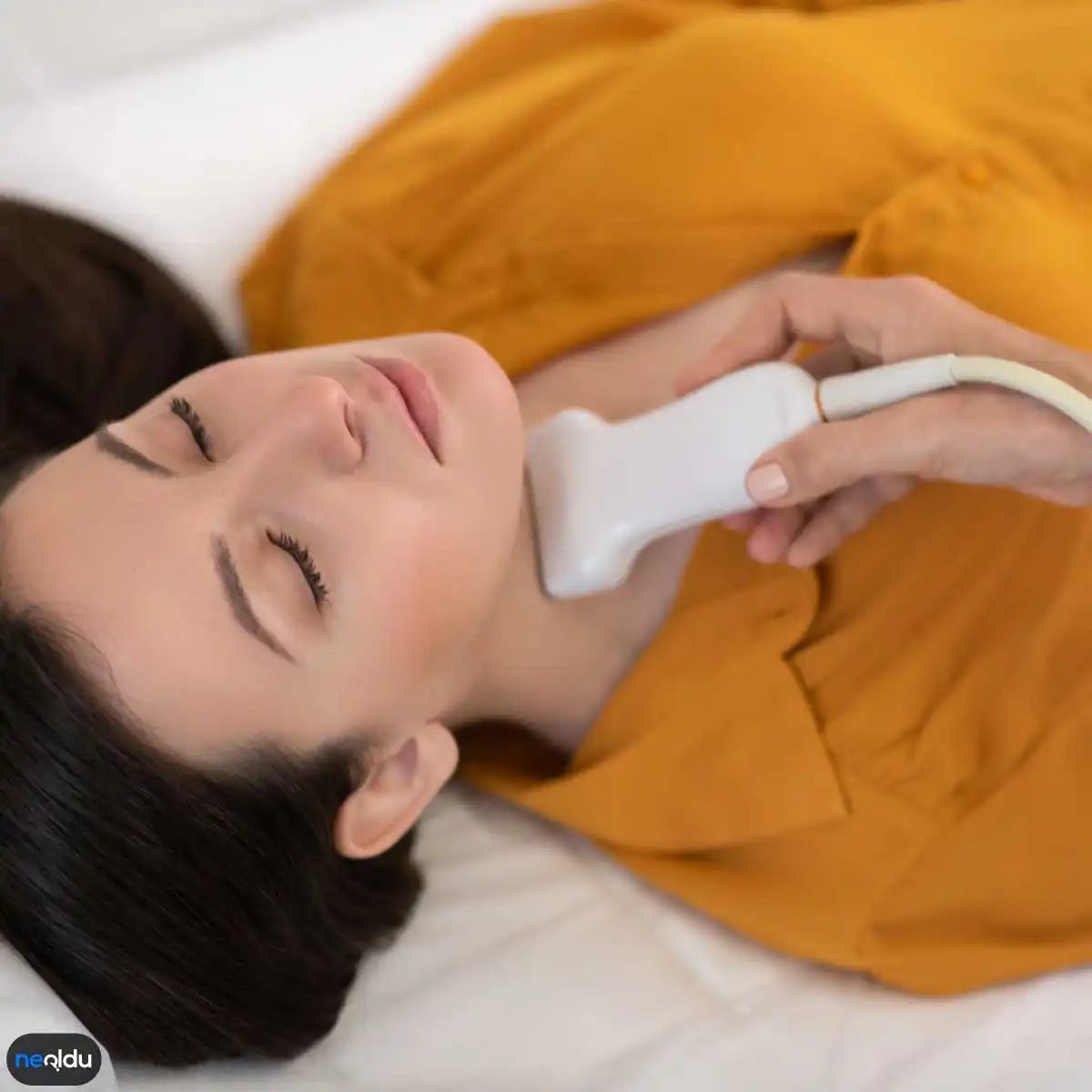
When the thyroid is to blame
If you’re experiencing hair loss and your regular treatments aren’t helping, look into the gland that controls your metabolism. Thyroid disease is a surprisingly common cause of hair loss, but is often overlooked in traditional beauty routines. It’s not just stress or bad shampoo. It is internal.
The thyroid gland regulates how your body uses energy. When it goes haywire – whether it’s overactive (hyperthyroidism) or underactive (hypothyroidism) – it disrupts the hair growth cycle. Hair follicles are prematurely put into a resting phase. Result? Hair loss that looks alarming but is often reversible.
The good news is straightforward: thyroid hormone therapy usually stops hair loss. When hormone levels are balanced through medication or other treatments, the cycle begins again. New growth doesn’t happen overnight, but the loss stops. You see the regrowth phase returning.
If you notice thinning, don’t just buy another serum. Ask your doctor about a thyroid test. A simple blood test can reveal if your hormones are the real problem. Treat the root and the hair often follows.