



Are you dealing with oily skin? You know the drill. That shiny T-zone. Those stubborn blackheads that seem to pop up just when you’re trying to look well-groomed. It’s annoying. But before you reach for the strongest salicylic acid wash or scrub your face raw, take a breath. You don’t need to exfoliate your skin to cleanse it.
In fact, aggressive cleaning often backfires.
Your pores get irritated, produce more oil to compensate, and the cycle continues.
Instead of fighting your biology, you can work with it by using simple, readily available ingredients. There are five specific approaches that can help restore balance without serious side effects.
Perfection is not the goal. It’s clarity. It’s all about finding a routine that leaves your skin looking supple and even, not one that leaves it looking tight and saggy. Let’s see how a few kitchen staples can solve these particular problems.
Зміст
Why oily skin attracts blackheads
First, a quick reality check on what’s really going on. Blackheads are not dirt. It is oxidized sebum. When the oil produced by the glands hits dead skin cells and the air, it darkens. If your skin is naturally oily, you have more fuel for the fire.
This is why gentle treatment works better than aggressive removal. You want to regulate oil production, not stop it altogether. Your skin needs protection. Destroying this barrier with harsh scrubs can lead to inflammation.
The power of honey and lemon
One of the most effective natural treatments is based on two ingredients that you probably already have in your stash. Raw honey has antibacterial and moisturizing effects. It absorbs moisture without clogging the pores. Lemon juice contains citric acid, which helps remove dead skin cells and brightens the skin.
Mix a tablespoon of raw honey with a few drops of fresh lemon juice. Apply it to your face, focusing on your nose and chin, where blackheads tend to accumulate. Leave it on for ten to fifteen minutes. Rinse off with lukewarm water.
Honey soothes, while lemon gently dissolves the gunk.
Do this twice a week. Don’t overdo it. The lemon is strong. If your skin feels tight or burning, you’ve left it on too long. Start once a week. See how your skin reacts.
Exfoliating effect of baking soda
Baking soda is a different beast. It is alkaline. Your skin is slightly acidic. This difference makes baking soda an effective exfoliant. It helps break down the bonds that hold dead skin cells together.
Mix a small amount of baking soda with water to make a paste. Massage lightly onto damp skin in circular motions. Focus on oily areas. Rinse thoroughly.
This method improves texture immediately. It removes surface residue that traps oil. However, use it sparingly. Once a week is enough. With daily use, the protective acid mantle of your skin can be damaged. This leads to sensitivity. And sensitivity leads to breakouts.
Oatmeal with gentle absorbency
If your skin is oily but also sensitive, baking soda might be too much. Oatmeal is an option. It’s soothing. It absorbs excess oil without stripping.
Grind the oatmeal into a fine powder. Mix with water or milk until a thick paste forms. Use it
If you are looking for a natural mask to tighten pores without stripping your skin barrier, these two recipes offer effective, kitchen-based solutions. They target impurities, regulate oil, and improve texture using ingredients you likely already have.
Aloe Vera, Pineapple, and Yogurt Mask
This blend hydrates while tightening pores, avoiding the irritation that comes with harsh chemical exfoliants. It is a balancing act: soothing, exfoliating, and absorbing, all in one go.
The Ingredients
- Natural pineapple juice: 2 tablespoons
- Aloe vera gel: 1 tablespoon
- Baking soda: 1 teaspoon
- Natural yogurt: 2 tablespoons
How to Make and Apply
The preparation is straightforward. Whisk all ingredients together until they form a smooth, consistent emulsion. Do not save leftovers. This mixture is unstable and loses its efficacy quickly, even if refrigerated. Use it immediately after mixing.
- Prep your skin: Splash your face with warm water to open the pores.
- Apply: Pat your skin dry, then spread the mask evenly over your face. Be careful to avoid the eye area.
- Wait: Let it sit for 15 minutes.
- Rinse: Wash it off with cool, clear water. Pay extra attention to T-zone areas where oil and blackheads tend to accumulate.
- Moisturize: If your skin feels tight or sensitive, follow up with a dab of aloe vera gel or a light lotion.
Why It Works
Each ingredient plays a specific role in this formula. Aloe vera provides hydration, soothing properties, and regeneration. Its gel-like texture helps the mask adhere to the skin while offering mild antiseptic benefits, making it suitable for acne-prone complexions.
Pineapple acts as a gentle surface exfoliant. It contains enzymes that smooth the skin’s texture and reduce inflammation caused by daily environmental stressors, leaving you with a brighter complexion.
Baking soda offers deeper exfoliation without the abrasiveness of physical scrubs. Because it is alkaline, it neutralizes the acidity of the pineapple and yogurt, creating a pH-balanced application that is less irritating than using these acids alone.
Yogurt brings lactic acid to the table. This alpha-hydroxy acid cleanses and hydrates simultaneously, removing dead skin cells without weighing the skin down with heavy oils.
Green Clay, Lemon, and Essential Oils Mask
Green clay is a staple for pore-tightening routines. Its absorbent properties are legendary for purifying oily skin, but with the right additions, it can effectively manage dry skin as well.
The Ingredients
- Green clay: 2 tablespoons
- Half a lemon, squeezed: (Use water instead if you have sensitive skin)
- Essential oils: 2 drops of peppermint and 1 drop of tea tree
Application Instructions
Mix the clay with the liquid until you achieve a smooth, lump-free paste. Note on sensitivity: Lemon juice is highly acidic. If your skin is dry or reactive, substitute the lemon juice with water to prevent irritation.
- Apply the mixture to your entire face, steering clear of the eyes.
- Leave it on for about 15 minutes.
- Rinse thoroughly with clean water.
The Logic Behind the Mix
Green clay draws out impurities and helps收缩 pores. The addition of essential oils addresses different needs. Tea tree oil is antibacterial, helping to calm active breakouts, while peppermint provides a refreshing tingle that can invigorate the complexion. This combination makes the clay mask versatile for both oily and dry skin types, provided you adjust the liquid base to suit your tolerance.
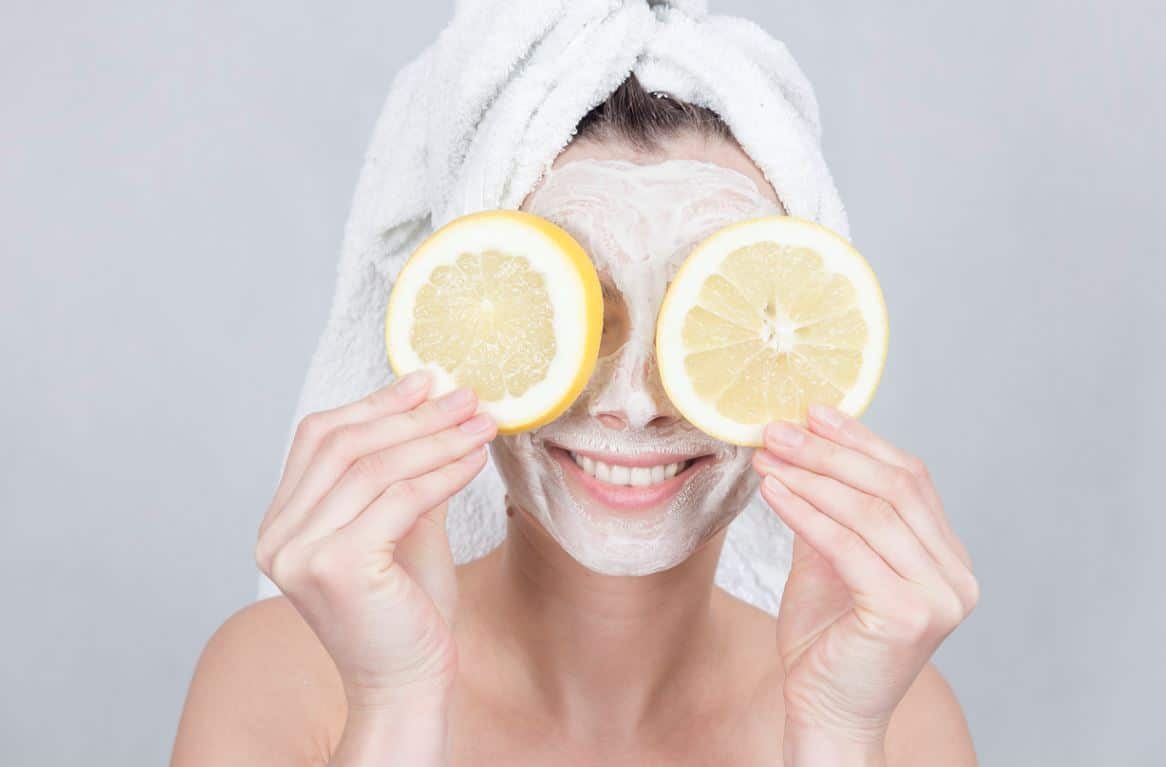
Homemade remedies often rely on ingredients you already have in your kitchen. The secret isn’t just in the mixing—it’s in understanding why specific combinations work for different skin types. If you are dealing with oiliness or clogged pores, these three recipes offer targeted solutions using common household items.
Yeast and Citrus for Pore Control
Chemical yeast acts as an astringent, helping to tighten the skin, while lemon juice serves as a powerful antiseptic. This pairing is ideal if you are looking for a quick fix to balance skin texture.
You will need:
- One packet of chemical yeast
- Four teaspoons of lemon juice
Mix the two ingredients thoroughly. Let the mixture sit for 15 minutes before applying it to clean, dry skin. Leave the mask on for about 20 minutes. Rinse it off with water until no residue remains. The result is skin that feels tighter and cleaner.
Oatmeal, Egg White, and Lemon for Radiance
Egg whites are a beauty staple because they contain lysozyme, which has antibiotic properties. When combined with lemon, this mixture can transform oily skin into something supple and bright.
Gather these items:
- One egg white
- Two tablespoons of lemon juice
- Two tablespoons of oatmeal
Whisk the egg white with the oatmeal and lemon juice until you get a smooth, spreadable paste. Apply it to your face, focusing on the T-zone: the nose, chin, and forehead. Be careful not to apply the mixture too close to your eyes, as lemon is too harsh for that delicate area.
Leave the mask on for 30 minutes. Rinse with cold water to help close the pores, then pat your face dry with a soft, clean towel.
For a simpler version, whip an egg white until frothy and apply it to a clean face. Rinse it off, then squeeze fresh lemon juice onto a cotton pad and gently dab it onto your skin to tighten pores further.
Chickpea Flour, Turmeric, Olive Oil, and Yogurt
Besan, or chickpea flour, is excellent for exfoliation. It removes impurities and dead skin cells, leaving the complexion clearer.
Prepare the following:
- One tablespoon of chickpea flour (besan)
- One teaspoon of turmeric powder
- One tablespoon of yogurt
- A few drops of organic olive oil
Mix everything into a thin, flexible paste. Apply it generously to your face and let it dry for about 30 minutes. Rinse with cool, clear water, then gently tap your face dry with a clean towel.
You can use this treatment weekly to maintain clear pores and healthy skin. The combination of besan and olive oil purifies without stripping moisture, while the yogurt hydrates deeply. Turmeric is known to reduce sebum production, leaving your skin looking even and radiant.