




You might think that the Botanical ingredients in your moisturizer are just to make it smell like a spa or look Instagram-worthy. They are not. Herbs and herbal substances have been pressed into lotions and poultices for thousands of years. Their medical and dermatological effects are real. The market agrees. A 2009 study by Tulane Medical School identified plant extracts as the fastest growing category of cosmetic products. Driver? Consumers switching to organic and all-natural products.
Here is a general assumption. Many people believe that for a plant to be safe to eat, it must also be safe for the skin. Researchers noted this logic, even if the science is nuanced. The fact is that plants survive. They tolerate constant sunlight. To survive UV radiation, they build a strong internal protection. These defense mechanisms make them useful to us.
Most plant extracts are full of antioxidants. They fight against oxidative stress. Many also have anti-inflammatory and antibacterial properties. You don’t have to guess whether these ingredients work. You just need to know where to look.
Зміст
Lavender
When lavender is listed on the bottle, it’s rarely just a scent. This herb is a classic for a reason. It contains linalool and linalyl acetate. These compounds soothe the skin. They reduce redness. If you have irritated or sensitive skin, lavender can help soothe the sting. It’s not a panacea, but it’s a gentle, proven ally.
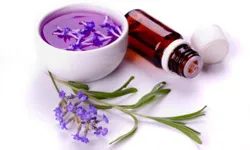
Lavender isn’t just for smell-good pillows. That purple flower has a scent that calms the nervous system, but its real power lies in topical applications. When you see it in a face wash, it’s working as a gentle antiseptic.
The name comes from the Latin lavare —to wash. Think about that. It was literally made for cleansing.
It reduces inflammation. If your skin is sensitive or irritated, look for this ingredient. It’s also useful for treating burns or managing psoriasis. Can’t find a lavender cleanser? Make your own. Add a few drops of lavender essential oil to a spray bottle of distilled water. Mist your face after washing. It’s that simple.
Calendula
If lavender is the calm, calendula is the healer. This bright yellow or orange flower has been used for centuries to soothe skin. It’s particularly effective for reducing redness and irritation.
Look for calendula in creams, ointments, and lotions. It helps accelerate healing. If you have eczema, dry patches, or minor cuts, calendula can speed up the recovery process. It’s gentle enough for babies, which says a lot about its safety profile.
Where can you find it? Check the aisles for baby products, eczema creams, or natural skincare lines. It’s often paired with other soothing ingredients like chamomile or aloe vera.
The key is consistency. One application won’t fix everything. But over time, calendula helps strengthen the skin barrier. It’s not a quick fix. It’s a long-term investment in your skin’s health.
Both lavender and calendula offer natural alternatives to harsh chemicals. They don’t strip your skin. They support it. In a world of aggressive exfoliants and strong acids, sometimes the best thing you can do is let your skin breathe.
“Nature often holds the gentlest solutions to our most persistent problems.”
Start small. Patch test new products. Introduce one new ingredient at a time. See how your skin reacts. Listen to what it tells you. Sometimes the most effective skincare routine is the least complicated.

Witch hazel
Don’t treat witch hazel like an old-fashioned astringent from your grandmother’s medicine cabinet. It’s a real asset to modern skin care, especially if you’re dealing with hormonal disruptions or the consequences of harsh exfoliation.
The real question is not if it works, but why is witch hazel so effective for sensitive, acne-prone skin. The answer lies in its tannins. These natural compounds have a gentle anti-inflammatory and mild antiseptic effect. They shrink pores without destroying the skin’s natural moisture barrier – which most alcohol-based toners cannot do.
But here things are difficult. Not all witch hazel is the same.
If you pick up a bottle that feels like rubbing alcohol, you’ve made a mistake. Many commercial brands add high concentrations of alcohol to extract the oil, which can cause redness and tightness on the skin and actually trigger more oil production. To get the benefits without the burns, you need to pay attention to the label.
How to choose the right witch hazel product :
– Look for “non-alcoholic” on the front.
– Beware of other soothing ingredients such as aloe vera or chamomile.
– Avoid products with added fragrances or essential oils if you have reactive skin.
How does it fit into your everyday life? Think of it as a calming tool. Apply after cleansing before your serum. It prepares the skin, reduces redness and closes the door to bacteria. It’s also surprisingly good for post-shave irritation or insect bites. A cotton pad dabbed with pure, alcohol-free witch hazel on the red area can shrink it overnight.
Is it a panacea? No. But in a market full of harsh acids and abrasive scrubs, it offers a gentle alternative that’s gentle on skin protection. This means less redness, fewer skin flare-ups, and a complexion that feels balanced rather than diminished.
The real secret? Consistency. Use it daily. Watch the calmness build. And remember: less is often more when it comes to your skin’s health.

Do you feel that tingling sensation? This is how witch hazel works. Distilled from the bark or leaves of the witch hazel bush, this liquid is an effective remedy for oily skin. It has a powerful astringent effect, removes excess sebum and leaves the skin tight and firm.
But it’s not just about drying out shine. Witch hazel is full of tannins, which are anti-inflammatory compounds. This means it can soothe burns, insect bites and other minor skin irritations. If the toner contains it, you can expect a cool, refreshing sensation. It’s instant relief in a bottle.
Neem Oil’s bacterial battle
Neem oil comes from the neem tree and has a natural ability to inhibit the growth of bacteria. This makes it a skin care essential for fighting acne. It is also used to treat dandruff, general inflammation and chronic conditions such as eczema and psoriasis.
In addition to its antibacterial effects, neem oil contains plenty of antioxidants. You get carotenoids and vitamin E, as well as fatty acids, which help the skin maintain its elasticity even as you age. Some users even report that it helps fade acne scars over time. It is a multi-tasker that fights both active breakouts and long-term skin health.
Feverfew
Feverfew is often overlooked, but it plays a special role in the treatment of inflammation. Traditionally, it is used to treat migraines and reduce swelling. In skin care, its anti-inflammatory properties can help soothe irritated skin, making it a potential ally for those with redness or sensitivity. Although less common in daily moisturizers than witch hazel or neem, it is found in specialty products for reactive skin. Its mechanism is to calm the immune response in the skin in the same way it works internally.

Feverfew: a close relative of the sunflower that resists flushing.
Although it belongs to the same plant family as sunflowers and chrysanthemums, there are clear disadvantages for sensitive skin. Its leaves are rich in parthenolide, a compound that can cause inflammation. For many people, this plant can be a contact allergen in its raw form.
But skin care manufacturers have found a solution. By processing the herb to remove these harsh compounds, feverfew PFE extract, or parthenolide-free extract, is produced. This improved version eliminates the risks and preserves the benefits.
The result is a component that actively calms inflammation. If you have acne redness, rosacea redness, or sunburn pain, this extract can help calm the reaction. It’s not just about hiding the symptoms. Reduces underlying inflammation.
In addition to its calming effects, this extract contains one of the highest concentrations of antioxidants in plants. This density is important. Protects against free radicals produced by cigarette smoke, UV rays and even car exhaust. The skin is protected from the harmful effects of the environment, which promote aging and damage.
There is one major exception to the use of this ingredient. If you are known to be allergic to ragweed or chamomile, avoid products containing feverfew. Cross-reactivity is real. Even if the parthenolide disappears, the immune system can still recognize markers from the plant family.
For others, it is a powerful tool. It has high antioxidant and anti-inflammatory properties and works quietly behind the scenes. The initial stinging is gone and the redness is reduced. Science backs it up. It is safe due to the extraction method. The only problem is to check your allergy history first.